
Art print Study of Christ for the painting The Pool of Siloam - Jan Cybis | Art print


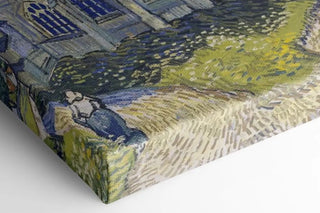
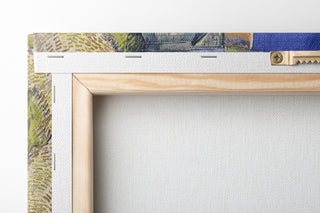
View from behind
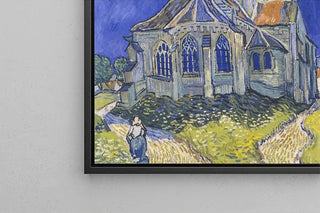
Frame (optional)
Jan Cybis's "Study of Christ for the painting The Pool of Siloam" is an invitation to immerse oneself in the spiritual and artistic universe of his era. This study, which precedes a major work, reveals not only the creative genius of the artist but also the intensity of the research that drives him. Through this representation, Cybis offers us a glimpse of the emotional depth and spirituality that characterize his work. The light, shadows, and expressions of Christ intertwine in a visual dance, capturing a moment of meditation and contemplation that transcends the simple act of painting. This art, both personal and universal, touches us at the heart, prompting us to question our own relationship with faith and art.
Style and uniqueness of the work
Cybis's work stands out for its unique approach to the religious subject. In this study, Christ is depicted with palpable humanity, far from the idealized representations often encountered in sacred art. The facial features, imbued with serenity and wisdom, testify to deep introspection. Cybis uses a subtle color palette that evokes both divine light and human fragility. The delicate shades of blue and gold create an almost ethereal atmosphere, while the carefully crafted contours give solidity to the figure, anchoring the divine in the tangible world. This duality between the celestial and the earthly is emblematic of Cybis's style, which seeks to establish a dialogue between art and spirituality, making his work both accessible and profoundly contemplative.
The artist and his influence
Jan Cybis, an emblematic figure of 20th-century Polish art, managed to mark his era with a bold artistic vision. Trained at the Academy of Fine Arts in Warsaw, he developed a style that merges tradition and modernity. His work is often associated with the Paris School, where he mingled with renowned artists, enriching his own visual language. Cybis established himself as a master of light and color, influencing
Art print Study of Christ for the painting The Pool of Siloam - Jan Cybis | Art print

-10% FROM €95 IN PURCHASES
-15% FROM €195 IN PURCHASES
Regular price
- Unit price
- per
Tax included.
Free shipping
€4.90 / Free shipping on orders over €39
Satisfied or Money Back
Free returns within 30 days
10-year warranty
Our prints are guaranteed for 10 years
Any questions? We are here!
by email to contact@artemlegrand.com
THE STEPS OF YOUR ORDER

STEP 1 - ORDER PLACED
Your order has been confirmed and we are starting production
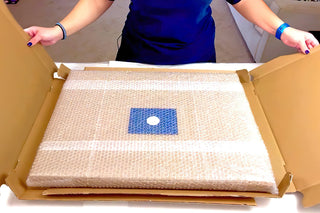
STEP 2 - SHIPPING
We ship your order. We send you an email to track the progress

STEP 3 - DELIVERY
You receive your order. You can also, according to your choice, be delivered to a relay point.
Matte finish
View from behind
Frame (optional)
Jan Cybis's "Study of Christ for the painting The Pool of Siloam" is an invitation to immerse oneself in the spiritual and artistic universe of his era. This study, which precedes a major work, reveals not only the creative genius of the artist but also the intensity of the research that drives him. Through this representation, Cybis offers us a glimpse of the emotional depth and spirituality that characterize his work. The light, shadows, and expressions of Christ intertwine in a visual dance, capturing a moment of meditation and contemplation that transcends the simple act of painting. This art, both personal and universal, touches us at the heart, prompting us to question our own relationship with faith and art.
Style and uniqueness of the work
Cybis's work stands out for its unique approach to the religious subject. In this study, Christ is depicted with palpable humanity, far from the idealized representations often encountered in sacred art. The facial features, imbued with serenity and wisdom, testify to deep introspection. Cybis uses a subtle color palette that evokes both divine light and human fragility. The delicate shades of blue and gold create an almost ethereal atmosphere, while the carefully crafted contours give solidity to the figure, anchoring the divine in the tangible world. This duality between the celestial and the earthly is emblematic of Cybis's style, which seeks to establish a dialogue between art and spirituality, making his work both accessible and profoundly contemplative.
The artist and his influence
Jan Cybis, an emblematic figure of 20th-century Polish art, managed to mark his era with a bold artistic vision. Trained at the Academy of Fine Arts in Warsaw, he developed a style that merges tradition and modernity. His work is often associated with the Paris School, where he mingled with renowned artists, enriching his own visual language. Cybis established himself as a master of light and color, influencing
12,34 €