
Art print Study for a self-portrait - Ludovit Pitthordt | Reproduction


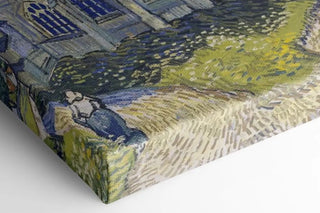
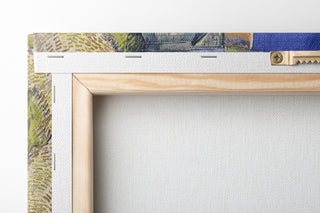
View from behind
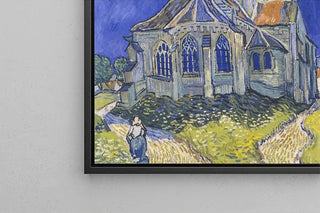
Frame (optional)
The artwork "Study for a Self-Portrait" by Ludovit Pitthordt is part of a rich artistic tradition, where introspection and self-exploration take shape through the lens of painting. This piece, distinguished by its psychological depth, invites the viewer to delve into the inner universe of the artist. The choice of subject, a self-portrait, is no coincidence; it reveals a quest for identity and understanding that transcends mere representation. Contemplating this work, one feels an intimate connection with the artist's spirit, an immersion into their thoughts and emotions, which materialize on the canvas.
Style and uniqueness of the work
Ludovit Pitthordt deploys a unique style that combines finesse and intensity. In "Study for a Self-Portrait," the facial features are rendered with remarkable precision, while maintaining a certain fluidity that evokes the complexity of the human soul. The shades of color chosen, subtly blended, create an atmosphere that is both contemplative and unsettling. Every brushstroke seems charged with meaning, each shadow and light contributing to the visual storytelling of the piece. The composition, although centered on the artist's face, extends beyond the frame, suggesting a broader story, a dialogue between the artist and their reflection, but also with the world around them. This interplay between introspection and externalization is what gives this work its truly singular character.
The artist and their influence
Ludovit Pitthordt, an emblematic figure of his time, managed to leave a mark on the art world with his innovative vision and bold approach to painting. Influenced by the artistic currents of his era, he nonetheless forged a style that is uniquely his own, blending tradition and modernity. His work reflects a period in full transformation, where artists seek to express deep emotions and reflections on human existence. Pitthordt, through his art prints, questions not only his own identity but also that of his contemporaries, thus opening the way to a reflection
Art print Study for a self-portrait - Ludovit Pitthordt | Reproduction

-10% FROM €95 IN PURCHASES
-15% FROM €195 IN PURCHASES
Regular price
- Unit price
- by
Free shipping
€4.90 / Free shipping on orders over €39
Satisfied or Money Back
Free returns within 30 days
10-year warranty
Our prints are guaranteed for 10 years
Any questions? We are here!
by email to contact@artemlegrand.com
THE STEPS OF YOUR ORDER
STEP 1 - ORDER PLACED
Your order has been confirmed and we are starting production
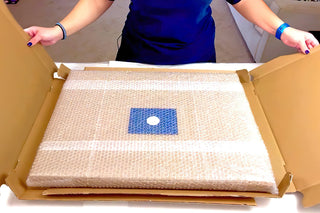
STEP 2 - SHIPPING
We ship your order. We send you an email to track the progress

STEP 3 - DELIVERY
You receive your order. You can also, according to your choice, be delivered to a relay point.
Matte finish
View from behind
Frame (optional)
The artwork "Study for a Self-Portrait" by Ludovit Pitthordt is part of a rich artistic tradition, where introspection and self-exploration take shape through the lens of painting. This piece, distinguished by its psychological depth, invites the viewer to delve into the inner universe of the artist. The choice of subject, a self-portrait, is no coincidence; it reveals a quest for identity and understanding that transcends mere representation. Contemplating this work, one feels an intimate connection with the artist's spirit, an immersion into their thoughts and emotions, which materialize on the canvas.
Style and uniqueness of the work
Ludovit Pitthordt deploys a unique style that combines finesse and intensity. In "Study for a Self-Portrait," the facial features are rendered with remarkable precision, while maintaining a certain fluidity that evokes the complexity of the human soul. The shades of color chosen, subtly blended, create an atmosphere that is both contemplative and unsettling. Every brushstroke seems charged with meaning, each shadow and light contributing to the visual storytelling of the piece. The composition, although centered on the artist's face, extends beyond the frame, suggesting a broader story, a dialogue between the artist and their reflection, but also with the world around them. This interplay between introspection and externalization is what gives this work its truly singular character.
The artist and their influence
Ludovit Pitthordt, an emblematic figure of his time, managed to leave a mark on the art world with his innovative vision and bold approach to painting. Influenced by the artistic currents of his era, he nonetheless forged a style that is uniquely his own, blending tradition and modernity. His work reflects a period in full transformation, where artists seek to express deep emotions and reflections on human existence. Pitthordt, through his art prints, questions not only his own identity but also that of his contemporaries, thus opening the way to a reflection