
Study for a mural painting for the New York Court of Appeals building. Helmet of justice for the figure of strength. - Kenyon Cox | Art print


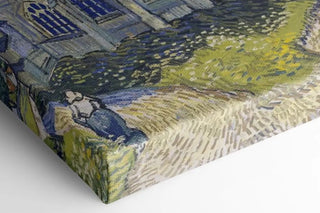
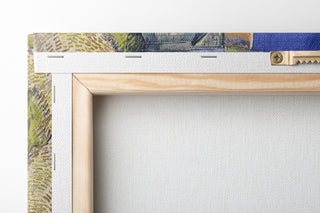
View from behind
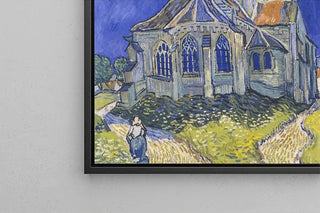
Frame (optional)
Art print Study for a mural for the New York Court of Appeals building. Justice helmet for the figure of strength. - Kenyon Cox – Captivating introduction
Kenyon Cox's work, titled "Study for a mural for the New York Court of Appeals building. Justice helmet for the figure of strength," embodies a fascinating encounter between art and law. This piece, distinguished by its narrative depth and visual engagement, invites viewers to reflect on the role of justice in society. As a preparatory study, it reveals Cox's artistic intentions while offering a glimpse into the major themes that run through his work. The choice of a justice helmet as a symbol of strength emphasizes the importance of judgment and integrity within the legal framework, while evoking a heroic dimension that transcends mere decoration.
Style and uniqueness of the work
Kenyon Cox's style, rooted in the American academic movement of the early 20th century, is characterized by impressive technical mastery and meticulous attention to detail. In this study, the composition is carefully balanced, with each element arranged with precision that demonstrates the artist's skill. The flowing lines and dynamic forms bring the central figure to life, while the use of light and shadow creates an atmosphere that is both solemn and inspiring. Cox manages to fuse classicism with contemporary elements, making his work accessible while maintaining historical depth. The depiction of the justice helmet, emblem of justice, is treated with delicacy that underscores its importance, while anchoring the work within a rich artistic tradition.
The artist and his influence
Kenyon Cox, an emblematic figure of American art, made his mark through contributions in both painting and illustration. Influenced by European masters, he developed a style that combines classical grandeur with modern themes. His training at the École des Beaux-Arts in Paris allowed him to assimilate techniques unique to him, while integrating elements of American culture. Cox also played a crucial role in promoting decorative arts in the United States, seeking to elevate art beyond mere
Study for a mural painting for the New York Court of Appeals building. Helmet of justice for the figure of strength. - Kenyon Cox | Art print

-10% FROM €95 IN PURCHASES
-15% FROM €195 IN PURCHASES
Regular price
- Unit price
- per
Tax included.
Free shipping
€4.90 / Free shipping on orders over €39
Satisfied or Money Back
Free returns within 30 days
10-year warranty
Our prints are guaranteed for 10 years
Any questions? We are here!
by email to contact@artemlegrand.com
THE STEPS OF YOUR ORDER

STEP 1 - ORDER PLACED
Your order has been confirmed and we are starting production
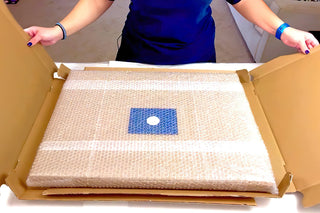
STEP 2 - SHIPPING
We ship your order. We send you an email to track the progress

STEP 3 - DELIVERY
You receive your order. You can also, according to your choice, be delivered to a relay point.
Matte finish
View from behind
Frame (optional)
Art print Study for a mural for the New York Court of Appeals building. Justice helmet for the figure of strength. - Kenyon Cox – Captivating introduction
Kenyon Cox's work, titled "Study for a mural for the New York Court of Appeals building. Justice helmet for the figure of strength," embodies a fascinating encounter between art and law. This piece, distinguished by its narrative depth and visual engagement, invites viewers to reflect on the role of justice in society. As a preparatory study, it reveals Cox's artistic intentions while offering a glimpse into the major themes that run through his work. The choice of a justice helmet as a symbol of strength emphasizes the importance of judgment and integrity within the legal framework, while evoking a heroic dimension that transcends mere decoration.
Style and uniqueness of the work
Kenyon Cox's style, rooted in the American academic movement of the early 20th century, is characterized by impressive technical mastery and meticulous attention to detail. In this study, the composition is carefully balanced, with each element arranged with precision that demonstrates the artist's skill. The flowing lines and dynamic forms bring the central figure to life, while the use of light and shadow creates an atmosphere that is both solemn and inspiring. Cox manages to fuse classicism with contemporary elements, making his work accessible while maintaining historical depth. The depiction of the justice helmet, emblem of justice, is treated with delicacy that underscores its importance, while anchoring the work within a rich artistic tradition.
The artist and his influence
Kenyon Cox, an emblematic figure of American art, made his mark through contributions in both painting and illustration. Influenced by European masters, he developed a style that combines classical grandeur with modern themes. His training at the École des Beaux-Arts in Paris allowed him to assimilate techniques unique to him, while integrating elements of American culture. Cox also played a crucial role in promoting decorative arts in the United States, seeking to elevate art beyond mere
12,34 €