
Art print of Still life with wood pigeon and powder horn - Guillaume Anne van der Brugghen


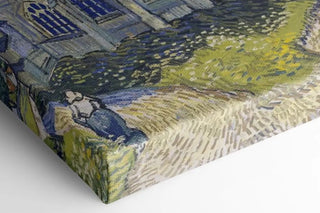
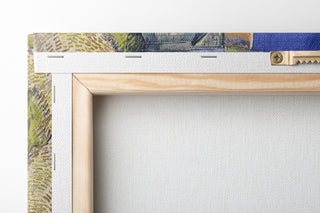
View from behind
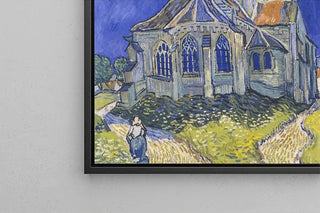
Frame (optional)
Art print Nature morte au pigeon ramier et à la corne à poudre - Guillaume Anne van der Brugghen – Captivating introduction
The still life, a pictorial genre often overlooked, finds in the work of Guillaume Anne van der Brugghen a fascinating expression rich in meanings. "Art print Nature morte au pigeon ramier et à la corne à poudre" is an emblematic piece that transcends the simple assembly of inanimate objects to offer a profound reflection on life, death, and the ephemeral beauty of nature. Through this work, the artist invites the viewer to contemplate not only the depicted elements but also the stories and emotions they evoke. The composition, carefully orchestrated, immediately draws the eye and engages the mind in a dance of colors and textures.
Style and uniqueness of the work
Van der Brugghen's style is distinguished by an exceptional mastery of light and shadow, which gives his works a striking depth. In "Art print Nature morte au pigeon ramier et à la corne à poudre," light plays a central role, illuminating the surfaces of objects with a delicacy reminiscent of the great masters of Baroque painting. The meticulous details, such as the feathers of the pigeon or the patina of the powder horn, demonstrate attentive observation of reality while incorporating a symbolic dimension. Each element of the composition, from fruits to weapons, evokes themes of hunting, nature, and vanity, creating an atmosphere that is both peaceful and unsettling. This duality is one of the most striking features of van der Brugghen's work, which manages to capture beauty while reminding us of the fragility of existence.
The artist and his influence
Guillaume Anne van der Brugghen, active in the early 17th century, is often considered one of the pioneers of the art print in Dutch art. His training under the influence of Caravaggio is evident in his realistic approach and his ability to play with luminous contrasts. Van der Brugghen successfully combined the Flemish tradition of still life with Italian sensibilities, creating a unique style that left its mark on his contemporaries. Although less well-known than some of his peers, his work has opened the
Art print of Still life with wood pigeon and powder horn - Guillaume Anne van der Brugghen

-10% FROM €95 IN PURCHASES
-15% FROM €195 IN PURCHASES
Regular price
- Unit price
- per
Tax included.
Free shipping
€4.90 / Free shipping on orders over €39
Satisfied or Money Back
Free returns within 30 days
10-year warranty
Our prints are guaranteed for 10 years
Any questions? We are here!
by email to contact@artemlegrand.com
THE STEPS OF YOUR ORDER
STEP 1 - ORDER PLACED
Your order has been confirmed and we are starting production
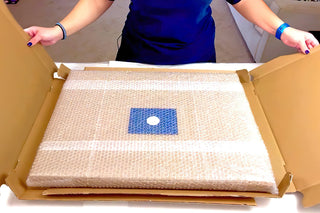
STEP 2 - SHIPPING
We ship your order. We send you an email to track the progress

STEP 3 - DELIVERY
You receive your order. You can also, according to your choice, be delivered to a relay point.
Matte finish
View from behind
Frame (optional)
Art print Nature morte au pigeon ramier et à la corne à poudre - Guillaume Anne van der Brugghen – Captivating introduction
The still life, a pictorial genre often overlooked, finds in the work of Guillaume Anne van der Brugghen a fascinating expression rich in meanings. "Art print Nature morte au pigeon ramier et à la corne à poudre" is an emblematic piece that transcends the simple assembly of inanimate objects to offer a profound reflection on life, death, and the ephemeral beauty of nature. Through this work, the artist invites the viewer to contemplate not only the depicted elements but also the stories and emotions they evoke. The composition, carefully orchestrated, immediately draws the eye and engages the mind in a dance of colors and textures.
Style and uniqueness of the work
Van der Brugghen's style is distinguished by an exceptional mastery of light and shadow, which gives his works a striking depth. In "Art print Nature morte au pigeon ramier et à la corne à poudre," light plays a central role, illuminating the surfaces of objects with a delicacy reminiscent of the great masters of Baroque painting. The meticulous details, such as the feathers of the pigeon or the patina of the powder horn, demonstrate attentive observation of reality while incorporating a symbolic dimension. Each element of the composition, from fruits to weapons, evokes themes of hunting, nature, and vanity, creating an atmosphere that is both peaceful and unsettling. This duality is one of the most striking features of van der Brugghen's work, which manages to capture beauty while reminding us of the fragility of existence.
The artist and his influence
Guillaume Anne van der Brugghen, active in the early 17th century, is often considered one of the pioneers of the art print in Dutch art. His training under the influence of Caravaggio is evident in his realistic approach and his ability to play with luminous contrasts. Van der Brugghen successfully combined the Flemish tradition of still life with Italian sensibilities, creating a unique style that left its mark on his contemporaries. Although less well-known than some of his peers, his work has opened the
12,34 €