
Art print Still life with violin - William Michael Harnett


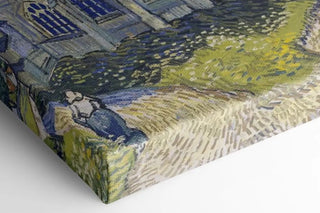
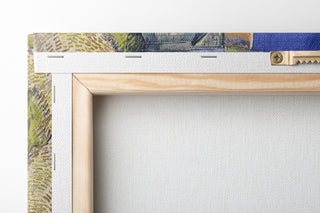
View from behind
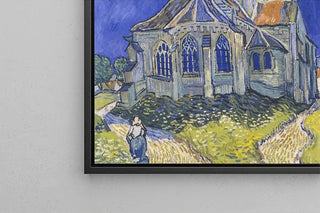
Frame (optional)
William Michael Harnett's still life with violin is an iconic artwork that transcends the simple frame of painting to offer a profound reflection on life, music, and the fleeting beauty of everyday objects. In this composition, Harnett manages to capture not only the materiality of the objects but also their essence, creating a dialogue between the visible and the invisible. Placing a violin at the center of the canvas, he evokes a silent melody, an invitation to the imagination where each viewer can hear the vibrant notes emanating from this instrument. This painting, with its richness of detail and striking realism, invites prolonged contemplation, paying homage to the art of still life while celebrating the virtuosity of the artist.
Style and uniqueness of the work
Harnett's style is distinguished by meticulous realism, mastery of shadows and lights that bring the depicted objects to life. In this still life, every reflection on the surface of the violin, every fold of the drapery, and every texture of the accessories are rendered with a precision that borders on hyperrealism. Harnett uses a palette of rich, warm colors that envelop the viewer in an atmosphere that is both intimate and melancholic. The composition is carefully orchestrated, each element arranged with a keen sense of balance and harmony. This painting does not merely depict inanimate objects; it tells a story, that of a frozen moment in time, where the beauty of simple things is highlighted. The still life with violin thus becomes a reflection on the fleeting nature of existence and the permanence of art.
The artist and his influence
William Michael Harnett, born in 1848 in Dublin before settling in the United States, is one of the pioneers of the trompe-l'œil movement. His work is part of an artistic tradition that aims to deceive the viewer's eye, making them believe that what they see is real. Harnett successfully established himself in the American art world by developing a unique style that blends European and American influences. His work has inspired many artists, notably in the
Art print Still life with violin - William Michael Harnett

-10% FROM €95 IN PURCHASES
-15% FROM €195 IN PURCHASES
Regular price
- Unit price
- per
Tax included.
Free shipping
€4.90 / Free shipping on orders over €39
Satisfied or Money Back
Free returns within 30 days
10-year warranty
Our prints are guaranteed for 10 years
Any questions? We are here!
by email to contact@artemlegrand.com
THE STEPS OF YOUR ORDER

STEP 1 - ORDER PLACED
Your order has been confirmed and we are starting production
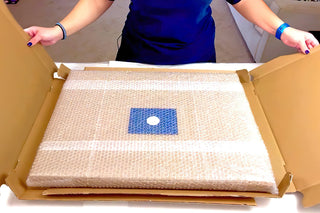
STEP 2 - SHIPPING
We ship your order. We send you an email to track the progress

STEP 3 - DELIVERY
You receive your order. You can also, according to your choice, be delivered to a relay point.
Matte finish
View from behind
Frame (optional)
William Michael Harnett's still life with violin is an iconic artwork that transcends the simple frame of painting to offer a profound reflection on life, music, and the fleeting beauty of everyday objects. In this composition, Harnett manages to capture not only the materiality of the objects but also their essence, creating a dialogue between the visible and the invisible. Placing a violin at the center of the canvas, he evokes a silent melody, an invitation to the imagination where each viewer can hear the vibrant notes emanating from this instrument. This painting, with its richness of detail and striking realism, invites prolonged contemplation, paying homage to the art of still life while celebrating the virtuosity of the artist.
Style and uniqueness of the work
Harnett's style is distinguished by meticulous realism, mastery of shadows and lights that bring the depicted objects to life. In this still life, every reflection on the surface of the violin, every fold of the drapery, and every texture of the accessories are rendered with a precision that borders on hyperrealism. Harnett uses a palette of rich, warm colors that envelop the viewer in an atmosphere that is both intimate and melancholic. The composition is carefully orchestrated, each element arranged with a keen sense of balance and harmony. This painting does not merely depict inanimate objects; it tells a story, that of a frozen moment in time, where the beauty of simple things is highlighted. The still life with violin thus becomes a reflection on the fleeting nature of existence and the permanence of art.
The artist and his influence
William Michael Harnett, born in 1848 in Dublin before settling in the United States, is one of the pioneers of the trompe-l'œil movement. His work is part of an artistic tradition that aims to deceive the viewer's eye, making them believe that what they see is real. Harnett successfully established himself in the American art world by developing a unique style that blends European and American influences. His work has inspired many artists, notably in the
12,34 €