
Art print of Still life with tulips, crocus, primroses, and other flowers in a vase on a stone pedestal with shells - Jan Baptist van Fornenburgh


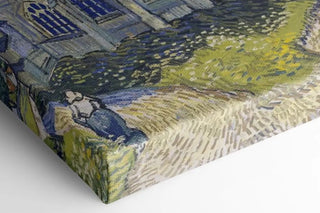
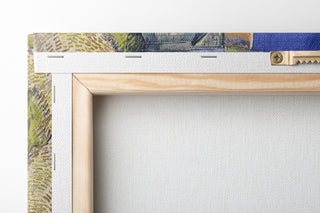
View from behind
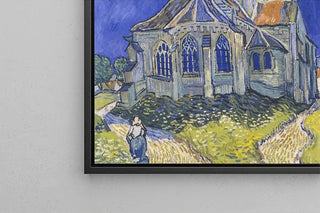
Frame (optional)
Nature morte with tulips, crocus, primroses, and other flowers in a vase on a stone pedestal with seashells - Jan Baptist van Fornenburgh – Captivating introduction
The still life, a pictorial genre often overlooked, finds in the work of Jan Baptist van Fornenburgh a vibrant and delicate expression. The art print of still life with tulips, crocus, primroses, and other flowers in a vase on a stone pedestal with seashells invites deep contemplation. This painting, rich in detail and color, evokes the ephemeral beauty of flora while celebrating the technical virtuosity of its creator. The flowers, carefully arranged, seem to bloom in a visual harmony that captures the eye and the mind. The peaceful atmosphere emanating from this piece transports the viewer to a universe where nature and art meet with grace.
Style and uniqueness of the work
Van Fornenburgh's work stands out for its striking realism and meticulous attention to detail. Each petal, each leaf is rendered with precision that reflects attentive observation of the natural world. The vibrant colors of the tulips and primroses, combined with the softer hues of the crocus, create a captivating visual contrast. The choice of flowers, symbols of beauty and fragility, reinforces the message of life's fleeting nature. The vase, placed on a stone pedestal, adds a sculptural dimension to the composition, while the delicately arranged seashells bring a touch of marine freshness. This combination of natural elements and decorative objects demonstrates a sophistication characteristic of the baroque style, while offering a unique perspective on the still life.
The artist and his influence
Jan Baptist van Fornenburgh, active in the 17th century, is often recognized for his contribution to the development of the still life genre in Flanders. His work is part of a rich artistic context, marked by diverse influences, ranging from the Flemish school to Italian trends. Van Fornenburgh skillfully integrated elements from these different traditions to create a style that is uniquely his own. His paintings, often populated with flowers and fruits, reveal a sensitivity to light and texture that continues to fascinate.
Art print of Still life with tulips, crocus, primroses, and other flowers in a vase on a stone pedestal with shells - Jan Baptist van Fornenburgh

-10% FROM €95 IN PURCHASES
-15% FROM €195 IN PURCHASES
Regular price
- Unit price
- per
Tax included.
Free shipping
€4.90 / Free shipping on orders over €39
Satisfied or Money Back
Free returns within 30 days
10-year warranty
Our prints are guaranteed for 10 years
Any questions? We are here!
by email to contact@artemlegrand.com
THE STEPS OF YOUR ORDER

STEP 1 - ORDER PLACED
Your order has been confirmed and we are starting production
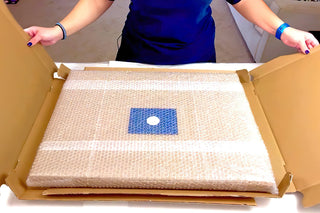
STEP 2 - SHIPPING
We ship your order. We send you an email to track the progress

STEP 3 - DELIVERY
You receive your order. You can also, according to your choice, be delivered to a relay point.
Matte finish
View from behind
Frame (optional)
Nature morte with tulips, crocus, primroses, and other flowers in a vase on a stone pedestal with seashells - Jan Baptist van Fornenburgh – Captivating introduction
The still life, a pictorial genre often overlooked, finds in the work of Jan Baptist van Fornenburgh a vibrant and delicate expression. The art print of still life with tulips, crocus, primroses, and other flowers in a vase on a stone pedestal with seashells invites deep contemplation. This painting, rich in detail and color, evokes the ephemeral beauty of flora while celebrating the technical virtuosity of its creator. The flowers, carefully arranged, seem to bloom in a visual harmony that captures the eye and the mind. The peaceful atmosphere emanating from this piece transports the viewer to a universe where nature and art meet with grace.
Style and uniqueness of the work
Van Fornenburgh's work stands out for its striking realism and meticulous attention to detail. Each petal, each leaf is rendered with precision that reflects attentive observation of the natural world. The vibrant colors of the tulips and primroses, combined with the softer hues of the crocus, create a captivating visual contrast. The choice of flowers, symbols of beauty and fragility, reinforces the message of life's fleeting nature. The vase, placed on a stone pedestal, adds a sculptural dimension to the composition, while the delicately arranged seashells bring a touch of marine freshness. This combination of natural elements and decorative objects demonstrates a sophistication characteristic of the baroque style, while offering a unique perspective on the still life.
The artist and his influence
Jan Baptist van Fornenburgh, active in the 17th century, is often recognized for his contribution to the development of the still life genre in Flanders. His work is part of a rich artistic context, marked by diverse influences, ranging from the Flemish school to Italian trends. Van Fornenburgh skillfully integrated elements from these different traditions to create a style that is uniquely his own. His paintings, often populated with flowers and fruits, reveal a sensitivity to light and texture that continues to fascinate.
12,34 €