
Art print Still life with salt - Pieter Claesz | Art print


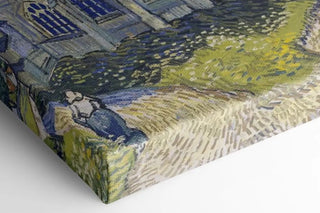
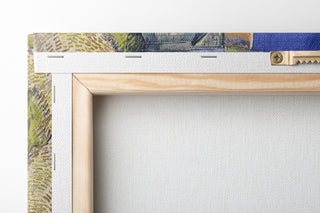
View from behind
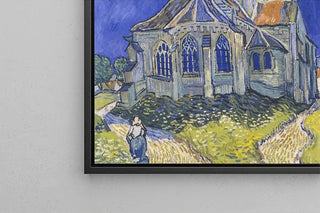
Frame (optional)
In the fascinating world of painting, some artworks transcend time and space, captivating viewers and awakening the senses. "Salt Still Life" by Pieter Claesz is one of those creations that, through its finesse and depth, invites prolonged contemplation. Created in the 17th century, this iconic work of the Dutch still life tradition not only demonstrates the artist's technical mastery but also offers a reflection on life's fleeting nature and the ephemeral beauty of everyday objects. By scrutinizing every detail of this composition, the viewer is drawn into a universe where the mundane transforms into the sublime.
Style and uniqueness of the work
Still life, as a genre, offers an infinite palette of expressions, but Claesz's approach stands out for its originality. The light, omnipresent in "Salt Still Life," plays a central role, illuminating the shiny surfaces of objects, from delicate glasses to salt reflections, creating a play of shadows and light that brings the canvas to life. Textures are rendered with such precision that one could almost feel the roughness of the salt or the softness of the cloth. The composition, carefully orchestrated, evokes a visual harmony that encourages exploration of its elements. Each object, whether a crystal decanter or a lemon, is chosen with care, reflecting a rich symbolism that evokes wealth, vanity, and mortality.
The artist and his influence
Pieter Claesz, a prominent figure of the 17th century, is often recognized as one of the masters of Dutch still life. His ability to capture light and play with textures marked an era when visual art became a mirror of societal concerns. Claesz does not merely depict objects; he tells a story through them, inviting the viewer to reflect on the passage of time and the value of things. His works have influenced many contemporary and later artists, inspiring a new generation to explore the subtleties of still life. Through his talent, Claesz established a dialogue between the visible and the invisible, between the tangible and the intangible.
Art print Still life with salt - Pieter Claesz | Art print

-10% FROM €95 IN PURCHASES
-15% FROM €195 IN PURCHASES
Regular price
- Unit price
- per
Tax included.
Free shipping
€4.90 / Free shipping on orders over €39
Satisfied or Money Back
Free returns within 30 days
10-year warranty
Our prints are guaranteed for 10 years
Any questions? We are here!
by email to contact@artemlegrand.com
THE STEPS OF YOUR ORDER

STEP 1 - ORDER PLACED
Your order has been confirmed and we are starting production
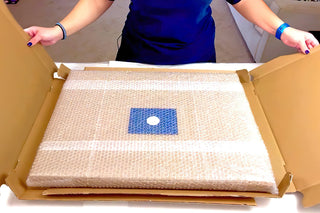
STEP 2 - SHIPPING
We ship your order. We send you an email to track the progress

STEP 3 - DELIVERY
You receive your order. You can also, according to your choice, be delivered to a relay point.
Matte finish
View from behind
Frame (optional)
In the fascinating world of painting, some artworks transcend time and space, captivating viewers and awakening the senses. "Salt Still Life" by Pieter Claesz is one of those creations that, through its finesse and depth, invites prolonged contemplation. Created in the 17th century, this iconic work of the Dutch still life tradition not only demonstrates the artist's technical mastery but also offers a reflection on life's fleeting nature and the ephemeral beauty of everyday objects. By scrutinizing every detail of this composition, the viewer is drawn into a universe where the mundane transforms into the sublime.
Style and uniqueness of the work
Still life, as a genre, offers an infinite palette of expressions, but Claesz's approach stands out for its originality. The light, omnipresent in "Salt Still Life," plays a central role, illuminating the shiny surfaces of objects, from delicate glasses to salt reflections, creating a play of shadows and light that brings the canvas to life. Textures are rendered with such precision that one could almost feel the roughness of the salt or the softness of the cloth. The composition, carefully orchestrated, evokes a visual harmony that encourages exploration of its elements. Each object, whether a crystal decanter or a lemon, is chosen with care, reflecting a rich symbolism that evokes wealth, vanity, and mortality.
The artist and his influence
Pieter Claesz, a prominent figure of the 17th century, is often recognized as one of the masters of Dutch still life. His ability to capture light and play with textures marked an era when visual art became a mirror of societal concerns. Claesz does not merely depict objects; he tells a story through them, inviting the viewer to reflect on the passage of time and the value of things. His works have influenced many contemporary and later artists, inspiring a new generation to explore the subtleties of still life. Through his talent, Claesz established a dialogue between the visible and the invisible, between the tangible and the intangible.
12,34 €