
Art print Still life with carnations - Georges-Daniel de Monfreid | Art print


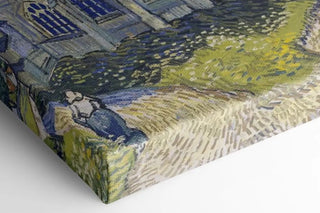
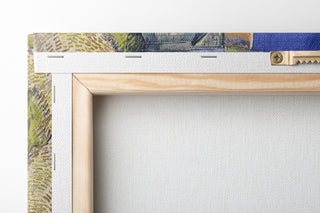
View from behind
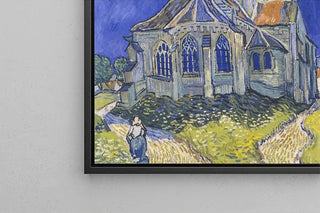
Frame (optional)
Reproduction of Nature morte aux girofles by Georges-Daniel de Monfreid – Captivating introduction
The still life, a genre often underestimated, finds in Georges-Daniel de Monfreid's work a delicate yet powerful expression. "Nature morte aux girofles" invites you to immerse yourself in a sensory universe where the beauty of objects blends with an atmosphere of contemplation. Monfreid, through this composition, manages to capture the ephemeral and immortalize moments of life, transforming ordinary elements into symbols of beauty and the fragility of existence. This artwork, with its refined aesthetic, awakens an insatiable curiosity about the world around us and reminds us of the importance of contemplation.
Style and uniqueness of the work
Monfreid's mastery of light and color is remarkable. In "Nature morte aux girofles", shades of red and green respond to each other, creating a striking contrast that draws the eye. The cloves, delicate and fragrant flowers, are placed at the heart of the composition, surrounded by carefully chosen objects that tell a story. Each element, whether a cup, a book, or a piece of fabric, is arranged with precision that reflects the artist's attention to detail. The texture of the materials is rendered with such finesse that one could almost feel the velvety petals or the roughness of a surface. This style, both realistic and poetic, makes this work a true tableau of life, a tribute to the beauty of simple things.
The artist and his influence
Georges-Daniel de Monfreid, an emblematic figure of the early 20th century, established himself in the art world thanks to his unique approach and innate sense of aesthetics. Raised in an artistic environment, he was influenced by the great masters of painting but developed a style that is entirely his own. Monfreid, as an artist, was also a fervent supporter of Impressionism, incorporating elements of this movement into his works while distancing himself from established conventions. His work has inspired many contemporary artists, who see in him a
Art print Still life with carnations - Georges-Daniel de Monfreid | Art print

-10% FROM €95 IN PURCHASES
-15% FROM €195 IN PURCHASES
Regular price
- Unit price
- per
Tax included.
Free shipping
€4.90 / Free shipping on orders over €39
Satisfied or Money Back
Free returns within 30 days
10-year warranty
Our prints are guaranteed for 10 years
Any questions? We are here!
by email to contact@artemlegrand.com
THE STEPS OF YOUR ORDER

STEP 1 - ORDER PLACED
Your order has been confirmed and we are starting production
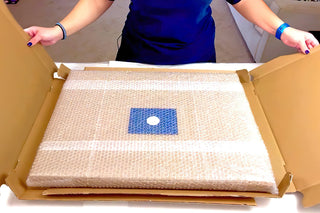
STEP 2 - SHIPPING
We ship your order. We send you an email to track the progress

STEP 3 - DELIVERY
You receive your order. You can also, according to your choice, be delivered to a relay point.
Matte finish
View from behind
Frame (optional)
Reproduction of Nature morte aux girofles by Georges-Daniel de Monfreid – Captivating introduction
The still life, a genre often underestimated, finds in Georges-Daniel de Monfreid's work a delicate yet powerful expression. "Nature morte aux girofles" invites you to immerse yourself in a sensory universe where the beauty of objects blends with an atmosphere of contemplation. Monfreid, through this composition, manages to capture the ephemeral and immortalize moments of life, transforming ordinary elements into symbols of beauty and the fragility of existence. This artwork, with its refined aesthetic, awakens an insatiable curiosity about the world around us and reminds us of the importance of contemplation.
Style and uniqueness of the work
Monfreid's mastery of light and color is remarkable. In "Nature morte aux girofles", shades of red and green respond to each other, creating a striking contrast that draws the eye. The cloves, delicate and fragrant flowers, are placed at the heart of the composition, surrounded by carefully chosen objects that tell a story. Each element, whether a cup, a book, or a piece of fabric, is arranged with precision that reflects the artist's attention to detail. The texture of the materials is rendered with such finesse that one could almost feel the velvety petals or the roughness of a surface. This style, both realistic and poetic, makes this work a true tableau of life, a tribute to the beauty of simple things.
The artist and his influence
Georges-Daniel de Monfreid, an emblematic figure of the early 20th century, established himself in the art world thanks to his unique approach and innate sense of aesthetics. Raised in an artistic environment, he was influenced by the great masters of painting but developed a style that is entirely his own. Monfreid, as an artist, was also a fervent supporter of Impressionism, incorporating elements of this movement into his works while distancing himself from established conventions. His work has inspired many contemporary artists, who see in him a
12,34 €