
Fruit Still Life Painting - Jan de Bruyn | Art print Source: Tableau Nature morte aux fruits - Jan de Bruyn | Reproduction


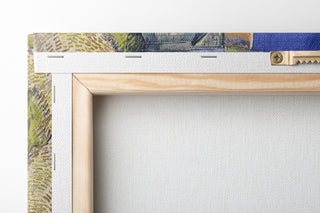
View from behind
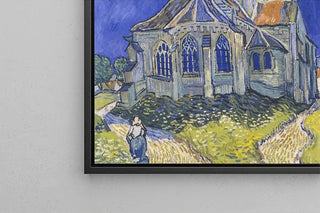
Frame (optional)
Nature morte with fruits - Jan de Bruyn – Captivating introduction
The still life, a pictorial genre that is both simple and complex, finds in Jan de Bruyn's work a refined and delicate expression. "Nature morte aux fruits" presents itself as a painting where each element, each color, each shadow seems to have been chosen with care to evoke not only the beauty of the depicted objects but also an atmosphere of serenity and contemplation. In this work, the viewer is invited to immerse themselves in a world where fruits, symbols of life and fertility, blend with nuances of light and texture, creating a dialogue between nature and art.
Style and uniqueness of the work
Jan de Bruyn's style is characterized by an exceptional mastery of light and shadow, as well as meticulous attention to detail. In "Nature morte aux fruits," each element is rendered with remarkable precision, from the shimmering reflections on the fruit skins to the delicate imperfections that bring them to life. The artist skillfully plays with contrasts, using vivid colors for the fruits while placing them on darker backgrounds that enhance their brilliance. This painting does not merely depict inanimate objects; it tells a story, that of a frozen moment in time, where the ephemeral beauty of nature is celebrated. The composition is carefully balanced, each fruit occupying its place with natural grace, demonstrating Bruyn's craftsmanship and sensitivity.
The artist and his influence
Jan de Bruyn, though less known than some of his contemporaries, managed to leave his mark on his era with his unique approach to still life. Active in the 17th century, he captured the very essence of daily life through his works, making each painting a reflection of the customs and values of his time. His influence is felt not only in Dutch painting but also in the way subsequent artists approached the genre of still life. By emphasizing the beauty of ordinary objects, Bruyn paved the way for a deeper appreciation of everyday life, transforming simple elements into true works of art. His ability to convey emotions through the representation of nature testifies to his talent
Fruit Still Life Painting - Jan de Bruyn | Art print Source: Tableau Nature morte aux fruits - Jan de Bruyn | Reproduction

-10% FROM €95 IN PURCHASES
-15% FROM €195 IN PURCHASES
Regular price
- Unit price
- per
Tax included.
Free shipping
€4.90 / Free shipping on orders over €39
Satisfied or Money Back
Free returns within 30 days
10-year warranty
Our prints are guaranteed for 10 years
Any questions? We are here!
by email to contact@artemlegrand.com
THE STEPS OF YOUR ORDER
STEP 1 - ORDER PLACED
Your order has been confirmed and we are starting production
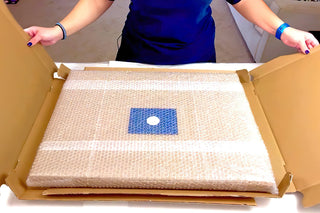
STEP 2 - SHIPPING
We ship your order. We send you an email to track the progress

STEP 3 - DELIVERY
You receive your order. You can also, according to your choice, be delivered to a relay point.
Matte finish
View from behind
Frame (optional)
Nature morte with fruits - Jan de Bruyn – Captivating introduction
The still life, a pictorial genre that is both simple and complex, finds in Jan de Bruyn's work a refined and delicate expression. "Nature morte aux fruits" presents itself as a painting where each element, each color, each shadow seems to have been chosen with care to evoke not only the beauty of the depicted objects but also an atmosphere of serenity and contemplation. In this work, the viewer is invited to immerse themselves in a world where fruits, symbols of life and fertility, blend with nuances of light and texture, creating a dialogue between nature and art.
Style and uniqueness of the work
Jan de Bruyn's style is characterized by an exceptional mastery of light and shadow, as well as meticulous attention to detail. In "Nature morte aux fruits," each element is rendered with remarkable precision, from the shimmering reflections on the fruit skins to the delicate imperfections that bring them to life. The artist skillfully plays with contrasts, using vivid colors for the fruits while placing them on darker backgrounds that enhance their brilliance. This painting does not merely depict inanimate objects; it tells a story, that of a frozen moment in time, where the ephemeral beauty of nature is celebrated. The composition is carefully balanced, each fruit occupying its place with natural grace, demonstrating Bruyn's craftsmanship and sensitivity.
The artist and his influence
Jan de Bruyn, though less known than some of his contemporaries, managed to leave his mark on his era with his unique approach to still life. Active in the 17th century, he captured the very essence of daily life through his works, making each painting a reflection of the customs and values of his time. His influence is felt not only in Dutch painting but also in the way subsequent artists approached the genre of still life. By emphasizing the beauty of ordinary objects, Bruyn paved the way for a deeper appreciation of everyday life, transforming simple elements into true works of art. His ability to convey emotions through the representation of nature testifies to his talent
12,34 €