
Art print of Still life with dead poultry - Johann Heinrich Roos


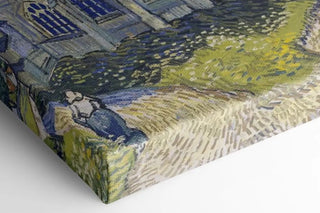
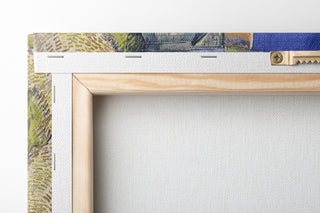
View from behind
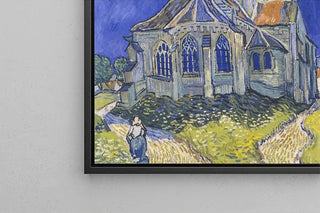
Frame (optional)
In the captivating world of still life painting, Johann Heinrich Roos's artwork "Still Life with Dead Poultry" stands out for its depth and striking atmosphere. This canvas, which evokes the richness of 17th-century still lifes, immerses us in a world where the beauty of everyday objects blends with profound symbolism. The depiction of a dead poultry, carefully arranged among fruits and utensils, demonstrates exceptional craftsmanship and rare artistic sensitivity. Through this piece, Roos invites us to contemplate not only the fragility of life but also the richness of textures and colors that compose our environment.
Style and uniqueness of the artwork
Johann Heinrich Roos's style is characterized by meticulous attention to detail and an undisputed mastery of light. In "Still Life with Dead Poultry," each element seems alive, with every shadow and reflection contributing to creating an atmosphere that is both realistic and poetic. The color palette, subtly chosen, oscillates between warm tones and darker shades, emphasizing the contrast between the softness of the fruits and the hardness of the poultry. This duality is reinforced by the skillfully orchestrated composition, where objects are arranged to guide the viewer's gaze across the canvas. Roos manages to capture the very essence of still life, making each element a full-fledged protagonist while maintaining an overall harmony that delights the observer.
The artist and his influence
Johann Heinrich Roos, born in Germany in the 17th century, established himself as one of the masters of still life. His artistic journey, marked by Dutch influences, led him to develop a distinctive style that combines realism and sensitivity. Roos drew inspiration from the great masters of his time while adding a personal touch to his works. His innovative approach to light and color influenced many artists of his era and subsequent generations. By exploring themes such as ephemeral life and the beauty of everyday objects, Roos contributed to elevating the art of still life to a major art form, paving the way for a lasting appreciation.
Art print of Still life with dead poultry - Johann Heinrich Roos

-10% FROM €95 IN PURCHASES
-15% FROM €195 IN PURCHASES
Regular price
- Unit price
- per
Tax included.
Free shipping
€4.90 / Free shipping on orders over €39
Satisfied or Money Back
Free returns within 30 days
10-year warranty
Our prints are guaranteed for 10 years
Any questions? We are here!
by email to contact@artemlegrand.com
THE STEPS OF YOUR ORDER
STEP 1 - ORDER PLACED
Your order has been confirmed and we are starting production
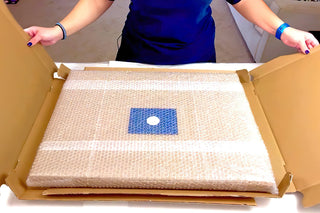
STEP 2 - SHIPPING
We ship your order. We send you an email to track the progress

STEP 3 - DELIVERY
You receive your order. You can also, according to your choice, be delivered to a relay point.
Matte finish
View from behind
Frame (optional)
In the captivating world of still life painting, Johann Heinrich Roos's artwork "Still Life with Dead Poultry" stands out for its depth and striking atmosphere. This canvas, which evokes the richness of 17th-century still lifes, immerses us in a world where the beauty of everyday objects blends with profound symbolism. The depiction of a dead poultry, carefully arranged among fruits and utensils, demonstrates exceptional craftsmanship and rare artistic sensitivity. Through this piece, Roos invites us to contemplate not only the fragility of life but also the richness of textures and colors that compose our environment.
Style and uniqueness of the artwork
Johann Heinrich Roos's style is characterized by meticulous attention to detail and an undisputed mastery of light. In "Still Life with Dead Poultry," each element seems alive, with every shadow and reflection contributing to creating an atmosphere that is both realistic and poetic. The color palette, subtly chosen, oscillates between warm tones and darker shades, emphasizing the contrast between the softness of the fruits and the hardness of the poultry. This duality is reinforced by the skillfully orchestrated composition, where objects are arranged to guide the viewer's gaze across the canvas. Roos manages to capture the very essence of still life, making each element a full-fledged protagonist while maintaining an overall harmony that delights the observer.
The artist and his influence
Johann Heinrich Roos, born in Germany in the 17th century, established himself as one of the masters of still life. His artistic journey, marked by Dutch influences, led him to develop a distinctive style that combines realism and sensitivity. Roos drew inspiration from the great masters of his time while adding a personal touch to his works. His innovative approach to light and color influenced many artists of his era and subsequent generations. By exploring themes such as ephemeral life and the beauty of everyday objects, Roos contributed to elevating the art of still life to a major art form, paving the way for a lasting appreciation.
12,34 €