
Art print Nature morte aux aiguières et à la grenade - Willem Kalf | Art print


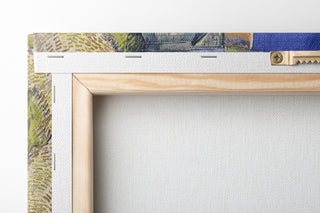
View from behind
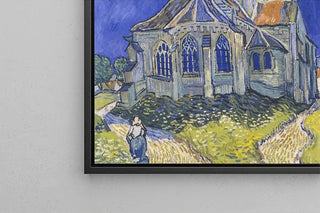
Frame (optional)
Nature morte with ewers and pomegranate - Willem Kalf – Captivating Introduction
In the fascinating world of Baroque painting, Willem Kalf's "Nature morte with ewers and pomegranate" stands out for its visual richness and profound symbolism. This composition, created in the 17th century, invites viewers to immerse themselves in a world where each carefully arranged object tells a story. The brilliantly polished ewers, the vibrant pomegranate, and the delicate textures of the fabrics evoke refined luxury, while highlighting the artist's exceptional craftsmanship. Through this work, Kalf does not merely depict inanimate objects; he manages to breathe vibrant life into these elements, captivating the eye and mind of those who linger on it.
Style and uniqueness of the work
Willem Kalf's style is characterized by striking realism, typical of Flemish painting of his era. In "Nature morte with ewers and pomegranate," mastery of light and shadow is particularly remarkable. The reflections on the metallic surfaces of the ewers reveal a masterful chiaroscuro technique, while the rich colors and meticulous details of the textures create an atmosphere that is both intimate and opulent. Every element, from glass to silk, is treated with extreme care, demonstrating Kalf's obsession with precision and beauty. Moreover, the composition is skillfully orchestrated, with each object occupying a thoughtful position that guides the viewer's gaze through the work, revealing a harmonious balance among the different elements.
The artist and his influence
Willem Kalf, born in Rotterdam in 1619, is one of the undisputed masters of the still life genre. His work is deeply influenced by Flemish traditions, but he manages to infuse it with a personal touch that sets him apart from his contemporaries. Kalf captured the essence of his time, reflecting through his paintings the aspirations and values of a society in full transformation. By incorporating luxury objects and references to material wealth, he offers a reflection on vanity and the fleeting nature of life. His influence extends beyond
Art print Nature morte aux aiguières et à la grenade - Willem Kalf | Art print

-10% FROM €95 IN PURCHASES
-15% FROM €195 IN PURCHASES
Regular price
- Unit price
- per
Tax included.
Free shipping
€4.90 / Free shipping on orders over €39
Satisfied or Money Back
Free returns within 30 days
10-year warranty
Our prints are guaranteed for 10 years
Any questions? We are here!
by email to contact@artemlegrand.com
THE STEPS OF YOUR ORDER

STEP 1 - ORDER PLACED
Your order has been confirmed and we are starting production
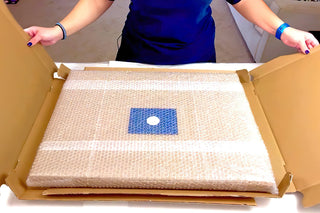
STEP 2 - SHIPPING
We ship your order. We send you an email to track the progress

STEP 3 - DELIVERY
You receive your order. You can also, according to your choice, be delivered to a relay point.
Matte finish
View from behind
Frame (optional)
Nature morte with ewers and pomegranate - Willem Kalf – Captivating Introduction
In the fascinating world of Baroque painting, Willem Kalf's "Nature morte with ewers and pomegranate" stands out for its visual richness and profound symbolism. This composition, created in the 17th century, invites viewers to immerse themselves in a world where each carefully arranged object tells a story. The brilliantly polished ewers, the vibrant pomegranate, and the delicate textures of the fabrics evoke refined luxury, while highlighting the artist's exceptional craftsmanship. Through this work, Kalf does not merely depict inanimate objects; he manages to breathe vibrant life into these elements, captivating the eye and mind of those who linger on it.
Style and uniqueness of the work
Willem Kalf's style is characterized by striking realism, typical of Flemish painting of his era. In "Nature morte with ewers and pomegranate," mastery of light and shadow is particularly remarkable. The reflections on the metallic surfaces of the ewers reveal a masterful chiaroscuro technique, while the rich colors and meticulous details of the textures create an atmosphere that is both intimate and opulent. Every element, from glass to silk, is treated with extreme care, demonstrating Kalf's obsession with precision and beauty. Moreover, the composition is skillfully orchestrated, with each object occupying a thoughtful position that guides the viewer's gaze through the work, revealing a harmonious balance among the different elements.
The artist and his influence
Willem Kalf, born in Rotterdam in 1619, is one of the undisputed masters of the still life genre. His work is deeply influenced by Flemish traditions, but he manages to infuse it with a personal touch that sets him apart from his contemporaries. Kalf captured the essence of his time, reflecting through his paintings the aspirations and values of a society in full transformation. By incorporating luxury objects and references to material wealth, he offers a reflection on vanity and the fleeting nature of life. His influence extends beyond
12,34 €