
Art print Still life (conflict of case) - Samuel John Peploe | Art print


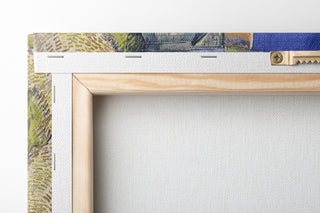
View from behind
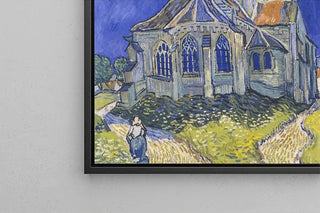
Frame (optional)
In the rich and captivating world of art, some works manage to capture the very essence of life through meticulously orchestrated compositions. "Nature morte (conflit de cas)" by Samuel John Peploe is one of those creations that invites deep contemplation. This painting, emblematic of the Scottish Colourists movement, stands out for its skill in marrying the simplicity of everyday objects with a vibrant and bold palette. By immersing oneself in this piece, one discovers not only a visual representation but also a reflection on the human condition and the fleeting beauty of things.
Style and uniqueness of the work
Peploe's style is both recognizable and unique, characterized by bold color blocks and carefully studied lighting. In "Nature morte (conflit de cas)", the artist plays with shapes and shadows, creating a dynamic between objects that seem almost alive. The fruits, flowers, and everyday items are arranged with a delicacy that evokes subtle harmony. Each element is carefully chosen, and their arrangement suggests a silent narrative, as if each object bears a secret to reveal. Peploe's technique, blending realism with an almost impressionist approach, allows viewers to feel an intimate connection with the scene, as if invited to share a suspended moment in time.
The artist and his influence
Samuel John Peploe, a major figure of the Glasgow School, knew how to mark his era with his innovative approach to painting. Influenced by the masters of the past while forging his own style, Peploe contributed to redefining the art of still life in the early 20th century. His ability to capture light and color inspired many artists, and his work continues to influence subsequent generations. By incorporating elements of Scottish culture and exploring universal themes, Peploe transcended the boundaries of his time. His work is a living testament to artistic evolution, and "Nature morte (conflit de cas)" is a shining example, demonstrating
Art print Still life (conflict of case) - Samuel John Peploe | Art print

-10% FROM €95 IN PURCHASES
-15% FROM €195 IN PURCHASES
Regular price
- Unit price
- per
Tax included.
Free shipping
€4.90 / Free shipping on orders over €39
Satisfied or Money Back
Free returns within 30 days
10-year warranty
Our prints are guaranteed for 10 years
Any questions? We are here!
by email to contact@artemlegrand.com
THE STEPS OF YOUR ORDER

STEP 1 - ORDER PLACED
Your order has been confirmed and we are starting production
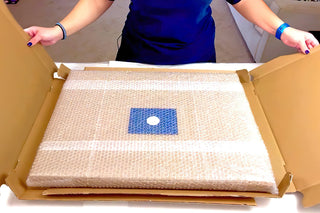
STEP 2 - SHIPPING
We ship your order. We send you an email to track the progress

STEP 3 - DELIVERY
You receive your order. You can also, according to your choice, be delivered to a relay point.
Matte finish
View from behind
Frame (optional)
In the rich and captivating world of art, some works manage to capture the very essence of life through meticulously orchestrated compositions. "Nature morte (conflit de cas)" by Samuel John Peploe is one of those creations that invites deep contemplation. This painting, emblematic of the Scottish Colourists movement, stands out for its skill in marrying the simplicity of everyday objects with a vibrant and bold palette. By immersing oneself in this piece, one discovers not only a visual representation but also a reflection on the human condition and the fleeting beauty of things.
Style and uniqueness of the work
Peploe's style is both recognizable and unique, characterized by bold color blocks and carefully studied lighting. In "Nature morte (conflit de cas)", the artist plays with shapes and shadows, creating a dynamic between objects that seem almost alive. The fruits, flowers, and everyday items are arranged with a delicacy that evokes subtle harmony. Each element is carefully chosen, and their arrangement suggests a silent narrative, as if each object bears a secret to reveal. Peploe's technique, blending realism with an almost impressionist approach, allows viewers to feel an intimate connection with the scene, as if invited to share a suspended moment in time.
The artist and his influence
Samuel John Peploe, a major figure of the Glasgow School, knew how to mark his era with his innovative approach to painting. Influenced by the masters of the past while forging his own style, Peploe contributed to redefining the art of still life in the early 20th century. His ability to capture light and color inspired many artists, and his work continues to influence subsequent generations. By incorporating elements of Scottish culture and exploring universal themes, Peploe transcended the boundaries of his time. His work is a living testament to artistic evolution, and "Nature morte (conflit de cas)" is a shining example, demonstrating
12,34 €