
Painting St Jacques Dieppe - Walter Richard Sickert | Art print


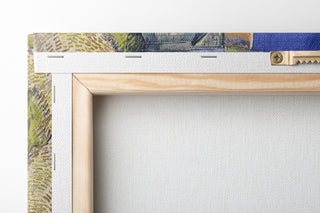
View from behind
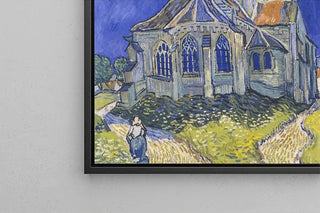
Frame (optional)
Art print St Jacques Dieppe - Walter Richard Sickert – Engaging introduction
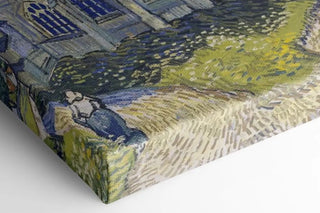
In the vibrant world of art, some works manage to capture the essence of a place and a time with such intensity that they transcend the simple frame of the canvas. "St Jacques Dieppe" by Walter Richard Sickert is one of these creations. This painting, which evokes the beauty of the port city of Dieppe, transports us into a universe where light and atmosphere blend to create an unforgettable visual experience. Sickert, as a prominent figure of the Impressionist movement, succeeds in establishing a dialogue between the viewer and the landscape, inviting each to explore the nuances of everyday life through his unique perspective.
Style and uniqueness of the work
Sickert's style is characterized by a bold and innovative approach. In "St Jacques Dieppe," he uses a color palette that evokes both softness and melancholy, hues that seem to vibrate under the brush. The artist skillfully plays with light, creating shadows that add depth and texture to the scene. The composition, meanwhile, reveals a mastery of space and lines, where each element finds its place in harmonious balance. The details, whether architectural or natural, are treated with precision that reflects Sickert's meticulous observation, while also revealing a certain spontaneity, characteristic of Impressionism. This work does not merely depict a place; it captures its soul, allowing the viewer to feel the salty air and the whisper of the waves.
The artist and his influence
Walter Richard Sickert, born in 1860, is often regarded as one of the pioneers of the modern movement in painting. His artistic journey led him to explore various styles and techniques, but it is his attachment to everyday life and genre scenes that sets him apart. Influenced by the masters of Impressionism, Sickert developed a distinctive visual language, imbued with his personal sensitivity. His work was also marked by travels across Europe, notably in Paris, where he mingled with artists such as Degas and Monet. This immersion in the art world
Painting St Jacques Dieppe - Walter Richard Sickert | Art print

-10% FROM €95 IN PURCHASES
-15% FROM €195 IN PURCHASES
Regular price
- Unit price
- per
Tax included.
Free shipping
€4.90 / Free shipping on orders over €39
Satisfied or Money Back
Free returns within 30 days
10-year warranty
Our prints are guaranteed for 10 years
Any questions? We are here!
by email to contact@artemlegrand.com
THE STEPS OF YOUR ORDER

STEP 1 - ORDER PLACED
Your order has been confirmed and we are starting production
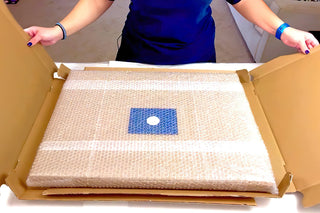
STEP 2 - SHIPPING
We ship your order. We send you an email to track the progress

STEP 3 - DELIVERY
You receive your order. You can also, according to your choice, be delivered to a relay point.
Matte finish
View from behind
Frame (optional)
Art print St Jacques Dieppe - Walter Richard Sickert – Engaging introduction
In the vibrant world of art, some works manage to capture the essence of a place and a time with such intensity that they transcend the simple frame of the canvas. "St Jacques Dieppe" by Walter Richard Sickert is one of these creations. This painting, which evokes the beauty of the port city of Dieppe, transports us into a universe where light and atmosphere blend to create an unforgettable visual experience. Sickert, as a prominent figure of the Impressionist movement, succeeds in establishing a dialogue between the viewer and the landscape, inviting each to explore the nuances of everyday life through his unique perspective.
Style and uniqueness of the work
Sickert's style is characterized by a bold and innovative approach. In "St Jacques Dieppe," he uses a color palette that evokes both softness and melancholy, hues that seem to vibrate under the brush. The artist skillfully plays with light, creating shadows that add depth and texture to the scene. The composition, meanwhile, reveals a mastery of space and lines, where each element finds its place in harmonious balance. The details, whether architectural or natural, are treated with precision that reflects Sickert's meticulous observation, while also revealing a certain spontaneity, characteristic of Impressionism. This work does not merely depict a place; it captures its soul, allowing the viewer to feel the salty air and the whisper of the waves.
The artist and his influence
Walter Richard Sickert, born in 1860, is often regarded as one of the pioneers of the modern movement in painting. His artistic journey led him to explore various styles and techniques, but it is his attachment to everyday life and genre scenes that sets him apart. Influenced by the masters of Impressionism, Sickert developed a distinctive visual language, imbued with his personal sensitivity. His work was also marked by travels across Europe, notably in Paris, where he mingled with artists such as Degas and Monet. This immersion in the art world
12,34 €