
Painting L'enfant malade - Joseph Beaume | Art print


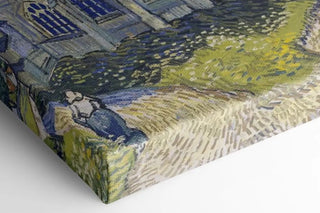
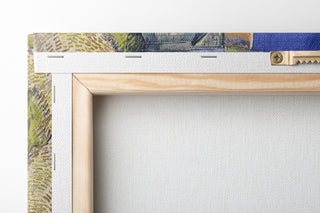
View from behind
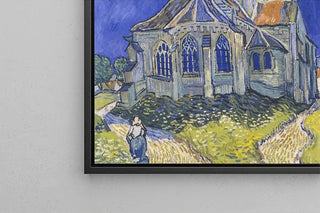
Frame (optional)
At the heart of the 19th century, a remarkable work emerges, capturing the essence of suffering and innocence. "L'enfant malade" by Joseph Beaume stands as a poignant art print, evoking deep and universal emotions. This creation, both intimate and universal, immerses us in a universe where childhood pain blends with touching beauty. Beaume, with his mastery of the brush, succeeds in immortalizing a moment of vulnerability, making this instant both personal and accessible. The art print L'enfant malade - Joseph Beaume allows for a renewed appreciation of this masterpiece, offering a window into the subtleties of the human soul.
Style and uniqueness of the work
Beaume's style is distinguished by a realistic approach, where every detail is carefully considered to convey a powerful emotional message. Light plays a crucial role in this work, creating striking contrasts between shadowed and illuminated areas. This use of light emphasizes the fragility of the child, while the colors, chosen with care, evoke an atmosphere that is both gentle and melancholic. The expressions of the characters, especially that of the child, reveal rare psychological depth, demonstrating Beaume's ability to capture the complexity of human feelings. Thus, "L'enfant malade" is not limited to a simple representation but becomes a true tableau of the human condition, inviting the viewer to feel and reflect.
The artist and his influence
Joseph Beaume, a renowned artist, made his mark on his era through his innovative approach to painting. Trained in academic traditions, he quickly developed a style unique to him, integrating elements of realism while drawing inspiration from the great masters of the past. His work reflects a particular sensitivity towards the subjects he chooses, often centered on the human condition. Beaume was influenced by the social and political upheavals of his time, which is reflected in his art. By addressing themes such as illness and suffering, he opens a dialogue on universal questions, making his work timeless. His impact on the 19th-century art scene is undeniable, and his
Painting L'enfant malade - Joseph Beaume | Art print

-10% FROM €95 IN PURCHASES
-15% FROM €195 IN PURCHASES
Regular price
- Unit price
- per
Tax included.
Free shipping
€4.90 / Free shipping on orders over €39
Satisfied or Money Back
Free returns within 30 days
10-year warranty
Our prints are guaranteed for 10 years
Any questions? We are here!
by email to contact@artemlegrand.com
THE STEPS OF YOUR ORDER

STEP 1 - ORDER PLACED
Your order has been confirmed and we are starting production
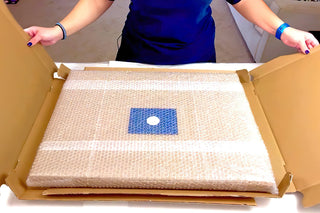
STEP 2 - SHIPPING
We ship your order. We send you an email to track the progress

STEP 3 - DELIVERY
You receive your order. You can also, according to your choice, be delivered to a relay point.
Matte finish
View from behind
Frame (optional)
At the heart of the 19th century, a remarkable work emerges, capturing the essence of suffering and innocence. "L'enfant malade" by Joseph Beaume stands as a poignant art print, evoking deep and universal emotions. This creation, both intimate and universal, immerses us in a universe where childhood pain blends with touching beauty. Beaume, with his mastery of the brush, succeeds in immortalizing a moment of vulnerability, making this instant both personal and accessible. The art print L'enfant malade - Joseph Beaume allows for a renewed appreciation of this masterpiece, offering a window into the subtleties of the human soul.
Style and uniqueness of the work
Beaume's style is distinguished by a realistic approach, where every detail is carefully considered to convey a powerful emotional message. Light plays a crucial role in this work, creating striking contrasts between shadowed and illuminated areas. This use of light emphasizes the fragility of the child, while the colors, chosen with care, evoke an atmosphere that is both gentle and melancholic. The expressions of the characters, especially that of the child, reveal rare psychological depth, demonstrating Beaume's ability to capture the complexity of human feelings. Thus, "L'enfant malade" is not limited to a simple representation but becomes a true tableau of the human condition, inviting the viewer to feel and reflect.
The artist and his influence
Joseph Beaume, a renowned artist, made his mark on his era through his innovative approach to painting. Trained in academic traditions, he quickly developed a style unique to him, integrating elements of realism while drawing inspiration from the great masters of the past. His work reflects a particular sensitivity towards the subjects he chooses, often centered on the human condition. Beaume was influenced by the social and political upheavals of his time, which is reflected in his art. By addressing themes such as illness and suffering, he opens a dialogue on universal questions, making his work timeless. His impact on the 19th-century art scene is undeniable, and his
12,34 €