
Painting Landscape with Shepherds - Philip James de Loutherbourg | Art print


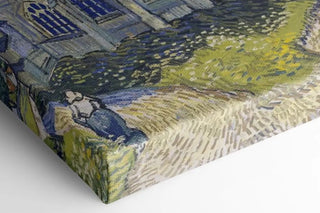
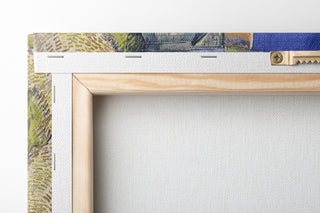
View from behind
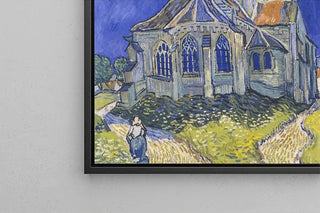
Frame (optional)
In the fascinating world of art history, some works transcend their era and become timeless testimonies of human creativity. "Paysage animé de bergers" by Philip James de Loutherbourg is undoubtedly one of these masterpieces. This painting, evoking a lively and poetic nature, invites viewers to immerse themselves in a world where the sublime blends with the simplicity of pastoral life. Every detail, every shade of color, seems to capture a fleeting moment, a scene of life that, although frozen, breathes vitality and harmony. The art print of this iconic piece allows for a rediscovery of Loutherbourg's artistic subtleties and an appreciation of the atmosphere that pervades his landscapes.
Style and uniqueness of the work
Philip James de Loutherbourg's style is distinguished by his ability to combine realism and imagination. In "Paysage animé de bergers," the painter manages to create a delicate balance between faithful representation of nature and an almost romantic interpretation of it. The vibrant colors and the play of light crossing the painting evoke a sense of movement, as if the landscape itself were breathing. The characters, shepherds engaged in activity, add a human dimension to this bucolic scene, reinforcing the idea that man and nature coexist in perfect harmony. The way Loutherbourg uses light to emphasize forms and textures demonstrates his technical mastery, while revealing an artistic sensitivity unique to him.
The artist and his influence
Philip James de Loutherbourg, born in 1740, was a British painter and scenographer of French origin who marked his era with his innovative approach to landscape. Influenced by the great masters of painting, he developed a distinctive style that combines romanticism with a meticulous observation of nature. Loutherbourg was also a pioneer in the use of light and shadow, which contributed to giving his works unprecedented depth. His influence extends beyond his own artistic production, inspiring many contemporary and future artists to explore the relationship between man and his environment. By rediscovering
Painting Landscape with Shepherds - Philip James de Loutherbourg | Art print

-10% FROM €95 IN PURCHASES
-15% FROM €195 IN PURCHASES
Regular price
- Unit price
- per
Tax included.
Free shipping
€4.90 / Free shipping on orders over €39
Satisfied or Money Back
Free returns within 30 days
10-year warranty
Our prints are guaranteed for 10 years
Any questions? We are here!
by email to contact@artemlegrand.com
THE STEPS OF YOUR ORDER

STEP 1 - ORDER PLACED
Your order has been confirmed and we are starting production

STEP 2 - SHIPPING
We ship your order. We send you an email to track the progress

STEP 3 - DELIVERY
You receive your order. You can also, according to your choice, be delivered to a relay point.
Matte finish
View from behind
Frame (optional)
In the fascinating world of art history, some works transcend their era and become timeless testimonies of human creativity. "Paysage animé de bergers" by Philip James de Loutherbourg is undoubtedly one of these masterpieces. This painting, evoking a lively and poetic nature, invites viewers to immerse themselves in a world where the sublime blends with the simplicity of pastoral life. Every detail, every shade of color, seems to capture a fleeting moment, a scene of life that, although frozen, breathes vitality and harmony. The art print of this iconic piece allows for a rediscovery of Loutherbourg's artistic subtleties and an appreciation of the atmosphere that pervades his landscapes.
Style and uniqueness of the work
Philip James de Loutherbourg's style is distinguished by his ability to combine realism and imagination. In "Paysage animé de bergers," the painter manages to create a delicate balance between faithful representation of nature and an almost romantic interpretation of it. The vibrant colors and the play of light crossing the painting evoke a sense of movement, as if the landscape itself were breathing. The characters, shepherds engaged in activity, add a human dimension to this bucolic scene, reinforcing the idea that man and nature coexist in perfect harmony. The way Loutherbourg uses light to emphasize forms and textures demonstrates his technical mastery, while revealing an artistic sensitivity unique to him.
The artist and his influence
Philip James de Loutherbourg, born in 1740, was a British painter and scenographer of French origin who marked his era with his innovative approach to landscape. Influenced by the great masters of painting, he developed a distinctive style that combines romanticism with a meticulous observation of nature. Loutherbourg was also a pioneer in the use of light and shadow, which contributed to giving his works unprecedented depth. His influence extends beyond his own artistic production, inspiring many contemporary and future artists to explore the relationship between man and his environment. By rediscovering
12,34 €