
Painting Schizanthus s'étendant - William Jackson Hooker | Art print


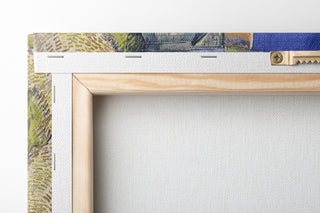
View from behind
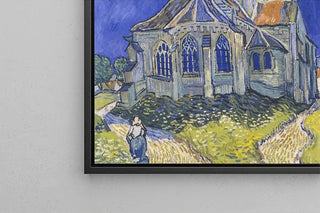
Frame (optional)
In a world where the beauty of nature blends with art, "Schizanthus s'étendant" by William Jackson Hooker stands out as a masterpiece revealing the harmony between science and aesthetics. This work, capturing the very essence of exotic flowers, transports us to a universe where each petal and leaf is meticulously observed and depicted. Hooker, a distinguished botanist and passionate artist, invites us to contemplate the delicacy of flora through an artistic lens, paying tribute to the richness of biodiversity. The art print of this piece allows us to rediscover the magic of nature while enhancing our living spaces.
Style and uniqueness of the work
Hooker's work is distinguished by its realistic and detailed approach, accentuated by a vibrant color palette that evokes the freshness of blooming gardens. "Schizanthus s'étendant" is characterized by a harmonious composition where organic shapes unfold gracefully, creating a captivating visual dynamic. Precise strokes and delicate nuances testify to meticulous observation, revealing not only the beauty of the flowers but also their complexity. Hooker manages to capture the very essence of nature, transforming a simple bouquet into a celebration of life. This style, both scientific and artistic, makes him a pioneer in botanical illustration, where each art print is an invitation to contemplation and wonder.
The artist and his influence
William Jackson Hooker, an emblematic figure of the 19th century, skillfully combined his skills as a botanist with those of an artist to leave an indelible mark in the worlds of art and science. As director of the Kew Gardens, he contributed to the classification and preservation of numerous plant species. His work is not limited to simple illustration; it conveys a message about the importance of conserving nature. Hooker inspired many artists and scientists, establishing a link between art and biology that endures to this day. His ability to transmit the beauty of plants through art paved the way for a new appreciation of flora.
Painting Schizanthus s'étendant - William Jackson Hooker | Art print

-10% FROM €95 IN PURCHASES
-15% FROM €195 IN PURCHASES
Regular price
- Unit price
- per
Tax included.
Free shipping
€4.90 / Free shipping on orders over €39
Satisfied or Money Back
Free returns within 30 days
10-year warranty
Our prints are guaranteed for 10 years
Any questions? We are here!
by email to contact@artemlegrand.com
THE STEPS OF YOUR ORDER

STEP 1 - ORDER PLACED
Your order has been confirmed and we are starting production
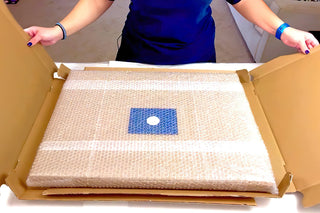
STEP 2 - SHIPPING
We ship your order. We send you an email to track the progress

STEP 3 - DELIVERY
You receive your order. You can also, according to your choice, be delivered to a relay point.
Matte finish
View from behind
Frame (optional)
In a world where the beauty of nature blends with art, "Schizanthus s'étendant" by William Jackson Hooker stands out as a masterpiece revealing the harmony between science and aesthetics. This work, capturing the very essence of exotic flowers, transports us to a universe where each petal and leaf is meticulously observed and depicted. Hooker, a distinguished botanist and passionate artist, invites us to contemplate the delicacy of flora through an artistic lens, paying tribute to the richness of biodiversity. The art print of this piece allows us to rediscover the magic of nature while enhancing our living spaces.
Style and uniqueness of the work
Hooker's work is distinguished by its realistic and detailed approach, accentuated by a vibrant color palette that evokes the freshness of blooming gardens. "Schizanthus s'étendant" is characterized by a harmonious composition where organic shapes unfold gracefully, creating a captivating visual dynamic. Precise strokes and delicate nuances testify to meticulous observation, revealing not only the beauty of the flowers but also their complexity. Hooker manages to capture the very essence of nature, transforming a simple bouquet into a celebration of life. This style, both scientific and artistic, makes him a pioneer in botanical illustration, where each art print is an invitation to contemplation and wonder.
The artist and his influence
William Jackson Hooker, an emblematic figure of the 19th century, skillfully combined his skills as a botanist with those of an artist to leave an indelible mark in the worlds of art and science. As director of the Kew Gardens, he contributed to the classification and preservation of numerous plant species. His work is not limited to simple illustration; it conveys a message about the importance of conserving nature. Hooker inspired many artists and scientists, establishing a link between art and biology that endures to this day. His ability to transmit the beauty of plants through art paved the way for a new appreciation of flora.
12,34 €