
Art print Scene from the painting Lubbert Lubbertse ou le fermier anobli de M. van Breda - Jacobus Buys


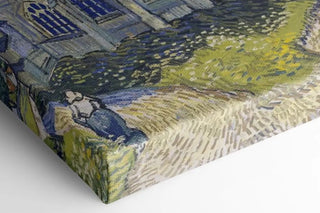
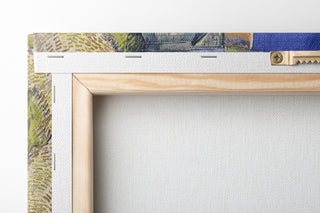
View from behind
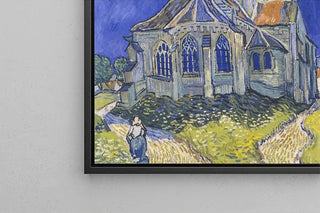
Frame (optional)
In the rich and fascinating universe of art history, certain works stand out for their ability to capture the essence of their era while telling timeless stories. The art print of the scene from the play Lubbert Lubbertse ou le fermier anobli de M. van Breda - Jacobus Buys is a perfect example. This piece, emblematic of 17th-century Dutch theater, immerses us in a world where everyday life and comedy intersect, revealing the subtleties of social customs and behaviors of the time. It invites the viewer to explore not only the depicted scene but also the cultural context surrounding it, offering a complete immersion into a captivating visual narrative.
Style and uniqueness of the work
The style of this art print is characterized by a lively and dynamic representation of the characters, each carefully crafted to express a specific emotion or intention. The vibrant colors and meticulous details demonstrate undeniable technical mastery, allowing the viewer to feel the energy of the scene. The composition is carefully orchestrated, with each element playing a crucial role in storytelling. This piece does not merely depict a theater scene; it becomes a mirror of human aspirations and flaws, highlighting universal themes of comedy and tragedy. The way the figures interact with each other, as well as their placement within the space, creates a dynamic that draws the eye and engages the mind, making this work a true masterpiece of visual storytelling.
The artist and his influence
Jacobus Buys, the artist behind this art print, is a prominent figure in the Dutch artistic landscape. His work is often associated with an approach that combines careful observation and personal interpretation, allowing him to transcend mere realism. Buys captured the spirit of his time, influencing many contemporary and future artists. His attention to detail, both in facial expressions and in the postures of the characters, reflects a deep understanding of human psychology. Through his works, he explores themes of society, morality, and human relationships.
Art print Scene from the painting Lubbert Lubbertse ou le fermier anobli de M. van Breda - Jacobus Buys

-10% FROM €95 IN PURCHASES
-15% FROM €195 IN PURCHASES
Regular price
- Unit price
- per
Tax included.
Free shipping
€4.90 / Free shipping on orders over €39
Satisfied or Money Back
Free returns within 30 days
10-year warranty
Our prints are guaranteed for 10 years
Any questions? We are here!
by email to contact@artemlegrand.com
THE STEPS OF YOUR ORDER

STEP 1 - ORDER PLACED
Your order has been confirmed and we are starting production
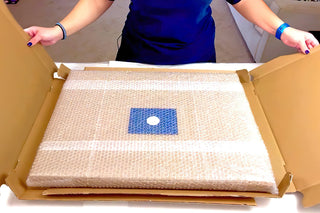
STEP 2 - SHIPPING
We ship your order. We send you an email to track the progress

STEP 3 - DELIVERY
You receive your order. You can also, according to your choice, be delivered to a relay point.
Matte finish
View from behind
Frame (optional)
In the rich and fascinating universe of art history, certain works stand out for their ability to capture the essence of their era while telling timeless stories. The art print of the scene from the play Lubbert Lubbertse ou le fermier anobli de M. van Breda - Jacobus Buys is a perfect example. This piece, emblematic of 17th-century Dutch theater, immerses us in a world where everyday life and comedy intersect, revealing the subtleties of social customs and behaviors of the time. It invites the viewer to explore not only the depicted scene but also the cultural context surrounding it, offering a complete immersion into a captivating visual narrative.
Style and uniqueness of the work
The style of this art print is characterized by a lively and dynamic representation of the characters, each carefully crafted to express a specific emotion or intention. The vibrant colors and meticulous details demonstrate undeniable technical mastery, allowing the viewer to feel the energy of the scene. The composition is carefully orchestrated, with each element playing a crucial role in storytelling. This piece does not merely depict a theater scene; it becomes a mirror of human aspirations and flaws, highlighting universal themes of comedy and tragedy. The way the figures interact with each other, as well as their placement within the space, creates a dynamic that draws the eye and engages the mind, making this work a true masterpiece of visual storytelling.
The artist and his influence
Jacobus Buys, the artist behind this art print, is a prominent figure in the Dutch artistic landscape. His work is often associated with an approach that combines careful observation and personal interpretation, allowing him to transcend mere realism. Buys captured the spirit of his time, influencing many contemporary and future artists. His attention to detail, both in facial expressions and in the postures of the characters, reflects a deep understanding of human psychology. Through his works, he explores themes of society, morality, and human relationships.
12,34 €