
Painting Sainte Marguerite sur Mer - Walter Richard Sickert | Art print


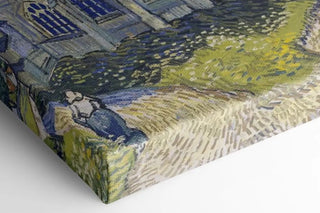
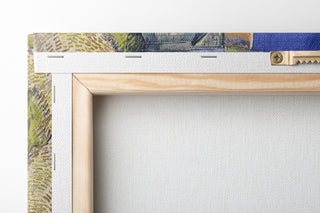
View from behind
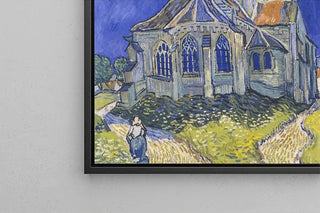
Frame (optional)
Reproduction Sainte Marguerite sur Mer - Walter Richard Sickert – Engaging Introduction
In the vast landscape of art history, some works manage to capture the essence of a moment, a place, an emotion. "Sainte Marguerite sur Mer" by Walter Richard Sickert is one of those creations that transcends the mere frame to offer an immersion into a unique atmosphere. Painted at the end of the 19th century, this piece evokes not only the beauty of the Normandy coast but also the depth of human feelings. Sickert, master of chiaroscuro and light, succeeds in transporting the viewer into this painting, where the sea and sky meet in a delicate dance. This piece is much more than a simple representation; it is an invitation to contemplation, a visual journey into marine landscapes.
Style and uniqueness of the work
Sickert's technique in "Sainte Marguerite sur Mer" is both bold and subtle. Using a palette of soft colors, he manages to play with light in a way that creates an almost dreamlike atmosphere. The waves of the sea, painted with quick and fluid brushstrokes, seem to move, while the sky, tinged with pastel shades, evokes the tranquility of a summer evening. The composition, though simple, is rich in details that attract the eye and invite exploration. Each element of the painting, from moored boats to reflections on the water, is carefully orchestrated to create visual harmony. Sickert succeeds in capturing not only the visual aspect of Sainte Marguerite but also its essence, its atmosphere, and the emotion it emanates. This painting is an open window to a world where time seems suspended, where natural beauty meets the art of painting.
The artist and his influence
Walter Richard Sickert, an emblematic figure of the Impressionist movement, knew how to mark his era with his innovative approach and distinctive style. Born in 1860, he was influenced by masters such as Degas and Monet, but also developed a unique voice that is his own. Sickert was fascinated by everyday life and genre scenes, but it was his exploration of marine landscapes that allowed him to
Painting Sainte Marguerite sur Mer - Walter Richard Sickert | Art print

-10% FROM €95 IN PURCHASES
-15% FROM €195 IN PURCHASES
Regular price
- Unit price
- per
Tax included.
Free shipping
€4.90 / Free shipping on orders over €39
Satisfied or Money Back
Free returns within 30 days
10-year warranty
Our prints are guaranteed for 10 years
Any questions? We are here!
by email to contact@artemlegrand.com
THE STEPS OF YOUR ORDER

STEP 1 - ORDER PLACED
Your order has been confirmed and we are starting production
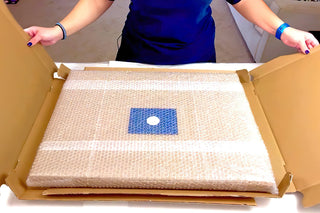
STEP 2 - SHIPPING
We ship your order. We send you an email to track the progress

STEP 3 - DELIVERY
You receive your order. You can also, according to your choice, be delivered to a relay point.
Matte finish
View from behind
Frame (optional)
Reproduction Sainte Marguerite sur Mer - Walter Richard Sickert – Engaging Introduction
In the vast landscape of art history, some works manage to capture the essence of a moment, a place, an emotion. "Sainte Marguerite sur Mer" by Walter Richard Sickert is one of those creations that transcends the mere frame to offer an immersion into a unique atmosphere. Painted at the end of the 19th century, this piece evokes not only the beauty of the Normandy coast but also the depth of human feelings. Sickert, master of chiaroscuro and light, succeeds in transporting the viewer into this painting, where the sea and sky meet in a delicate dance. This piece is much more than a simple representation; it is an invitation to contemplation, a visual journey into marine landscapes.
Style and uniqueness of the work
Sickert's technique in "Sainte Marguerite sur Mer" is both bold and subtle. Using a palette of soft colors, he manages to play with light in a way that creates an almost dreamlike atmosphere. The waves of the sea, painted with quick and fluid brushstrokes, seem to move, while the sky, tinged with pastel shades, evokes the tranquility of a summer evening. The composition, though simple, is rich in details that attract the eye and invite exploration. Each element of the painting, from moored boats to reflections on the water, is carefully orchestrated to create visual harmony. Sickert succeeds in capturing not only the visual aspect of Sainte Marguerite but also its essence, its atmosphere, and the emotion it emanates. This painting is an open window to a world where time seems suspended, where natural beauty meets the art of painting.
The artist and his influence
Walter Richard Sickert, an emblematic figure of the Impressionist movement, knew how to mark his era with his innovative approach and distinctive style. Born in 1860, he was influenced by masters such as Degas and Monet, but also developed a unique voice that is his own. Sickert was fascinated by everyday life and genre scenes, but it was his exploration of marine landscapes that allowed him to
12,34 €