
Painting Saint Sebastian - Vincenzo Tamagni | Art print


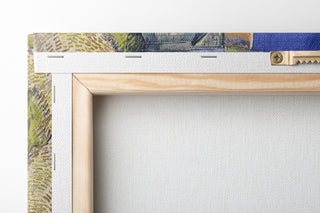
View from behind
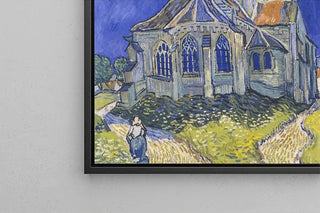
Frame (optional)
Saint Sébastien - Vincenzo Tamagni – Engaging Introduction
Within the expansive panorama of Renaissance art, the "Saint Sébastien" art print by Vincenzo Tamagni stands out for its emotional depth and technical mastery. This painting, depicting the Christian martyr in a moment of suffering and resilience, invites the viewer to a silent contemplation. Tamagni's choice to highlight the figure of Saint Sébastien, often associated with protection and unwavering faith, makes it an iconic work that transcends its era. Light and shadow play a crucial role in this composition, creating an atmosphere that is both dramatic and soothing, where one can feel the tension between physical pain and spiritual serenity.
Style and uniqueness of the work
Tamagni's style, rich in detail and vibrant colors, reflects a strong influence from his contemporaries, while maintaining a distinctive originality. The depiction of Saint Sébastien, with his arrows that seem both threatening and protective, is a perfect illustration of Renaissance narrative art. The drapery of his clothing, meticulously crafted, reveals an in-depth understanding of human anatomy and the dynamics of movement. This art print does not merely depict a martyr; it tells a story, that of a strong man facing adversity. The nuances of color, ranging from warm tones to cool shadows, add an almost sculptural dimension to the figure, making the piece lively and captivating.
The artist and his influence
Vincenzo Tamagni, though less known than some of his contemporaries, managed to carve out a place in the artistic landscape of his time. Trained in Florence, he was influenced by masters such as Michelangelo and Botticelli, incorporating elements of their style while developing a personal signature. Tamagni was also a pioneer in exploring religious themes, seeking to convey deep emotions through his works. His innovative approach inspired many artists of the period, helping to shape the visual language of Italian Renaissance art. By depicting holy figures with palpable humanity, he paved the way for a
Painting Saint Sebastian - Vincenzo Tamagni | Art print

-10% FROM €95 IN PURCHASES
-15% FROM €195 IN PURCHASES
Regular price
- Unit price
- per
Tax included.
Free shipping
€4.90 / Free shipping on orders over €39
Satisfied or Money Back
Free returns within 30 days
10-year warranty
Our prints are guaranteed for 10 years
Any questions? We are here!
by email to contact@artemlegrand.com
THE STEPS OF YOUR ORDER

STEP 1 - ORDER PLACED
Your order has been confirmed and we are starting production

STEP 2 - SHIPPING
We ship your order. We send you an email to track the progress

STEP 3 - DELIVERY
You receive your order. You can also, according to your choice, be delivered to a relay point.
Matte finish
View from behind
Frame (optional)
Saint Sébastien - Vincenzo Tamagni – Engaging Introduction
Within the expansive panorama of Renaissance art, the "Saint Sébastien" art print by Vincenzo Tamagni stands out for its emotional depth and technical mastery. This painting, depicting the Christian martyr in a moment of suffering and resilience, invites the viewer to a silent contemplation. Tamagni's choice to highlight the figure of Saint Sébastien, often associated with protection and unwavering faith, makes it an iconic work that transcends its era. Light and shadow play a crucial role in this composition, creating an atmosphere that is both dramatic and soothing, where one can feel the tension between physical pain and spiritual serenity.
Style and uniqueness of the work
Tamagni's style, rich in detail and vibrant colors, reflects a strong influence from his contemporaries, while maintaining a distinctive originality. The depiction of Saint Sébastien, with his arrows that seem both threatening and protective, is a perfect illustration of Renaissance narrative art. The drapery of his clothing, meticulously crafted, reveals an in-depth understanding of human anatomy and the dynamics of movement. This art print does not merely depict a martyr; it tells a story, that of a strong man facing adversity. The nuances of color, ranging from warm tones to cool shadows, add an almost sculptural dimension to the figure, making the piece lively and captivating.
The artist and his influence
Vincenzo Tamagni, though less known than some of his contemporaries, managed to carve out a place in the artistic landscape of his time. Trained in Florence, he was influenced by masters such as Michelangelo and Botticelli, incorporating elements of their style while developing a personal signature. Tamagni was also a pioneer in exploring religious themes, seeking to convey deep emotions through his works. His innovative approach inspired many artists of the period, helping to shape the visual language of Italian Renaissance art. By depicting holy figures with palpable humanity, he paved the way for a
12,34 €