
Saint Sebastian Painting - Simon Vouet | Art print


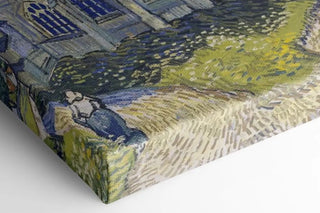
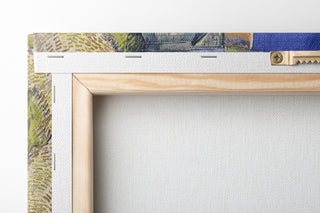
View from behind
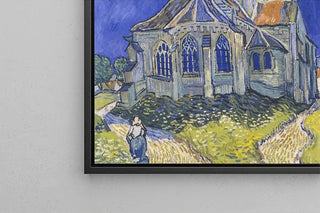
Frame (optional)
In the world of art, some works transcend time and space, captivating the gaze and the minds of viewers. "Saint Sebastian" by Simon Vouet is undoubtedly one of these masterful pieces. Created in the 17th century, this artwork embodies beauty and spirituality, while revealing the torments of the human soul. Through this striking representation, Vouet manages to capture the very essence of the martyr, transforming suffering into a sublime form of art. Light, color, and composition blend harmoniously to offer an unforgettable visual experience, immersing the viewer in a universe where pain and beauty coexist.
Style and uniqueness of the work
Simon Vouet's style is characterized by an exceptional mastery of light and shadow, creating dramatic effects that enhance the emotion conveyed by his subjects. In "Saint Sebastian," the artist uses warm tones and striking contrasts to emphasize the figure of the saint, who stands with dignity despite the arrows piercing him. Sebastian's posture, both heroic and vulnerable, evokes a palpable tension, while the dark background highlights the depth of his sacrifice. Vouet, influenced by the Baroque, succeeds in combining poignant realism with refined aesthetics, making this work not only a testament of faith but also an artistic masterpiece. Every detail, from the drapery of the tunic to facial expressions, demonstrates unparalleled craftsmanship and artistic sensitivity that deeply touch those who contemplate this piece.
The artist and his influence
Simon Vouet, an emblematic figure of French Baroque, established himself as a master of painting through his innovative approach and his ability to blend tradition and modernity. Trained in Italy, he integrated influences from Mannerism and Baroque into his own style, creating works that resonate with a unique emotional intensity. His career, marked by prestigious commissions and growing recognition, left an indelible mark on French art. Vouet also played a key role in the formation of a new
Saint Sebastian Painting - Simon Vouet | Art print

-10% FROM €95 IN PURCHASES
-15% FROM €195 IN PURCHASES
Regular price
- Unit price
- per
Tax included.
Free shipping
€4.90 / Free shipping on orders over €39
Satisfied or Money Back
Free returns within 30 days
10-year warranty
Our prints are guaranteed for 10 years
Any questions? We are here!
by email to contact@artemlegrand.com
THE STEPS OF YOUR ORDER

STEP 1 - ORDER PLACED
Your order has been confirmed and we are starting production
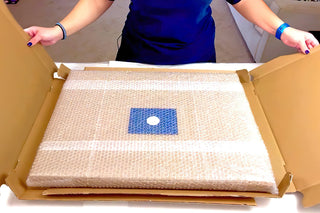
STEP 2 - SHIPPING
We ship your order. We send you an email to track the progress

STEP 3 - DELIVERY
You receive your order. You can also, according to your choice, be delivered to a relay point.
Matte finish
View from behind
Frame (optional)
In the world of art, some works transcend time and space, captivating the gaze and the minds of viewers. "Saint Sebastian" by Simon Vouet is undoubtedly one of these masterful pieces. Created in the 17th century, this artwork embodies beauty and spirituality, while revealing the torments of the human soul. Through this striking representation, Vouet manages to capture the very essence of the martyr, transforming suffering into a sublime form of art. Light, color, and composition blend harmoniously to offer an unforgettable visual experience, immersing the viewer in a universe where pain and beauty coexist.
Style and uniqueness of the work
Simon Vouet's style is characterized by an exceptional mastery of light and shadow, creating dramatic effects that enhance the emotion conveyed by his subjects. In "Saint Sebastian," the artist uses warm tones and striking contrasts to emphasize the figure of the saint, who stands with dignity despite the arrows piercing him. Sebastian's posture, both heroic and vulnerable, evokes a palpable tension, while the dark background highlights the depth of his sacrifice. Vouet, influenced by the Baroque, succeeds in combining poignant realism with refined aesthetics, making this work not only a testament of faith but also an artistic masterpiece. Every detail, from the drapery of the tunic to facial expressions, demonstrates unparalleled craftsmanship and artistic sensitivity that deeply touch those who contemplate this piece.
The artist and his influence
Simon Vouet, an emblematic figure of French Baroque, established himself as a master of painting through his innovative approach and his ability to blend tradition and modernity. Trained in Italy, he integrated influences from Mannerism and Baroque into his own style, creating works that resonate with a unique emotional intensity. His career, marked by prestigious commissions and growing recognition, left an indelible mark on French art. Vouet also played a key role in the formation of a new
12,34 €