
Art print Saint Jean l'Évangéliste - Gaspar de Crayer | Art print


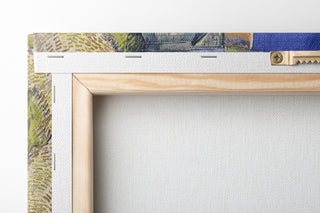
View from behind
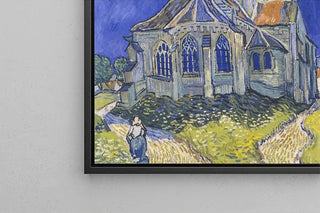
Frame (optional)
Saint John the Evangelist Art print - Gaspar de Crayer – Captivating Introduction
In the vast panorama of art history, certain works transcend the simple frame of painting to become icons of spirituality and reflection. The Saint John the Evangelist art print by Gaspar de Crayer is a striking example. This piece, which depicts one of the most revered apostles of Christianity, is both an invitation to contemplation and a tribute to the depth of faith. By scrutinizing the serene face of Saint John, the viewer is drawn into a mystical journey, where light and shadow blend to evoke intense emotions. The painting, through its expressiveness, captures the very essence of the evangelist, while offering a reflection on divine and human nature.
Style and uniqueness of the work
Gaspar de Crayer, a Flemish master of the 17th century, stands out for his skill in blending realism and idealism. In this work, he manages to create an atmosphere that is both solemn and intimate. The color palette, dominated by warm and golden tones, imparts a luminosity that seems to emanate from the very figure of Saint John. The drapery of the robe, carefully crafted, demonstrates technical mastery like no other, while the delicate features of the face reveal rare sensitivity. This combination of technical virtuosity and palpable emotion makes this work a masterpiece of the Baroque, where every detail is designed to evoke a reaction from the viewer. The composition, centered on the main character, invites prolonged contemplation, allowing each person to immerse themselves in the depth of the spiritual message.
The artist and his influence
Gaspar de Crayer, often regarded as one of the greatest painters of his time, knew how to establish himself through his unique style and his ability to capture the human soul. Trained in the shadow of masters such as Rubens, he developed a personal approach, integrating elements of the Flemish tradition while opening up to Italian influences. His work is not limited to the depiction of religious figures; he also explores secular themes, demonstrating an intellectual curiosity
Art print Saint Jean l'Évangéliste - Gaspar de Crayer | Art print

-10% FROM €95 IN PURCHASES
-15% FROM €195 IN PURCHASES
Regular price
- Unit price
- per
Tax included.
Free shipping
€4.90 / Free shipping on orders over €39
Satisfied or Money Back
Free returns within 30 days
10-year warranty
Our prints are guaranteed for 10 years
Any questions? We are here!
by email to contact@artemlegrand.com
THE STEPS OF YOUR ORDER

STEP 1 - ORDER PLACED
Your order has been confirmed and we are starting production
STEP 2 - SHIPPING
We ship your order. We send you an email to track the progress

STEP 3 - DELIVERY
You receive your order. You can also, according to your choice, be delivered to a relay point.
Matte finish
View from behind
Frame (optional)
Saint John the Evangelist Art print - Gaspar de Crayer – Captivating Introduction
In the vast panorama of art history, certain works transcend the simple frame of painting to become icons of spirituality and reflection. The Saint John the Evangelist art print by Gaspar de Crayer is a striking example. This piece, which depicts one of the most revered apostles of Christianity, is both an invitation to contemplation and a tribute to the depth of faith. By scrutinizing the serene face of Saint John, the viewer is drawn into a mystical journey, where light and shadow blend to evoke intense emotions. The painting, through its expressiveness, captures the very essence of the evangelist, while offering a reflection on divine and human nature.
Style and uniqueness of the work
Gaspar de Crayer, a Flemish master of the 17th century, stands out for his skill in blending realism and idealism. In this work, he manages to create an atmosphere that is both solemn and intimate. The color palette, dominated by warm and golden tones, imparts a luminosity that seems to emanate from the very figure of Saint John. The drapery of the robe, carefully crafted, demonstrates technical mastery like no other, while the delicate features of the face reveal rare sensitivity. This combination of technical virtuosity and palpable emotion makes this work a masterpiece of the Baroque, where every detail is designed to evoke a reaction from the viewer. The composition, centered on the main character, invites prolonged contemplation, allowing each person to immerse themselves in the depth of the spiritual message.
The artist and his influence
Gaspar de Crayer, often regarded as one of the greatest painters of his time, knew how to establish himself through his unique style and his ability to capture the human soul. Trained in the shadow of masters such as Rubens, he developed a personal approach, integrating elements of the Flemish tradition while opening up to Italian influences. His work is not limited to the depiction of religious figures; he also explores secular themes, demonstrating an intellectual curiosity
12,34 €