
Saint hermit - Giacinto Brandi | Art print


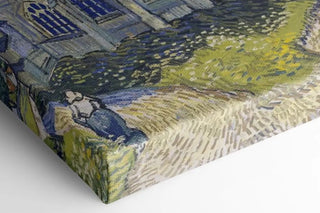
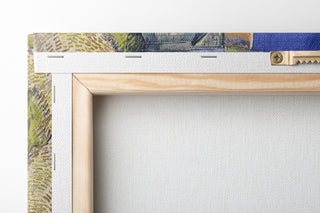
View from behind
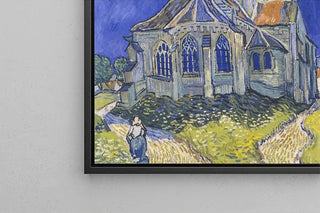
Frame (optional)
Saint ermite - Giacinto Brandi – Captivating introduction
In the vast world of art, some works stand out for their ability to capture the essence of humanity and evoke deep emotions. "Saint ermite - Giacinto Brandi" is one of those creations that, through its narrative richness and spiritual depth, invites the viewer to introspective contemplation. This painting, depicting a hermit in meditation, is a true ode to solitude and the pursuit of transcendence. Through the use of warm colors and delicate lighting, Brandi manages to create an atmosphere filled with serenity and mystery, transporting the viewer into a universe where the divine and the human meet.
Style and uniqueness of the work
Giacinto Brandi's work is characterized by a refined baroque style, where light plays a central role. In "Saint ermite," the artist uses striking contrasts to highlight the saint's features, emphasizing his expression of deep meditation. The delicacy of the details, from the folds of the robe to the textures of the skin, demonstrates exceptional craftsmanship and meticulous attention to the representation of the human body. This painting does not merely depict an isolated figure; it also evokes an atmosphere of reflection, where the saint seems in communion with the cosmos. The composition, carefully balanced, guides the viewer's gaze toward the saint's face, inviting reflection on spirituality and self-discovery.
The artist and his influence
Giacinto Brandi, a 17th-century painter, is often recognized for his ability to merge emotion and technique. Although influenced by the masters of his time, his unique approach to light and shadow allowed him to stand out. Brandi captured the very essence of religious figures, making them accessible and human while preserving their sacred dimension. His work had a significant impact on his contemporaries and contributed to defining the baroque style in Italy. By focusing on spiritual themes and exploring the psychology of characters, he paved the way for a new approach to religious painting, leaving his mark in
Saint hermit - Giacinto Brandi | Art print

-10% FROM €95 IN PURCHASES
-15% FROM €195 IN PURCHASES
Regular price
- Unit price
- per
Tax included.
Free shipping
€4.90 / Free shipping on orders over €39
Satisfied or Money Back
Free returns within 30 days
10-year warranty
Our prints are guaranteed for 10 years
Any questions? We are here!
by email to contact@artemlegrand.com
THE STEPS OF YOUR ORDER

STEP 1 - ORDER PLACED
Your order has been confirmed and we are starting production
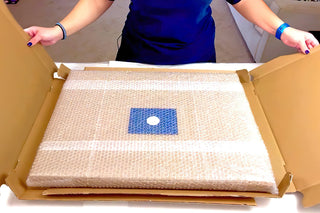
STEP 2 - SHIPPING
We ship your order. We send you an email to track the progress

STEP 3 - DELIVERY
You receive your order. You can also, according to your choice, be delivered to a relay point.
Matte finish
View from behind
Frame (optional)
Saint ermite - Giacinto Brandi – Captivating introduction
In the vast world of art, some works stand out for their ability to capture the essence of humanity and evoke deep emotions. "Saint ermite - Giacinto Brandi" is one of those creations that, through its narrative richness and spiritual depth, invites the viewer to introspective contemplation. This painting, depicting a hermit in meditation, is a true ode to solitude and the pursuit of transcendence. Through the use of warm colors and delicate lighting, Brandi manages to create an atmosphere filled with serenity and mystery, transporting the viewer into a universe where the divine and the human meet.
Style and uniqueness of the work
Giacinto Brandi's work is characterized by a refined baroque style, where light plays a central role. In "Saint ermite," the artist uses striking contrasts to highlight the saint's features, emphasizing his expression of deep meditation. The delicacy of the details, from the folds of the robe to the textures of the skin, demonstrates exceptional craftsmanship and meticulous attention to the representation of the human body. This painting does not merely depict an isolated figure; it also evokes an atmosphere of reflection, where the saint seems in communion with the cosmos. The composition, carefully balanced, guides the viewer's gaze toward the saint's face, inviting reflection on spirituality and self-discovery.
The artist and his influence
Giacinto Brandi, a 17th-century painter, is often recognized for his ability to merge emotion and technique. Although influenced by the masters of his time, his unique approach to light and shadow allowed him to stand out. Brandi captured the very essence of religious figures, making them accessible and human while preserving their sacred dimension. His work had a significant impact on his contemporaries and contributed to defining the baroque style in Italy. By focusing on spiritual themes and exploring the psychology of characters, he paved the way for a new approach to religious painting, leaving his mark in
12,34 €