
Painting Robert Stockton Johnson 1790–1866 - Robert Street | Art print


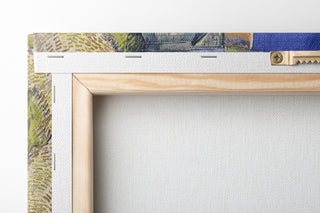
View from behind
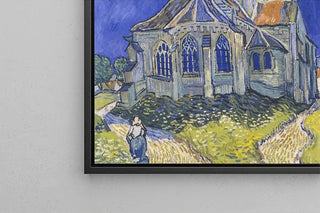
Frame (optional)
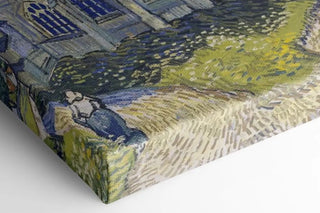
In the fascinating universe of art, some works manage to capture the essence of a bygone era while offering a timeless allure. The art print of "Robert Stockton Johnson 1790–1866 - Robert Street" stands as a true tribute to the finesse and depth of 19th-century artistic creation. This painting, imbued with a particular atmosphere, invites the viewer to immerse themselves in a scene that evokes the urban life of another time. Every detail, every shade of color, seems to tell a story—the story of lively streets and the characters who inhabit them. Contemplating this piece, one feels a thrill—the thrill of living history awakening before our eyes.
Style and uniqueness of the work
The uniqueness of "Robert Stockton Johnson 1790–1866 - Robert Street" lies in its ability to blend realism and impressionism. The brushstrokes, both precise and fluid, give a dynamic quality to the scene. The characters, although depicted in their daily lives, seem to come alive under the viewer's gaze. Light plays a leading role in this work, bathing the streets in a gentle clarity that enhances contrasts and shadows. The colors, carefully chosen, evoke a rich and varied palette that transports the eye to the heart of city life. This art print does not merely depict a snapshot of life; it captures its very essence, making each observation unique and personal.
The artist and his influence
Robert Stockton Johnson, a prolific artist of the 19th century, knew how to leave his mark on his era through an innovative approach to painting. His style, which combines mastered technique with sharpened artistic sensitivity, influenced many contemporaries and successors. Johnson explored themes of urban life, landscapes, and portraits, all while seeking to convey a deep emotion through his creations. His work was often praised for its ability to evoke atmospheres charged with life and movement. By incorporating elements of everyday life into his works, he contributed to redefining the role of the artist in society, making him a witness and a narrator of
Painting Robert Stockton Johnson 1790–1866 - Robert Street | Art print

-10% FROM €95 IN PURCHASES
-15% FROM €195 IN PURCHASES
Regular price
- Unit price
- per
Tax included.
Free shipping
€4.90 / Free shipping on orders over €39
Satisfied or Money Back
Free returns within 30 days
10-year warranty
Our prints are guaranteed for 10 years
Any questions? We are here!
by email to contact@artemlegrand.com
THE STEPS OF YOUR ORDER

STEP 1 - ORDER PLACED
Your order has been confirmed and we are starting production
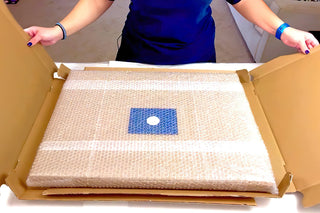
STEP 2 - SHIPPING
We ship your order. We send you an email to track the progress

STEP 3 - DELIVERY
You receive your order. You can also, according to your choice, be delivered to a relay point.
Matte finish
View from behind
Frame (optional)
In the fascinating universe of art, some works manage to capture the essence of a bygone era while offering a timeless allure. The art print of "Robert Stockton Johnson 1790–1866 - Robert Street" stands as a true tribute to the finesse and depth of 19th-century artistic creation. This painting, imbued with a particular atmosphere, invites the viewer to immerse themselves in a scene that evokes the urban life of another time. Every detail, every shade of color, seems to tell a story—the story of lively streets and the characters who inhabit them. Contemplating this piece, one feels a thrill—the thrill of living history awakening before our eyes.
Style and uniqueness of the work
The uniqueness of "Robert Stockton Johnson 1790–1866 - Robert Street" lies in its ability to blend realism and impressionism. The brushstrokes, both precise and fluid, give a dynamic quality to the scene. The characters, although depicted in their daily lives, seem to come alive under the viewer's gaze. Light plays a leading role in this work, bathing the streets in a gentle clarity that enhances contrasts and shadows. The colors, carefully chosen, evoke a rich and varied palette that transports the eye to the heart of city life. This art print does not merely depict a snapshot of life; it captures its very essence, making each observation unique and personal.
The artist and his influence
Robert Stockton Johnson, a prolific artist of the 19th century, knew how to leave his mark on his era through an innovative approach to painting. His style, which combines mastered technique with sharpened artistic sensitivity, influenced many contemporaries and successors. Johnson explored themes of urban life, landscapes, and portraits, all while seeking to convey a deep emotion through his creations. His work was often praised for its ability to evoke atmospheres charged with life and movement. By incorporating elements of everyday life into his works, he contributed to redefining the role of the artist in society, making him a witness and a narrator of
12,34 €