
Painting Quintus Fabius Maximus - Jan Lievens | Art print


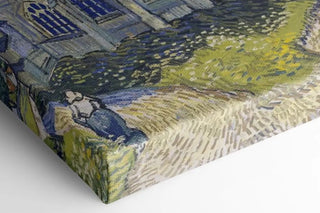
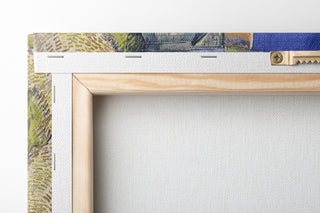
View from behind
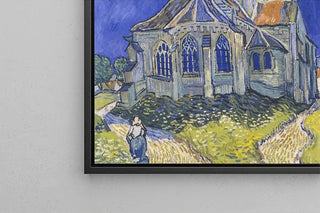
Frame (optional)
Quintus Fabius Maximus - Jan Lievens – Captivating Introduction
The art print "Quintus Fabius Maximus" by Jan Lievens is a captivating piece that immerses the viewer in the rich and complex universe of Roman history. Through the image of this Roman general, Lievens does not merely depict a historical figure, but manages to capture the very essence of bravery and military strategy of his era. This work, imbued with depth and symbolism, invites reflection on leadership and resilience in the face of adversity. In a world where glory and decline intertwine, Lievens offers a poignant insight into human nature, transcending mere historical facts to touch on the universal.
Style and uniqueness of the work
Lievens' style is distinguished by an exceptional mastery of light and shadow, a technique reminiscent of the great masters of Caravaggio. In "Quintus Fabius Maximus," the play of light highlights the features of the general, emphasizing his determined expression. The colors, rich and deep, evoke an atmosphere of gravity and solemnity, while the meticulous details of clothing and military accessories reflect a concern for realism. Lievens manages to infuse his subject with an almost palpable life, making the art print both lively and timeless. This piece also stands out for its ability to tell a story, that of a man facing crucial choices—a theme that still resonates today in our understanding of figures of power.
The artist and his influence
Jan Lievens, a contemporary of Rembrandt, is often regarded as one of the masters of the Dutch Golden Age. His career, though less famous than that of his peer, is marked by constant innovation and an exploration of themes related to the human condition. Lievens succeeded in establishing himself through his unique approach, combining refined technique with deep artistic sensitivity. His influence extends beyond his era, inspiring many artists who sought to capture emotion and truth in their works. By choosing to depict a historical figure such as Quintus Fabius Maximus, Lievens underscores the importance of collective memory and
Painting Quintus Fabius Maximus - Jan Lievens | Art print

-10% FROM €95 IN PURCHASES
-15% FROM €195 IN PURCHASES
Regular price
- Unit price
- per
Tax included.
Free shipping
€4.90 / Free shipping on orders over €39
Satisfied or Money Back
Free returns within 30 days
10-year warranty
Our prints are guaranteed for 10 years
Any questions? We are here!
by email to contact@artemlegrand.com
THE STEPS OF YOUR ORDER

STEP 1 - ORDER PLACED
Your order has been confirmed and we are starting production
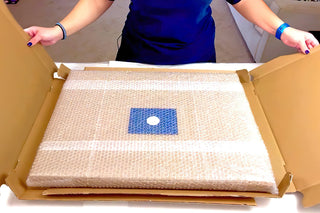
STEP 2 - SHIPPING
We ship your order. We send you an email to track the progress

STEP 3 - DELIVERY
You receive your order. You can also, according to your choice, be delivered to a relay point.
Matte finish
View from behind
Frame (optional)
Quintus Fabius Maximus - Jan Lievens – Captivating Introduction
The art print "Quintus Fabius Maximus" by Jan Lievens is a captivating piece that immerses the viewer in the rich and complex universe of Roman history. Through the image of this Roman general, Lievens does not merely depict a historical figure, but manages to capture the very essence of bravery and military strategy of his era. This work, imbued with depth and symbolism, invites reflection on leadership and resilience in the face of adversity. In a world where glory and decline intertwine, Lievens offers a poignant insight into human nature, transcending mere historical facts to touch on the universal.
Style and uniqueness of the work
Lievens' style is distinguished by an exceptional mastery of light and shadow, a technique reminiscent of the great masters of Caravaggio. In "Quintus Fabius Maximus," the play of light highlights the features of the general, emphasizing his determined expression. The colors, rich and deep, evoke an atmosphere of gravity and solemnity, while the meticulous details of clothing and military accessories reflect a concern for realism. Lievens manages to infuse his subject with an almost palpable life, making the art print both lively and timeless. This piece also stands out for its ability to tell a story, that of a man facing crucial choices—a theme that still resonates today in our understanding of figures of power.
The artist and his influence
Jan Lievens, a contemporary of Rembrandt, is often regarded as one of the masters of the Dutch Golden Age. His career, though less famous than that of his peer, is marked by constant innovation and an exploration of themes related to the human condition. Lievens succeeded in establishing himself through his unique approach, combining refined technique with deep artistic sensitivity. His influence extends beyond his era, inspiring many artists who sought to capture emotion and truth in their works. By choosing to depict a historical figure such as Quintus Fabius Maximus, Lievens underscores the importance of collective memory and
12,34 €