
Art print of the Procession of Corpus Christi in Maria Lanzendorf - Hans Götzinger


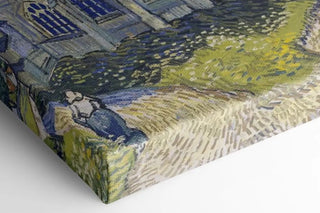
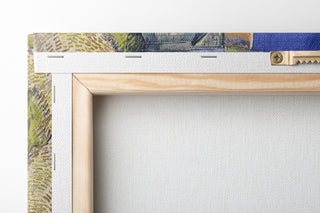
View from behind
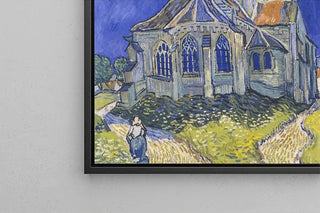
Frame (optional)
Procession of the Corpus Christi at Maria Lanzendorf - Hans Götzinger – Captivating Introduction
In a world where art intertwines with spirituality, "Procession of the Corpus Christi at Maria Lanzendorf" by Hans Götzinger stands as a compelling testament to the religious and cultural traditions of the early 20th century. This artwork, imbued with devotion and fervor, transports us to the heart of a celebration where the community gathers to honor the sacred. The vibrant colors and meticulous details of the scene evoke a festive atmosphere, inviting the viewer to immerse themselves in this meaningful procession. Götzinger, through this representation, does not merely depict an event; he captures the very essence of community life, paying homage to the faith and culture of his time.
Style and uniqueness of the work
Götzinger's style is distinguished by a realistic approach, combined with an almost impressionistic sensitivity. Each character in the procession is portrayed with precision that reveals not only their appearance but also their role within this collective event. The faces, clothing, and gestures are as many details that testify to human diversity and unity in faith. Light also plays a crucial role in this piece, creating shadows and reflections that add an almost spiritual dimension to the scene. The warm colors, blended with softer hues, evoke an atmosphere of serenity and contemplation, while celebrating the joy of this festival. Götzinger thus manages to strike a delicate balance between religious fervor and aesthetic beauty, offering the viewer a rich and emotional visual experience.
The artist and his influence
Hans Götzinger, a prominent figure in Austrian art, knew how to mark his era through his commitment to social and religious themes. Born in a context where art often had to conform to institutional expectations, Götzinger chose to break free from these constraints to explore subjects close to his heart. His ability to capture human emotions and transcribe them onto the canvas allowed him to reach a broad audience. Influenced by the great masters of
Art print of the Procession of Corpus Christi in Maria Lanzendorf - Hans Götzinger

-10% FROM €95 IN PURCHASES
-15% FROM €195 IN PURCHASES
Regular price
- Unit price
- per
Tax included.
Free shipping
€4.90 / Free shipping on orders over €39
Satisfied or Money Back
Free returns within 30 days
10-year warranty
Our prints are guaranteed for 10 years
Any questions? We are here!
by email to contact@artemlegrand.com
THE STEPS OF YOUR ORDER
STEP 1 - ORDER PLACED
Your order has been confirmed and we are starting production
STEP 2 - SHIPPING
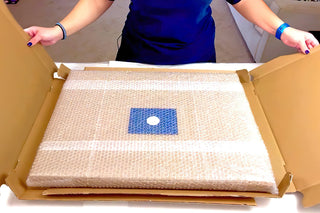
We ship your order. We send you an email to track the progress

STEP 3 - DELIVERY
You receive your order. You can also, according to your choice, be delivered to a relay point.
Matte finish
View from behind
Frame (optional)
Procession of the Corpus Christi at Maria Lanzendorf - Hans Götzinger – Captivating Introduction
In a world where art intertwines with spirituality, "Procession of the Corpus Christi at Maria Lanzendorf" by Hans Götzinger stands as a compelling testament to the religious and cultural traditions of the early 20th century. This artwork, imbued with devotion and fervor, transports us to the heart of a celebration where the community gathers to honor the sacred. The vibrant colors and meticulous details of the scene evoke a festive atmosphere, inviting the viewer to immerse themselves in this meaningful procession. Götzinger, through this representation, does not merely depict an event; he captures the very essence of community life, paying homage to the faith and culture of his time.
Style and uniqueness of the work
Götzinger's style is distinguished by a realistic approach, combined with an almost impressionistic sensitivity. Each character in the procession is portrayed with precision that reveals not only their appearance but also their role within this collective event. The faces, clothing, and gestures are as many details that testify to human diversity and unity in faith. Light also plays a crucial role in this piece, creating shadows and reflections that add an almost spiritual dimension to the scene. The warm colors, blended with softer hues, evoke an atmosphere of serenity and contemplation, while celebrating the joy of this festival. Götzinger thus manages to strike a delicate balance between religious fervor and aesthetic beauty, offering the viewer a rich and emotional visual experience.
The artist and his influence
Hans Götzinger, a prominent figure in Austrian art, knew how to mark his era through his commitment to social and religious themes. Born in a context where art often had to conform to institutional expectations, Götzinger chose to break free from these constraints to explore subjects close to his heart. His ability to capture human emotions and transcribe them onto the canvas allowed him to reach a broad audience. Influenced by the great masters of
12,34 €