
Painting Princess Marie Zu Hohenlohe-Schillingsfürst - Heinrich von Angeli


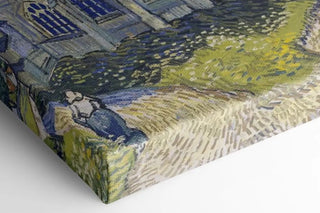
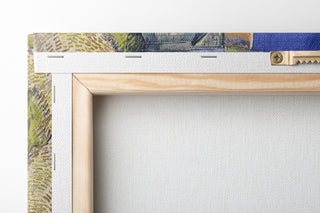
View from behind
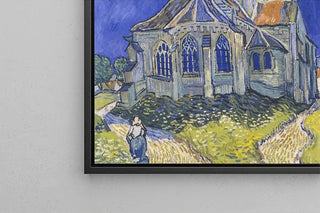
Frame (optional)
Captivating Introduction
In the rich and complex universe of art history, certain works stand out for their ability to capture the very essence of an era. The art print of Princess Marie Zu Hohenlohe-Schillingsfürst by Heinrich von Angeli is one of these iconic pieces. This portrait, created by the talented Heinrich von Angeli, evokes not only the beauty of its model but also the subtleties of a society in full transformation. Through this painting, the viewer is transported to a world where nobility and art meet, revealing the aspirations and values of an elite.
Style and uniqueness of the work
Heinrich von Angeli's style is characterized by an exceptional mastery of portraiture. In this piece, he manages to combine realism and idealization, bringing Princess Marie to life with extraordinary delicacy. The colors are carefully chosen, creating an atmosphere that is both intimate and majestic. The piercing gaze of the princess seems to tell a story, an invitation to discover her inner world. The fluidity of the drapery and the precision of the details testify to a refined technique, typical of the artist. Each brushstroke appears imbued with intention, a search for truth in human representation. This portrait stands out for its skill in transcending mere visual to become a true exploration of personality and the subject's status.
The artist and his influence
Heinrich von Angeli, born in 1840, is an artist whose career is marked by a deep connection with European nobility. Raised in an artistic environment, he established himself as one of the most prominent portraitists of his time. His approach to portraiture goes beyond simple representation; it is a quest to capture the soul of the characters he paints. Angeli was also influenced by the artistic currents of his era, integrating elements of Romanticism and Realism into his work. His ability to fuse these styles allowed his works to resonate with a broad audience, making him a true witness of his time. Through his portraits, he not only immortalized historical figures but also contributed
Painting Princess Marie Zu Hohenlohe-Schillingsfürst - Heinrich von Angeli

-10% FROM €95 IN PURCHASES
-15% FROM €195 IN PURCHASES
Regular price
- Unit price
- per
Tax included.
Free shipping
€4.90 / Free shipping on orders over €39
Satisfied or Money Back
Free returns within 30 days
10-year warranty
Our prints are guaranteed for 10 years
Any questions? We are here!
by email to contact@artemlegrand.com
THE STEPS OF YOUR ORDER
STEP 1 - ORDER PLACED
Your order has been confirmed and we are starting production
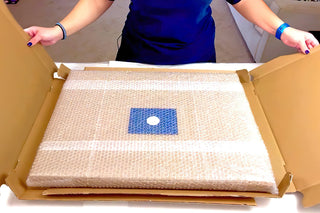
STEP 2 - SHIPPING
We ship your order. We send you an email to track the progress

STEP 3 - DELIVERY
You receive your order. You can also, according to your choice, be delivered to a relay point.
Matte finish
View from behind
Frame (optional)
Captivating Introduction
In the rich and complex universe of art history, certain works stand out for their ability to capture the very essence of an era. The art print of Princess Marie Zu Hohenlohe-Schillingsfürst by Heinrich von Angeli is one of these iconic pieces. This portrait, created by the talented Heinrich von Angeli, evokes not only the beauty of its model but also the subtleties of a society in full transformation. Through this painting, the viewer is transported to a world where nobility and art meet, revealing the aspirations and values of an elite.
Style and uniqueness of the work
Heinrich von Angeli's style is characterized by an exceptional mastery of portraiture. In this piece, he manages to combine realism and idealization, bringing Princess Marie to life with extraordinary delicacy. The colors are carefully chosen, creating an atmosphere that is both intimate and majestic. The piercing gaze of the princess seems to tell a story, an invitation to discover her inner world. The fluidity of the drapery and the precision of the details testify to a refined technique, typical of the artist. Each brushstroke appears imbued with intention, a search for truth in human representation. This portrait stands out for its skill in transcending mere visual to become a true exploration of personality and the subject's status.
The artist and his influence
Heinrich von Angeli, born in 1840, is an artist whose career is marked by a deep connection with European nobility. Raised in an artistic environment, he established himself as one of the most prominent portraitists of his time. His approach to portraiture goes beyond simple representation; it is a quest to capture the soul of the characters he paints. Angeli was also influenced by the artistic currents of his era, integrating elements of Romanticism and Realism into his work. His ability to fuse these styles allowed his works to resonate with a broad audience, making him a true witness of his time. Through his portraits, he not only immortalized historical figures but also contributed
12,34 €