
Art print The Prince Eugene marches into Bosnia in 1697 - Karl von Blaas | Art print


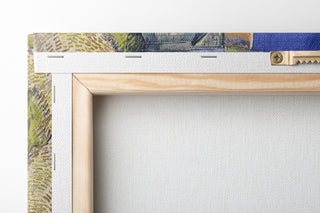
View from behind
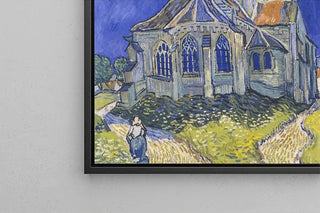
Frame (optional)
In the vast panorama of art history, some works manage to capture not only the essence of an era but also the significant events that shaped the destiny of nations. "The Prince Eugene travels to Bosnia in 1697" by Karl von Blaas is one of these iconic pieces. This canvas, which evokes a key moment in European military history, transports the viewer to the heart of the intrigues and battles of the 17th century. Through this artwork, the painter does not merely depict a historical figure; he invites us to feel the tension, heroism, and determination that animated Prince Eugene of Savoy during his campaigns. The scene, rich in detail and emotion, stands as a visual testament to the power struggles of the time.
Style and uniqueness of the work
Karl von Blaas's style is distinguished by his ability to blend realism with a certain idealization of historical figures. In "The Prince Eugene travels to Bosnia in 1697," each element of the composition is carefully designed to convey an atmosphere of grandeur. The colors, both vivid and nuanced, heighten the drama of the scene. The characters, dressed in period costumes, are rendered with a precision that demonstrates a deep respect for historical heritage. Light plays a crucial role, illuminating the prince's face while creating shadows that enhance the depth of the scene. This artwork is not just a portrait; it is a celebration of bravery and leadership, highlighting the charisma of Prince Eugene while evoking the tumultuous context of his era.
The artist and his influence
Karl von Blaas, a 19th-century Austrian artist, is often recognized for his talent in depicting historical scenes with great fidelity. Trained in Europe's top academies, he developed a style that combines classicism and romanticism. His work is marked by meticulous attention to detail and a passion for history. By choosing to paint significant moments, such as that of Prince Eugene, he contributes to the collective memory of historical events, while enriching the artistic heritage.
Art print The Prince Eugene marches into Bosnia in 1697 - Karl von Blaas | Art print

-10% FROM €95 IN PURCHASES
-15% FROM €195 IN PURCHASES
Regular price
- Unit price
- per
Tax included.
Free shipping
€4.90 / Free shipping on orders over €39
Satisfied or Money Back
Free returns within 30 days
10-year warranty
Our prints are guaranteed for 10 years
Any questions? We are here!
by email to contact@artemlegrand.com
THE STEPS OF YOUR ORDER

STEP 1 - ORDER PLACED
Your order has been confirmed and we are starting production
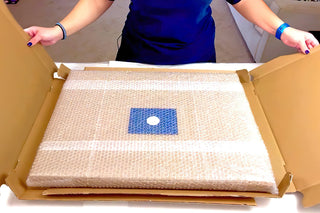
STEP 2 - SHIPPING
We ship your order. We send you an email to track the progress

STEP 3 - DELIVERY
You receive your order. You can also, according to your choice, be delivered to a relay point.
Matte finish
View from behind
Frame (optional)
In the vast panorama of art history, some works manage to capture not only the essence of an era but also the significant events that shaped the destiny of nations. "The Prince Eugene travels to Bosnia in 1697" by Karl von Blaas is one of these iconic pieces. This canvas, which evokes a key moment in European military history, transports the viewer to the heart of the intrigues and battles of the 17th century. Through this artwork, the painter does not merely depict a historical figure; he invites us to feel the tension, heroism, and determination that animated Prince Eugene of Savoy during his campaigns. The scene, rich in detail and emotion, stands as a visual testament to the power struggles of the time.
Style and uniqueness of the work
Karl von Blaas's style is distinguished by his ability to blend realism with a certain idealization of historical figures. In "The Prince Eugene travels to Bosnia in 1697," each element of the composition is carefully designed to convey an atmosphere of grandeur. The colors, both vivid and nuanced, heighten the drama of the scene. The characters, dressed in period costumes, are rendered with a precision that demonstrates a deep respect for historical heritage. Light plays a crucial role, illuminating the prince's face while creating shadows that enhance the depth of the scene. This artwork is not just a portrait; it is a celebration of bravery and leadership, highlighting the charisma of Prince Eugene while evoking the tumultuous context of his era.
The artist and his influence
Karl von Blaas, a 19th-century Austrian artist, is often recognized for his talent in depicting historical scenes with great fidelity. Trained in Europe's top academies, he developed a style that combines classicism and romanticism. His work is marked by meticulous attention to detail and a passion for history. By choosing to paint significant moments, such as that of Prince Eugene, he contributes to the collective memory of historical events, while enriching the artistic heritage.
12,34 €