
Portrait of Olive Craster - Nathaniel Dance-Holland | Art print


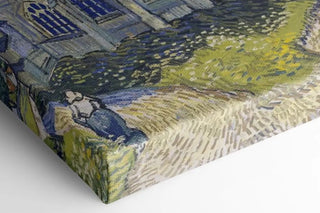
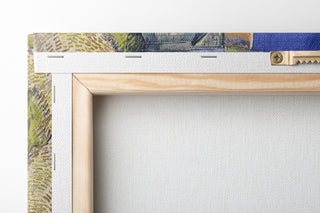
View from behind
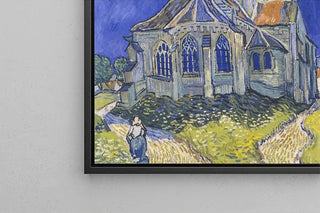
Frame (optional)
The "Portrait of Olive Craster" by Nathaniel Dance-Holland is an iconic artwork that immerses the viewer in the intimacy of a moment frozen in time. Created in the 18th century, this painting embodies not only the undeniable talent of the artist but also the very essence of an era when the portrait was a reflection of social stature and personality. Gazing upon this piece, one feels a special connection with Olive Craster, a figure who, beyond her appearance, evokes deeply human stories and emotions. The finesse of the details and the richness of the colors transport the observer into a world where art and life intersect in a striking manner.
Style and uniqueness of the work
Nathaniel Dance-Holland's style is distinguished by its elegance and ability to capture light and shadow with remarkable precision. In the "Portrait of Olive Craster," the artist employs chiaroscuro techniques that accentuate the delicate features of her face, creating an atmosphere that is both gentle and vibrant. The composition is carefully balanced, with each element having its place, contributing to the overall harmony of the piece. Olive's richly detailed clothing showcases the textile craftsmanship of the period, while her serene and contemplative expression invites reflection. This portrait does not merely depict a person; it tells a story, that of a woman of her time, while transcending eras through its timeless beauty.
The artist and his influence
Nathaniel Dance-Holland, born in 1735, was a British painter whose work left a mark on his era. Trained at the Royal Academy, he established himself as a renowned portraitist, attracting the attention of aristocracy and high society. His ability to combine realism and idealization made him a pioneer in the field of portraiture. Dance-Holland also had a notable influence on his contemporaries, inspiring other artists to explore the subtleties of human representation. His innovative approach, which emphasizes the expression of emotions and the psychology of characters, paved the way for a new way of perceiving the portrait, moving away from
Portrait of Olive Craster - Nathaniel Dance-Holland | Art print

-10% FROM €95 IN PURCHASES
-15% FROM €195 IN PURCHASES
Regular price
- Unit price
- per
Tax included.
Free shipping
€4.90 / Free shipping on orders over €39
Satisfied or Money Back
Free returns within 30 days
10-year warranty
Our prints are guaranteed for 10 years
Any questions? We are here!
by email to contact@artemlegrand.com
THE STEPS OF YOUR ORDER

STEP 1 - ORDER PLACED
Your order has been confirmed and we are starting production
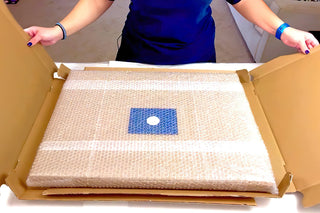
STEP 2 - SHIPPING
We ship your order. We send you an email to track the progress

STEP 3 - DELIVERY
You receive your order. You can also, according to your choice, be delivered to a relay point.
Matte finish
View from behind
Frame (optional)
The "Portrait of Olive Craster" by Nathaniel Dance-Holland is an iconic artwork that immerses the viewer in the intimacy of a moment frozen in time. Created in the 18th century, this painting embodies not only the undeniable talent of the artist but also the very essence of an era when the portrait was a reflection of social stature and personality. Gazing upon this piece, one feels a special connection with Olive Craster, a figure who, beyond her appearance, evokes deeply human stories and emotions. The finesse of the details and the richness of the colors transport the observer into a world where art and life intersect in a striking manner.
Style and uniqueness of the work
Nathaniel Dance-Holland's style is distinguished by its elegance and ability to capture light and shadow with remarkable precision. In the "Portrait of Olive Craster," the artist employs chiaroscuro techniques that accentuate the delicate features of her face, creating an atmosphere that is both gentle and vibrant. The composition is carefully balanced, with each element having its place, contributing to the overall harmony of the piece. Olive's richly detailed clothing showcases the textile craftsmanship of the period, while her serene and contemplative expression invites reflection. This portrait does not merely depict a person; it tells a story, that of a woman of her time, while transcending eras through its timeless beauty.
The artist and his influence
Nathaniel Dance-Holland, born in 1735, was a British painter whose work left a mark on his era. Trained at the Royal Academy, he established himself as a renowned portraitist, attracting the attention of aristocracy and high society. His ability to combine realism and idealization made him a pioneer in the field of portraiture. Dance-Holland also had a notable influence on his contemporaries, inspiring other artists to explore the subtleties of human representation. His innovative approach, which emphasizes the expression of emotions and the psychology of characters, paved the way for a new way of perceiving the portrait, moving away from
12,34 €