
Painting Portrait of Zosia Kraszewska 1863 - Leopold Horowitz | Art print


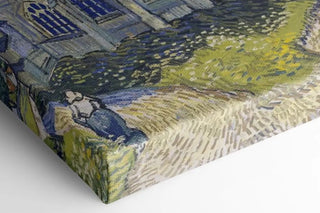
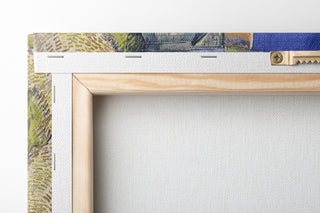
View from behind
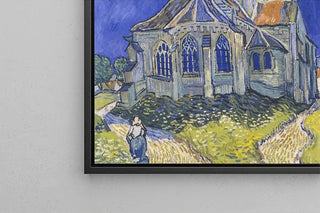
Frame (optional)
The "Portrait of Zosia Kraszewska" created in 1863 by Leopold Horowitz is a work that transcends the simple frame of painting to immerse the viewer in an atmosphere filled with delicacy and mystery. This painting, depicting a young woman with a contemplative gaze, evokes deep emotions and palpable intimacy. Zosia, the central figure of this composition, seems to capture the very essence of her era, blending elegance and melancholy. Through this artwork, Horowitz manages to establish a dialogue between the subject and the viewer, inviting each to reflect on the thoughts and dreams that inhabit this young woman. The beauty of the portrait lies not only in its technique but also in the psychological depth it conveys.
Style and uniqueness of the work
Leopold Horowitz's style is characterized by remarkable finesse and particular attention to detail. In this portrait, the nuances of soft colors and the play of light highlight Zosia's delicate features, while creating an atmosphere of serenity. The artist skillfully uses subtle shadows to add volume and depth to his subject, making the portrait come alive. The composition is carefully thought out, with each element in its place to reinforce the overall harmony of the work. The texture of Zosia's clothing, as well as the softness of her face, testify to exceptional craftsmanship, revealing a technical mastery that has made Horowitz renowned. This painting is a true ode to feminine beauty, while also incorporating elements of daily life in the 19th century, making it all the more fascinating.
The artist and his influence
Leopold Horowitz, a painter of Polish origin, established himself as a major figure in 19th-century art. His career, marked by a constant exploration of themes of beauty and introspection, was influenced by the artistic currents of his time, notably Romanticism. Horowitz was able to translate into his works a unique sensitivity, capturing moments of life with rare emotional intensity. His approach to portraiture, which combines realism and idealization, has inspired many contemporary artists and left a lasting imprint.
Painting Portrait of Zosia Kraszewska 1863 - Leopold Horowitz | Art print

-10% FROM €95 IN PURCHASES
-15% FROM €195 IN PURCHASES
Regular price
- Unit price
- per
Tax included.
Free shipping
€4.90 / Free shipping on orders over €39
Satisfied or Money Back
Free returns within 30 days
10-year warranty
Our prints are guaranteed for 10 years
Any questions? We are here!
by email to contact@artemlegrand.com
THE STEPS OF YOUR ORDER

STEP 1 - ORDER PLACED
Your order has been confirmed and we are starting production
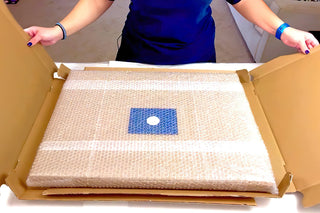
STEP 2 - SHIPPING
We ship your order. We send you an email to track the progress

STEP 3 - DELIVERY
You receive your order. You can also, according to your choice, be delivered to a relay point.
Matte finish
View from behind
Frame (optional)
The "Portrait of Zosia Kraszewska" created in 1863 by Leopold Horowitz is a work that transcends the simple frame of painting to immerse the viewer in an atmosphere filled with delicacy and mystery. This painting, depicting a young woman with a contemplative gaze, evokes deep emotions and palpable intimacy. Zosia, the central figure of this composition, seems to capture the very essence of her era, blending elegance and melancholy. Through this artwork, Horowitz manages to establish a dialogue between the subject and the viewer, inviting each to reflect on the thoughts and dreams that inhabit this young woman. The beauty of the portrait lies not only in its technique but also in the psychological depth it conveys.
Style and uniqueness of the work
Leopold Horowitz's style is characterized by remarkable finesse and particular attention to detail. In this portrait, the nuances of soft colors and the play of light highlight Zosia's delicate features, while creating an atmosphere of serenity. The artist skillfully uses subtle shadows to add volume and depth to his subject, making the portrait come alive. The composition is carefully thought out, with each element in its place to reinforce the overall harmony of the work. The texture of Zosia's clothing, as well as the softness of her face, testify to exceptional craftsmanship, revealing a technical mastery that has made Horowitz renowned. This painting is a true ode to feminine beauty, while also incorporating elements of daily life in the 19th century, making it all the more fascinating.
The artist and his influence
Leopold Horowitz, a painter of Polish origin, established himself as a major figure in 19th-century art. His career, marked by a constant exploration of themes of beauty and introspection, was influenced by the artistic currents of his time, notably Romanticism. Horowitz was able to translate into his works a unique sensitivity, capturing moments of life with rare emotional intensity. His approach to portraiture, which combines realism and idealization, has inspired many contemporary artists and left a lasting imprint.
12,34 €