
Painting Portrait of the Mayor of Olomouc - Frigyes Friedrich Miess | Art print


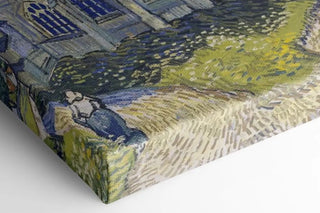
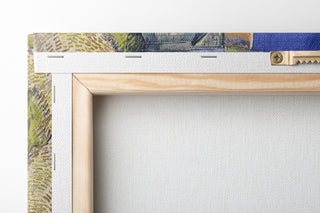
View from behind
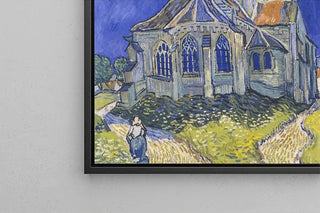
Frame (optional)
Portrait of the Mayor of Olomouc - Frigyes Friedrich Miess – Captivating Introduction
The "Portrait of the Mayor of Olomouc" by Frigyes Friedrich Miess is a work that transcends the simple frame of a painting to become a true window into the history and culture of a bygone era. Created in the 19th century, this art print embodies not only the face of a man but also the values and aspirations of a city in full transformation. The piece stands out for its ability to capture the essence of a public figure, while offering a reflection on the role of art in representing power and identity. Through this art print, viewers are invited to immerse themselves in a universe where art and politics intersect, revealing the subtleties of a rich past.
Style and uniqueness of the work
Miess's style is characterized by technical mastery that combines realism and sensitivity. In this portrait, every detail, from the piercing gaze of the mayor to the texture of the clothing, demonstrates meticulous attention to representation. The interplay of light and shadow, skillfully orchestrated, gives the figure an almost tangible depth, while the chosen colors evoke an atmosphere that is both solemn and warm. The artist manages to breathe life into his subject, making the Mayor of Olomouc not only recognizable but also endearing. This art print stands out for its ability to establish an emotional connection between the portrayed and the viewer, thus transcending the simple conventions of a classic portrait.
The artist and his influence
Frigyes Friedrich Miess, a Hungarian-born painter, established himself on the European artistic scene through his innovative approach to portraiture. Trained in academic traditions, he was also influenced by emerging artistic movements of his time, incorporating elements of romanticism and realism into his works. Miess had a significant impact on how portraits were perceived, emphasizing the personality and individuality of his subjects. His work paved the way for a new understanding of art portraiture, where the subject is more than just a representative of their status, but becomes a true protagonist in a visual narrative. Through his portraits, Miess contributed to redefining
Painting Portrait of the Mayor of Olomouc - Frigyes Friedrich Miess | Art print

-10% FROM €95 IN PURCHASES
-15% FROM €195 IN PURCHASES
Regular price
- Unit price
- by
Free shipping
€4.90 / Free shipping on orders over €39
Satisfied or Money Back
Free returns within 30 days
10-year warranty
Our prints are guaranteed for 10 years
Any questions? We are here!
by email to contact@artemlegrand.com
THE STEPS OF YOUR ORDER
STEP 1 - ORDER PLACED
Your order has been confirmed and we are starting production
STEP 2 - SHIPPING
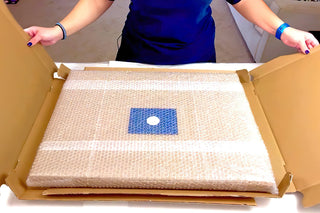
We ship your order. We send you an email to track the progress

STEP 3 - DELIVERY
You receive your order. You can also, according to your choice, be delivered to a relay point.
Matte finish
View from behind
Frame (optional)
Portrait of the Mayor of Olomouc - Frigyes Friedrich Miess – Captivating Introduction
The "Portrait of the Mayor of Olomouc" by Frigyes Friedrich Miess is a work that transcends the simple frame of a painting to become a true window into the history and culture of a bygone era. Created in the 19th century, this art print embodies not only the face of a man but also the values and aspirations of a city in full transformation. The piece stands out for its ability to capture the essence of a public figure, while offering a reflection on the role of art in representing power and identity. Through this art print, viewers are invited to immerse themselves in a universe where art and politics intersect, revealing the subtleties of a rich past.
Style and uniqueness of the work
Miess's style is characterized by technical mastery that combines realism and sensitivity. In this portrait, every detail, from the piercing gaze of the mayor to the texture of the clothing, demonstrates meticulous attention to representation. The interplay of light and shadow, skillfully orchestrated, gives the figure an almost tangible depth, while the chosen colors evoke an atmosphere that is both solemn and warm. The artist manages to breathe life into his subject, making the Mayor of Olomouc not only recognizable but also endearing. This art print stands out for its ability to establish an emotional connection between the portrayed and the viewer, thus transcending the simple conventions of a classic portrait.
The artist and his influence
Frigyes Friedrich Miess, a Hungarian-born painter, established himself on the European artistic scene through his innovative approach to portraiture. Trained in academic traditions, he was also influenced by emerging artistic movements of his time, incorporating elements of romanticism and realism into his works. Miess had a significant impact on how portraits were perceived, emphasizing the personality and individuality of his subjects. His work paved the way for a new understanding of art portraiture, where the subject is more than just a representative of their status, but becomes a true protagonist in a visual narrative. Through his portraits, Miess contributed to redefining