
Painting Portrait of a Man - Hans Brosamer | Art print


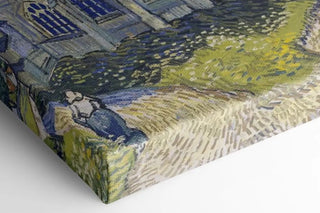
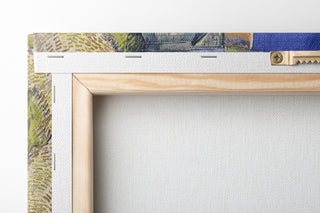
View from behind
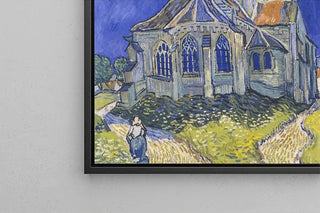
Frame (optional)
Portrait of a man - Hans Brosamer – Captivating introduction
The "Portrait of a man" by Hans Brosamer is a fascinating artwork that evokes the very essence of the German Renaissance. This painting, imbued with mystery and psychological depth, captures the eye and sparks curiosity. Through this portrait, the artist manages to capture not only the physical features of his subject but also a part of his soul. The atmosphere emanating from this piece is both intimate and universal, transporting us to a bygone era when art served as a mirror to the human condition. This masterpiece, through its evocative power, invites us to explore the nuances of human personality and to reflect on our own identity.
Style and uniqueness of the work
Brosamer's style is characterized by remarkable finesse and meticulous attention to detail. Every element of the "Portrait of a man" demonstrates technical skill that transcends mere realism. The play of light and shadow, as well as the texture of the clothing, creates an illusion of depth and volume that brings the painting to life. The subject's face, with its expressive features and penetrating gaze, seems almost animated with a life of its own. The color palette, subtle and harmonious, also contributes to the atmosphere of the work, enhancing its emotional impact. This stylistic singularity makes Brosamer a master of his time, capable of merging aesthetics and emotion into a timeless work.
The artist and his influence
Hans Brosamer, active in the 16th century, is often regarded as one of the greatest portraitists of the German Renaissance. His work is part of a rich artistic context, where influences from Italy and Northern Europe blend to create a new visual language. Brosamer mastered these influences while developing a personal style, marked by a particular sensitivity towards his subjects. His work inspired many artists of his time and subsequent generations, establishing a bridge between medieval tradition and Renaissance innovations. Through his portraits, he not only documented the appearance of individuals but also contributed to shaping the way art was perceived as a reflection of society.
An exceptional wall decoration signed
Painting Portrait of a Man - Hans Brosamer | Art print

-10% FROM €95 IN PURCHASES
-15% FROM €195 IN PURCHASES
Regular price
- Unit price
- per
Tax included.
Free shipping
€4.90 / Free shipping on orders over €39
Satisfied or Money Back
Free returns within 30 days
10-year warranty
Our prints are guaranteed for 10 years
Any questions? We are here!
by email to contact@artemlegrand.com
THE STEPS OF YOUR ORDER

STEP 1 - ORDER PLACED
Your order has been confirmed and we are starting production
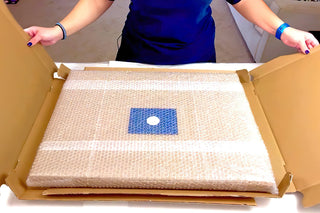
STEP 2 - SHIPPING
We ship your order. We send you an email to track the progress

STEP 3 - DELIVERY
You receive your order. You can also, according to your choice, be delivered to a relay point.
Matte finish
View from behind
Frame (optional)
Portrait of a man - Hans Brosamer – Captivating introduction
The "Portrait of a man" by Hans Brosamer is a fascinating artwork that evokes the very essence of the German Renaissance. This painting, imbued with mystery and psychological depth, captures the eye and sparks curiosity. Through this portrait, the artist manages to capture not only the physical features of his subject but also a part of his soul. The atmosphere emanating from this piece is both intimate and universal, transporting us to a bygone era when art served as a mirror to the human condition. This masterpiece, through its evocative power, invites us to explore the nuances of human personality and to reflect on our own identity.
Style and uniqueness of the work
Brosamer's style is characterized by remarkable finesse and meticulous attention to detail. Every element of the "Portrait of a man" demonstrates technical skill that transcends mere realism. The play of light and shadow, as well as the texture of the clothing, creates an illusion of depth and volume that brings the painting to life. The subject's face, with its expressive features and penetrating gaze, seems almost animated with a life of its own. The color palette, subtle and harmonious, also contributes to the atmosphere of the work, enhancing its emotional impact. This stylistic singularity makes Brosamer a master of his time, capable of merging aesthetics and emotion into a timeless work.
The artist and his influence
Hans Brosamer, active in the 16th century, is often regarded as one of the greatest portraitists of the German Renaissance. His work is part of a rich artistic context, where influences from Italy and Northern Europe blend to create a new visual language. Brosamer mastered these influences while developing a personal style, marked by a particular sensitivity towards his subjects. His work inspired many artists of his time and subsequent generations, establishing a bridge between medieval tradition and Renaissance innovations. Through his portraits, he not only documented the appearance of individuals but also contributed to shaping the way art was perceived as a reflection of society.
An exceptional wall decoration signed
12,34 €