
Portrait of the County Court Judge Jens C. Delphin - Matthias Stoltenberg | Art print


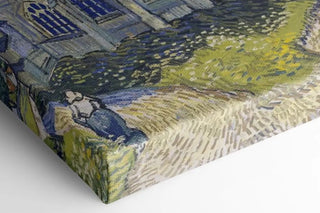
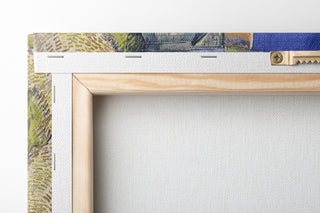
View from behind
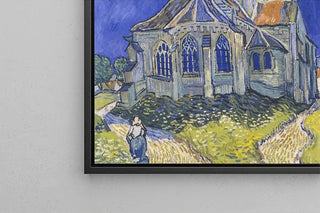
Frame (optional)
Portrait of the county court judge Jens C. Delphin - Matthias Stoltenberg – Captivating introduction
At the heart of art history, some works stand out for their ability to capture the essence of an era and an individual. The "Portrait of the county court judge Jens C. Delphin" by Matthias Stoltenberg is one of these iconic pieces. This artwork not only depicts a historical figure but also evokes profound themes such as justice, authority, and human dignity. By contemplating this portrait, the viewer is transported to the 18th century, a time when portrait painting was a means of asserting social status and personal values. The art print of this piece allows us to rediscover this pivotal moment in art and society, while offering a window into the personality of Judge Delphin, whose gaze seems to tell a multitude of stories.
Style and uniqueness of the work
Matthias Stoltenberg's style is characterized by a remarkable mastery of pictorial techniques, which give his portraits an almost lifelike dimension. In the "Portrait of the county court judge Jens C. Delphin," the artist uses rich colors and nuanced textures to create an atmosphere of depth and realism. The judge's face, carefully detailed, expresses serenity mixed with a certain gravity, reflecting his role in society. The drapery of his clothing, rendered with meticulous precision, adds a touch of refinement to the overall composition, while the sober and elegant background highlights the central figure without distracting. This art print is not limited to a simple representation; it is a psychological study that reveals the complexity of the man behind the magistrate. Every brushstroke seems to invite reflection on Delphin's character and values, while celebrating the art of portraiture at its peak.
The artist and his influence
Matthias Stoltenberg, a prominent figure of neoclassical painting, established himself through his talent and artistic sensitivity. Trained in the academic traditions of his time, he developed a style that combines rigor and expressiveness, which allowed him to
Portrait of the County Court Judge Jens C. Delphin - Matthias Stoltenberg | Art print

-10% FROM €95 IN PURCHASES
-15% FROM €195 IN PURCHASES
Regular price
- Unit price
- per
Tax included.
Free shipping
€4.90 / Free shipping on orders over €39
Satisfied or Money Back
Free returns within 30 days
10-year warranty
Our prints are guaranteed for 10 years
Any questions? We are here!
by email to contact@artemlegrand.com
THE STEPS OF YOUR ORDER

STEP 1 - ORDER PLACED
Your order has been confirmed and we are starting production
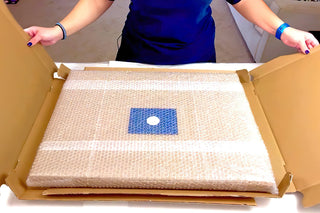
STEP 2 - SHIPPING
We ship your order. We send you an email to track the progress

STEP 3 - DELIVERY
You receive your order. You can also, according to your choice, be delivered to a relay point.
Matte finish
View from behind
Frame (optional)
Portrait of the county court judge Jens C. Delphin - Matthias Stoltenberg – Captivating introduction
At the heart of art history, some works stand out for their ability to capture the essence of an era and an individual. The "Portrait of the county court judge Jens C. Delphin" by Matthias Stoltenberg is one of these iconic pieces. This artwork not only depicts a historical figure but also evokes profound themes such as justice, authority, and human dignity. By contemplating this portrait, the viewer is transported to the 18th century, a time when portrait painting was a means of asserting social status and personal values. The art print of this piece allows us to rediscover this pivotal moment in art and society, while offering a window into the personality of Judge Delphin, whose gaze seems to tell a multitude of stories.
Style and uniqueness of the work
Matthias Stoltenberg's style is characterized by a remarkable mastery of pictorial techniques, which give his portraits an almost lifelike dimension. In the "Portrait of the county court judge Jens C. Delphin," the artist uses rich colors and nuanced textures to create an atmosphere of depth and realism. The judge's face, carefully detailed, expresses serenity mixed with a certain gravity, reflecting his role in society. The drapery of his clothing, rendered with meticulous precision, adds a touch of refinement to the overall composition, while the sober and elegant background highlights the central figure without distracting. This art print is not limited to a simple representation; it is a psychological study that reveals the complexity of the man behind the magistrate. Every brushstroke seems to invite reflection on Delphin's character and values, while celebrating the art of portraiture at its peak.
The artist and his influence
Matthias Stoltenberg, a prominent figure of neoclassical painting, established himself through his talent and artistic sensitivity. Trained in the academic traditions of his time, he developed a style that combines rigor and expressiveness, which allowed him to
12,34 €