
Painting Portrait of the Honorable Mrs. Boyle - Joseph Wright of Derby | Art print


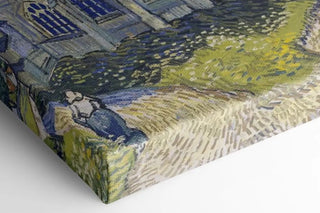
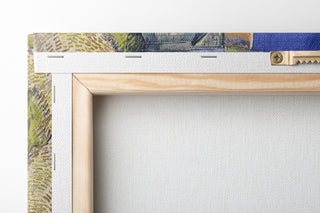
View from behind
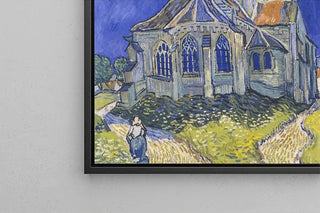
Frame (optional)
Portrait of the Honorable Mrs. Boyle - Joseph Wright of Derby – Captivating Introduction
In the fascinating world of 18th-century English painting, the artwork "Portrait of the Honorable Mrs. Boyle" by Joseph Wright of Derby stands out for its elegance and psychological depth. This painting, which captures the essence of a high-society woman, transports us to an era where art and science intertwined, revealing the aspirations and concerns of a society in full transformation. The depiction of Mrs. Boyle, both majestic and approachable, invites us to engage in a visual dialogue that transcends time, showcasing Wright's virtuosity and his skill in immortalizing beauty while subtly suggesting introspection.
Style and uniqueness of the work
The uniqueness of this piece lies in how Joseph Wright of Derby plays with light and shadow, a characteristic element of his style. The chiaroscuro technique, which emphasizes contrasts between illuminated and dark areas, gives an almost theatrical dimension to the composition. In the portrait of Mrs. Boyle, the light highlights the delicate features of her face and the sparkle of her dress, while shadows envelop the background, creating an intimate and contemplative atmosphere. This masterful use of light not only emphasizes the physical beauty of the subject but also evokes emotional depth that invites the viewer to ponder the thoughts and feelings animating the protagonist. Thus, every detail, from the sparkling jewelry to the pensive expression, contributes to forging an emotional connection between the artwork and its observer.
The artist and his influence
Joseph Wright of Derby, often regarded as a precursor of the Romantic movement, knew how to leave his mark on his era through an innovative approach to portrait painting. Born in a rapidly intellectualizing England, he absorbed Enlightenment ideas, integrating scientific and philosophical themes into his works. Wright was also a keen observer of his environment, and his portraits reflect not only the fashion and social status of his contemporaries but also the aspirations of a society seeking knowledge and progress. His influence extends to
Painting Portrait of the Honorable Mrs. Boyle - Joseph Wright of Derby | Art print

-10% FROM €95 IN PURCHASES
-15% FROM €195 IN PURCHASES
Regular price
- Unit price
- per
Tax included.
Free shipping
€4.90 / Free shipping on orders over €39
Satisfied or Money Back
Free returns within 30 days
10-year warranty
Our prints are guaranteed for 10 years
Any questions? We are here!
by email to contact@artemlegrand.com
THE STEPS OF YOUR ORDER

STEP 1 - ORDER PLACED
Your order has been confirmed and we are starting production
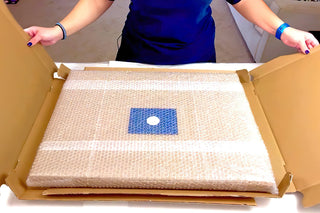
STEP 2 - SHIPPING
We ship your order. We send you an email to track the progress

STEP 3 - DELIVERY
You receive your order. You can also, according to your choice, be delivered to a relay point.
Matte finish
View from behind
Frame (optional)
Portrait of the Honorable Mrs. Boyle - Joseph Wright of Derby – Captivating Introduction
In the fascinating world of 18th-century English painting, the artwork "Portrait of the Honorable Mrs. Boyle" by Joseph Wright of Derby stands out for its elegance and psychological depth. This painting, which captures the essence of a high-society woman, transports us to an era where art and science intertwined, revealing the aspirations and concerns of a society in full transformation. The depiction of Mrs. Boyle, both majestic and approachable, invites us to engage in a visual dialogue that transcends time, showcasing Wright's virtuosity and his skill in immortalizing beauty while subtly suggesting introspection.
Style and uniqueness of the work
The uniqueness of this piece lies in how Joseph Wright of Derby plays with light and shadow, a characteristic element of his style. The chiaroscuro technique, which emphasizes contrasts between illuminated and dark areas, gives an almost theatrical dimension to the composition. In the portrait of Mrs. Boyle, the light highlights the delicate features of her face and the sparkle of her dress, while shadows envelop the background, creating an intimate and contemplative atmosphere. This masterful use of light not only emphasizes the physical beauty of the subject but also evokes emotional depth that invites the viewer to ponder the thoughts and feelings animating the protagonist. Thus, every detail, from the sparkling jewelry to the pensive expression, contributes to forging an emotional connection between the artwork and its observer.
The artist and his influence
Joseph Wright of Derby, often regarded as a precursor of the Romantic movement, knew how to leave his mark on his era through an innovative approach to portrait painting. Born in a rapidly intellectualizing England, he absorbed Enlightenment ideas, integrating scientific and philosophical themes into his works. Wright was also a keen observer of his environment, and his portraits reflect not only the fashion and social status of his contemporaries but also the aspirations of a society seeking knowledge and progress. His influence extends to
12,34 €