
Painting Portrait of the artist's sister, Katharina - Wilhelm Leibl | Art print


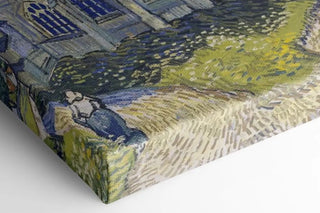
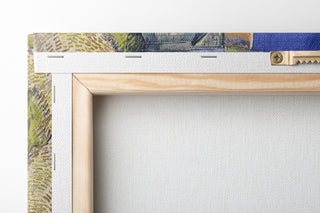
View from behind
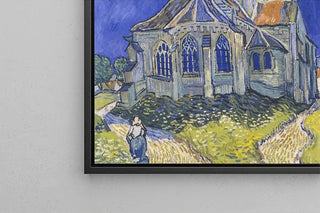
Frame (optional)
Wilhelm Leibl's "Portrait of the artist's sister, Katharina" is a work that transcends the simple frame of a portrait to offer a true window into the artist's family intimacy. Captured at the end of the 19th century, this canvas bears witness to an era where realism took precedence over academic conventions. Leibl, a master of portraiture, succeeds in immortalizing not only his sister's appearance but also the very essence of their fraternal bond. The piece invites the viewer to immerse themselves in a suspended moment, where each exchanged glance seems charged with emotion and shared memories. The soft light caressing Katharina's face evokes an atmosphere that is both warm and melancholic, making this art print all the more captivating.
Style and uniqueness of the work
Wilhelm Leibl's style is distinguished by his ability to combine realism and sensitivity. In this portrait, he deploys a palette of delicate colors, using warm tones that highlight his sister's natural beauty. The treatment of shadows and highlights is particularly meticulous, creating a depth effect that brings the canvas to life. Leibl does not merely depict Katharina; he captures an emotion, an atmosphere. The posture of the young woman, slightly turned towards the viewer, along with her pensive expression, evoke a rich and complex inner world. This psychological approach to the art print, where the subject seems both present and distant, is a major characteristic of Leibl's work. Furthermore, the precision of details, from the textures of clothing to the nuances of the complexion, demonstrates remarkable technical mastery, making this art print a centerpiece of German realism.
The artist and his influence
Wilhelm Leibl, an emblematic figure of the realist movement, left his mark on his era with his unique vision of art. Born in 1844, he established himself as a leading painter, influencing many contemporary and future artists. His ability to capture humanity in his subjects, whether they are family members or peasants, paved the way for a new approach to portraiture. Leibl was often in pursuit of authenticity, seeking to represent
Painting Portrait of the artist's sister, Katharina - Wilhelm Leibl | Art print

-10% FROM €95 IN PURCHASES
-15% FROM €195 IN PURCHASES
Regular price
- Unit price
- per
Tax included.
Free shipping
€4.90 / Free shipping on orders over €39
Satisfied or Money Back
Free returns within 30 days
10-year warranty
Our prints are guaranteed for 10 years
Any questions? We are here!
by email to contact@artemlegrand.com
THE STEPS OF YOUR ORDER
STEP 1 - ORDER PLACED
Your order has been confirmed and we are starting production
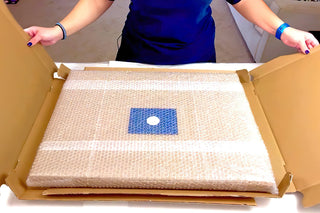
STEP 2 - SHIPPING
We ship your order. We send you an email to track the progress

STEP 3 - DELIVERY
You receive your order. You can also, according to your choice, be delivered to a relay point.
Matte finish
View from behind
Frame (optional)
Wilhelm Leibl's "Portrait of the artist's sister, Katharina" is a work that transcends the simple frame of a portrait to offer a true window into the artist's family intimacy. Captured at the end of the 19th century, this canvas bears witness to an era where realism took precedence over academic conventions. Leibl, a master of portraiture, succeeds in immortalizing not only his sister's appearance but also the very essence of their fraternal bond. The piece invites the viewer to immerse themselves in a suspended moment, where each exchanged glance seems charged with emotion and shared memories. The soft light caressing Katharina's face evokes an atmosphere that is both warm and melancholic, making this art print all the more captivating.
Style and uniqueness of the work
Wilhelm Leibl's style is distinguished by his ability to combine realism and sensitivity. In this portrait, he deploys a palette of delicate colors, using warm tones that highlight his sister's natural beauty. The treatment of shadows and highlights is particularly meticulous, creating a depth effect that brings the canvas to life. Leibl does not merely depict Katharina; he captures an emotion, an atmosphere. The posture of the young woman, slightly turned towards the viewer, along with her pensive expression, evoke a rich and complex inner world. This psychological approach to the art print, where the subject seems both present and distant, is a major characteristic of Leibl's work. Furthermore, the precision of details, from the textures of clothing to the nuances of the complexion, demonstrates remarkable technical mastery, making this art print a centerpiece of German realism.
The artist and his influence
Wilhelm Leibl, an emblematic figure of the realist movement, left his mark on his era with his unique vision of art. Born in 1844, he established himself as a leading painter, influencing many contemporary and future artists. His ability to capture humanity in his subjects, whether they are family members or peasants, paved the way for a new approach to portraiture. Leibl was often in pursuit of authenticity, seeking to represent
12,34 €