
Painting Portrait of Reinoud III de Brederode - Jan van Scorel | Art print


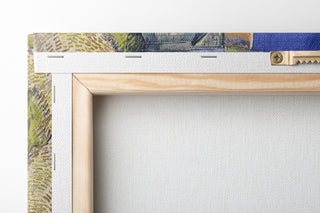
View from behind
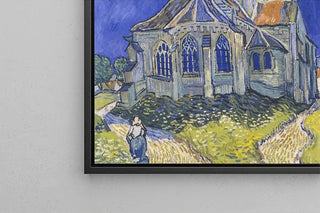
Frame (optional)
Portrait of Reinoud III de Brederode - Jan van Scorel – Engaging Introduction
In the vibrant world of Renaissance art, some works stand out for their ability to capture the very essence of humanity. The "Portrait of Reinoud III de Brederode" by Jan van Scorel is one such masterpiece. This painting, depicting a Dutch nobleman, immerses us in an era when painting became a means of asserting social status and personality. Through this portrait, Scorel does not merely reproduce an image; he creates a visual narrative, an open window into the past, inviting the viewer to explore the nuances of 16th-century aristocratic life. The finesse of details and the depth of emotions emanating from this work make it a must-see for art and history enthusiasts.
Style and uniqueness of the work
Jan van Scorel's style is characterized by impressive technical mastery, marked by rich colors and subtle play of light. In the "Portrait of Reinoud III de Brederode," the artist uses a dark background that highlights the character, thus emphasizing his majestic presence. The features of Reinoud's face, carefully rendered, reflect a particular attention to human expressions. The sumptuous attire of this nobleman, adorned with refined details, evokes not only his wealth but also his social status. Reinoud's slightly tilted posture, accompanied by a contemplative gaze, suggests introspection and psychological depth that invite reflection. This portrait is much more than a simple representation; it is an exploration of themes of identity and power, encapsulated in a work of great beauty.
The artist and his influence
Jan van Scorel, an emblematic figure of the Dutch Renaissance, mastered the balance between tradition and innovation in his work. Trained under the influence of the great masters of his time, he also traveled to Italy, where he absorbed techniques and styles of Italian painting. This blend of artistic cultures allowed Scorel to develop a unique approach, combining Flemish realism with Italian sensibility. His impact on his contemporaries and subsequent generations is undeniable, as he paved the way for a new way of thinking about
Painting Portrait of Reinoud III de Brederode - Jan van Scorel | Art print

-10% FROM €95 IN PURCHASES
-15% FROM €195 IN PURCHASES
Regular price
- Unit price
- per
Tax included.
Free shipping
€4.90 / Free shipping on orders over €39
Satisfied or Money Back
Free returns within 30 days
10-year warranty
Our prints are guaranteed for 10 years
Any questions? We are here!
by email to contact@artemlegrand.com
THE STEPS OF YOUR ORDER
STEP 1 - ORDER PLACED
Your order has been confirmed and we are starting production
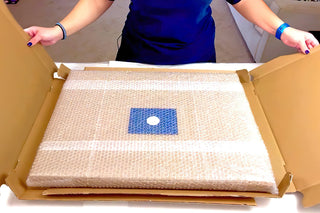
STEP 2 - SHIPPING
We ship your order. We send you an email to track the progress

STEP 3 - DELIVERY
You receive your order. You can also, according to your choice, be delivered to a relay point.
Matte finish
View from behind
Frame (optional)
Portrait of Reinoud III de Brederode - Jan van Scorel – Engaging Introduction
In the vibrant world of Renaissance art, some works stand out for their ability to capture the very essence of humanity. The "Portrait of Reinoud III de Brederode" by Jan van Scorel is one such masterpiece. This painting, depicting a Dutch nobleman, immerses us in an era when painting became a means of asserting social status and personality. Through this portrait, Scorel does not merely reproduce an image; he creates a visual narrative, an open window into the past, inviting the viewer to explore the nuances of 16th-century aristocratic life. The finesse of details and the depth of emotions emanating from this work make it a must-see for art and history enthusiasts.
Style and uniqueness of the work
Jan van Scorel's style is characterized by impressive technical mastery, marked by rich colors and subtle play of light. In the "Portrait of Reinoud III de Brederode," the artist uses a dark background that highlights the character, thus emphasizing his majestic presence. The features of Reinoud's face, carefully rendered, reflect a particular attention to human expressions. The sumptuous attire of this nobleman, adorned with refined details, evokes not only his wealth but also his social status. Reinoud's slightly tilted posture, accompanied by a contemplative gaze, suggests introspection and psychological depth that invite reflection. This portrait is much more than a simple representation; it is an exploration of themes of identity and power, encapsulated in a work of great beauty.
The artist and his influence
Jan van Scorel, an emblematic figure of the Dutch Renaissance, mastered the balance between tradition and innovation in his work. Trained under the influence of the great masters of his time, he also traveled to Italy, where he absorbed techniques and styles of Italian painting. This blend of artistic cultures allowed Scorel to develop a unique approach, combining Flemish realism with Italian sensibility. His impact on his contemporaries and subsequent generations is undeniable, as he paved the way for a new way of thinking about
12,34 €