
Portrait of Professor Sebastian Faesch 1647-1712 - Johann Rudolf Huber the Elder | Art print


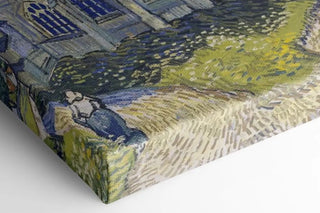
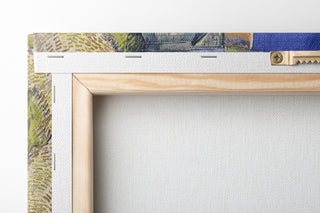
View from behind
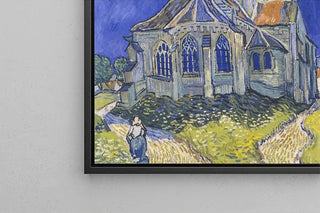
Frame (optional)
Portrait of Professor Sebastian Faesch 1647-1712 - Johann Rudolf Huber the Elder – Captivating Introduction
The portrait of Professor Sebastian Faesch, created by Johann Rudolf Huber the Elder, is an iconic work of the 18th century that transcends the simple framework of an academic portrait to delve into the depths of human identity. This painting, through its realism and finesse, offers a fascinating glimpse into the intellectual life of the era, while highlighting the personality of the subject. The depiction of Faesch, a man of knowledge, is conveyed through a penetrating gaze and a posture that evoke both dignity and wisdom. This portrait does not merely freeze a moment; it tells a story, that of a scholar whose influence marked his time.
Style and uniqueness of the work
The uniqueness of this piece lies in the skillful blend of baroque style with a more naturalistic approach, typical of the period. Huber the Elder succeeds in capturing not only Faesch's physical appearance but also his spiritual essence. The meticulous details of the texture of the clothing, the brightness of the face, and the carefully chosen background contribute to creating an atmosphere that is both solemn and intimate. The use of light, which highlights the features of the professor, demonstrates the artist's technical mastery and his ability to play with shadows to emphasize emotions. Therefore, this portrait is a work that, through its psychological depth and refined aesthetic, fits within the tradition of great academic portraits while standing out for its palpable humanity.
The artist and his influence
Johann Rudolf Huber the Elder, a prominent figure in Swiss art, left an indelible mark on the artistic landscape of his time. Trained in major European artistic centers, he managed to incorporate influences from his contemporaries while developing a personal style unique to him. Huber the Elder is distinguished by his ability to combine academic rigor with artistic sensitivity, enabling him to create works that touch both the heart and the mind. His approach to portraiture, particularly evident in the depiction of Faesch, reflects a desire to grasp the complexity of the human soul.
Portrait of Professor Sebastian Faesch 1647-1712 - Johann Rudolf Huber the Elder | Art print

-10% FROM €95 IN PURCHASES
-15% FROM €195 IN PURCHASES
Regular price
- Unit price
- per
Tax included.
Free shipping
€4.90 / Free shipping on orders over €39
Satisfied or Money Back
Free returns within 30 days
10-year warranty
Our prints are guaranteed for 10 years
Any questions? We are here!
by email to contact@artemlegrand.com
THE STEPS OF YOUR ORDER

STEP 1 - ORDER PLACED
Your order has been confirmed and we are starting production
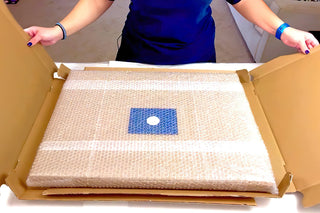
STEP 2 - SHIPPING
We ship your order. We send you an email to track the progress

STEP 3 - DELIVERY
You receive your order. You can also, according to your choice, be delivered to a relay point.
Matte finish
View from behind
Frame (optional)
Portrait of Professor Sebastian Faesch 1647-1712 - Johann Rudolf Huber the Elder – Captivating Introduction
The portrait of Professor Sebastian Faesch, created by Johann Rudolf Huber the Elder, is an iconic work of the 18th century that transcends the simple framework of an academic portrait to delve into the depths of human identity. This painting, through its realism and finesse, offers a fascinating glimpse into the intellectual life of the era, while highlighting the personality of the subject. The depiction of Faesch, a man of knowledge, is conveyed through a penetrating gaze and a posture that evoke both dignity and wisdom. This portrait does not merely freeze a moment; it tells a story, that of a scholar whose influence marked his time.
Style and uniqueness of the work
The uniqueness of this piece lies in the skillful blend of baroque style with a more naturalistic approach, typical of the period. Huber the Elder succeeds in capturing not only Faesch's physical appearance but also his spiritual essence. The meticulous details of the texture of the clothing, the brightness of the face, and the carefully chosen background contribute to creating an atmosphere that is both solemn and intimate. The use of light, which highlights the features of the professor, demonstrates the artist's technical mastery and his ability to play with shadows to emphasize emotions. Therefore, this portrait is a work that, through its psychological depth and refined aesthetic, fits within the tradition of great academic portraits while standing out for its palpable humanity.
The artist and his influence
Johann Rudolf Huber the Elder, a prominent figure in Swiss art, left an indelible mark on the artistic landscape of his time. Trained in major European artistic centers, he managed to incorporate influences from his contemporaries while developing a personal style unique to him. Huber the Elder is distinguished by his ability to combine academic rigor with artistic sensitivity, enabling him to create works that touch both the heart and the mind. His approach to portraiture, particularly evident in the depiction of Faesch, reflects a desire to grasp the complexity of the human soul.
12,34 €