
Painting Portrait of Princess de Beauvau-Craon, probably Anne-Marguerite-Gabrielle 1707-1792 as Hebe - Pierre Gobert and Workshop


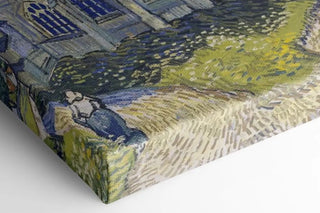
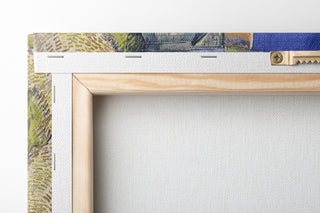
View from behind
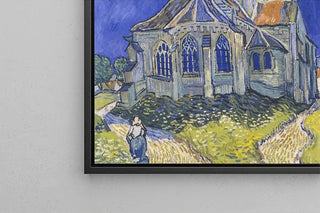
Frame (optional)
In the vast panorama of art history, certain works stand out for their ability to capture the essence of an era while revealing the unique personality of their subjects. The art print of the Portrait of the Princess of Beauvau-Craon, probably Anne-Marguerite-Gabrielle, as Hebe, is a remarkable illustration of this duality. Created by Pierre Gobert and his workshop, this piece evokes not only the beauty and refinement of the 18th century but also the depth of social and cultural relationships that prevailed at the French court. The princess, depicted in an elegant pose, embodies a mythological figure, highlighting her status and importance in her society.
Style and uniqueness of the work
The style of this piece is emblematic of Rococo, an artistic movement characterized by its lightness, curved forms, and delicate ornaments. In this portrait, Pierre Gobert manages to blend grace and sophistication, creating an atmosphere of dream and idealization. The princess is depicted with meticulous care, each detail of her dress and hairstyle demonstrating the artist's skill. Pastel colors, typical of this period, add a soft, dreamy dimension to the work, reinforcing the impression of timeless beauty. By choosing to depict the princess as Hebe, the goddess of youth and vitality, Gobert elevates his subject to the rank of myths, granting her an almost divine aura. This iconographic choice is not accidental, as it reflects the aspirations and ideals of the nobility of the time, which sought to identify with heroic and mythological figures.
The artist and his influence
Pierre Gobert, although less well-known than some of his contemporaries, played a significant role in the development of portraiture in the 18th century. Trained in a rich artistic context, he managed to establish himself through his distinctive style and his ability to capture the soul of his subjects. Gobert worked for many personalities
Painting Portrait of Princess de Beauvau-Craon, probably Anne-Marguerite-Gabrielle 1707-1792 as Hebe - Pierre Gobert and Workshop

-10% FROM €95 IN PURCHASES
-15% FROM €195 IN PURCHASES
Regular price
- Unit price
- per
Tax included.
Free shipping
€4.90 / Free shipping on orders over €39
Satisfied or Money Back
Free returns within 30 days
10-year warranty
Our prints are guaranteed for 10 years
Any questions? We are here!
by email to contact@artemlegrand.com
THE STEPS OF YOUR ORDER

STEP 1 - ORDER PLACED
Your order has been confirmed and we are starting production
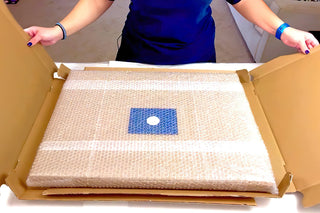
STEP 2 - SHIPPING
We ship your order. We send you an email to track the progress

STEP 3 - DELIVERY
You receive your order. You can also, according to your choice, be delivered to a relay point.
Matte finish
View from behind
Frame (optional)
In the vast panorama of art history, certain works stand out for their ability to capture the essence of an era while revealing the unique personality of their subjects. The art print of the Portrait of the Princess of Beauvau-Craon, probably Anne-Marguerite-Gabrielle, as Hebe, is a remarkable illustration of this duality. Created by Pierre Gobert and his workshop, this piece evokes not only the beauty and refinement of the 18th century but also the depth of social and cultural relationships that prevailed at the French court. The princess, depicted in an elegant pose, embodies a mythological figure, highlighting her status and importance in her society.
Style and uniqueness of the work
The style of this piece is emblematic of Rococo, an artistic movement characterized by its lightness, curved forms, and delicate ornaments. In this portrait, Pierre Gobert manages to blend grace and sophistication, creating an atmosphere of dream and idealization. The princess is depicted with meticulous care, each detail of her dress and hairstyle demonstrating the artist's skill. Pastel colors, typical of this period, add a soft, dreamy dimension to the work, reinforcing the impression of timeless beauty. By choosing to depict the princess as Hebe, the goddess of youth and vitality, Gobert elevates his subject to the rank of myths, granting her an almost divine aura. This iconographic choice is not accidental, as it reflects the aspirations and ideals of the nobility of the time, which sought to identify with heroic and mythological figures.
The artist and his influence
Pierre Gobert, although less well-known than some of his contemporaries, played a significant role in the development of portraiture in the 18th century. Trained in a rich artistic context, he managed to establish himself through his distinctive style and his ability to capture the soul of his subjects. Gobert worked for many personalities
12,34 €