
Portrait painting of Pieter Corneliszoon Hooft, Bailiff of Muiden, historian and poet - Joachim von Sandrart | Art print


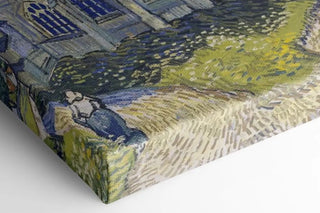
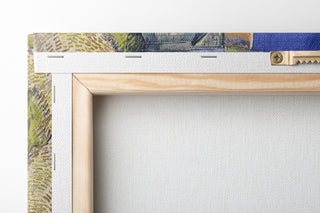
View from behind
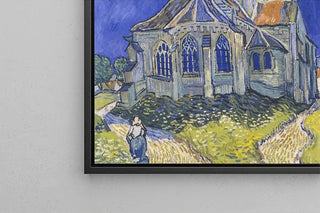
Frame (optional)
In the fascinating world of art, some works stand out for their ability to capture the essence of an era and a personality. The "Portrait of Pieter Corneliszoon Hooft Bailli de Muiden, historian and poet" by Joachim von Sandrart is one of these iconic creations. This painting does not merely depict a man; it evokes an intellectual of the 17th century, a man of letters whose contributions to Dutch culture are invaluable. Hooft, a central figure in the literary life of his time, is immortalized by Von Sandrart in a style that combines finesse and depth, demonstrating the importance of the individual within the historical and artistic context of his era.
Style and uniqueness of the work
Joachim von Sandrart's work is characterized by a meticulous approach to portraiture, where every detail is carefully considered to reveal not only the physical appearance of the subject but also his character and stature. In this art print, Hooft's posture, his contemplative gaze, and the elements of his environment contribute to creating an atmosphere of reflection and gravity. The color palette chosen by the artist evokes a certain solemnity, while the light, skillfully manipulated, highlights facial features and textures of clothing. This art print transcends the simple portrait to become a true window into the soul of Hooft, a man whose life and work are intimately linked to Dutch history. The finesse of the rendering and Sandrart's ability to capture the essence of his subject make this piece a masterpiece of Baroque portraiture.
The artist and his influence
Joachim von Sandrart, artist and art theorist, is an emblematic figure of his time. Born in 1606 in Frankfurt, he trained in the workshops of the great masters of the period before settling in Amsterdam, where he played a key role in the development of Dutch art. His approach to portraiture is marked by a constant search for psychological truth and particular attention to detail. As a member of the artists' guild, he also contributed
Portrait painting of Pieter Corneliszoon Hooft, Bailiff of Muiden, historian and poet - Joachim von Sandrart | Art print

-10% FROM €95 IN PURCHASES
-15% FROM €195 IN PURCHASES
Regular price
- Unit price
- per
Tax included.
Free shipping
€4.90 / Free shipping on orders over €39
Satisfied or Money Back
Free returns within 30 days
10-year warranty
Our prints are guaranteed for 10 years
Any questions? We are here!
by email to contact@artemlegrand.com
THE STEPS OF YOUR ORDER

STEP 1 - ORDER PLACED
Your order has been confirmed and we are starting production
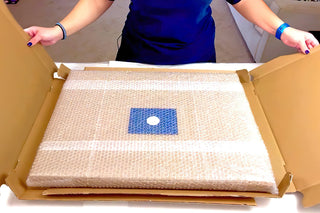
STEP 2 - SHIPPING
We ship your order. We send you an email to track the progress

STEP 3 - DELIVERY
You receive your order. You can also, according to your choice, be delivered to a relay point.
Matte finish
View from behind
Frame (optional)
In the fascinating world of art, some works stand out for their ability to capture the essence of an era and a personality. The "Portrait of Pieter Corneliszoon Hooft Bailli de Muiden, historian and poet" by Joachim von Sandrart is one of these iconic creations. This painting does not merely depict a man; it evokes an intellectual of the 17th century, a man of letters whose contributions to Dutch culture are invaluable. Hooft, a central figure in the literary life of his time, is immortalized by Von Sandrart in a style that combines finesse and depth, demonstrating the importance of the individual within the historical and artistic context of his era.
Style and uniqueness of the work
Joachim von Sandrart's work is characterized by a meticulous approach to portraiture, where every detail is carefully considered to reveal not only the physical appearance of the subject but also his character and stature. In this art print, Hooft's posture, his contemplative gaze, and the elements of his environment contribute to creating an atmosphere of reflection and gravity. The color palette chosen by the artist evokes a certain solemnity, while the light, skillfully manipulated, highlights facial features and textures of clothing. This art print transcends the simple portrait to become a true window into the soul of Hooft, a man whose life and work are intimately linked to Dutch history. The finesse of the rendering and Sandrart's ability to capture the essence of his subject make this piece a masterpiece of Baroque portraiture.
The artist and his influence
Joachim von Sandrart, artist and art theorist, is an emblematic figure of his time. Born in 1606 in Frankfurt, he trained in the workshops of the great masters of the period before settling in Amsterdam, where he played a key role in the development of Dutch art. His approach to portraiture is marked by a constant search for psychological truth and particular attention to detail. As a member of the artists' guild, he also contributed
12,34 €