
Portrait painting of Pierre-François-Jean Du Cluzel, Marquis de Montpipeau - Henri-Pierre Danloux | Art print


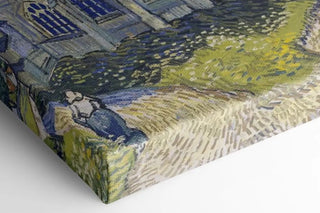
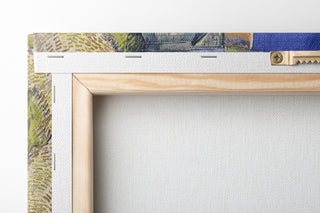
View from behind
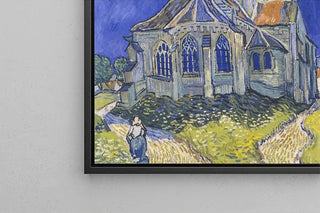
Frame (optional)
Portrait of Pierre-François-Jean Du Cluzel, Marquis of Montpipeau - Henri-Pierre Danloux – Captivating Introduction
In the fascinating world of art history, certain works stand out for their ability to capture the very essence of their subject. The "Portrait of Pierre-François-Jean Du Cluzel, Marquis of Montpipeau" by Henri-Pierre Danloux is a perfect example. Created in the early 19th century, this painting is not merely a simple depiction of a man in formal attire; it is a true window into an era, a testament to the French aristocracy before the Revolution. Through this portrait, the artist manages to transcend mere stylistic exercise to offer a reflection on identity and social status.
Style and uniqueness of the work
Danloux's style is characterized by finesse and precision that allow for capturing the smallest details of his model's face. The carefully orchestrated light highlights the marquis's features while imparting emotional depth to his gaze. The color palette chosen evokes both the richness of the fabrics of the period and a certain serenity, creating an atmosphere conducive to contemplation. The background, simple and elegant, emphasizes the stature of the marquis while revealing a certain intimacy. This portrait does not merely depict a character; it tells a story, that of a man at the crossroads between tradition and modernity, nobility and change.
The artist and his influence
Henri-Pierre Danloux, born in 1753, was a key figure in the French art scene. Raised during a period of upheaval, he skillfully navigated between styles and currents that marked his era. Trained in François Boucher's workshop, he was initially influenced by Rococo before evolving toward a more rigorous Neoclassical style. His work, which combines impeccable technique with a keen sensitivity to the psychology of his subjects, influenced many artists of his time. Danloux captured the spirit of his era while foreshadowing future stylistic evolutions. His artistic legacy is reflected in
Portrait painting of Pierre-François-Jean Du Cluzel, Marquis de Montpipeau - Henri-Pierre Danloux | Art print

-10% FROM €95 IN PURCHASES
-15% FROM €195 IN PURCHASES
Regular price
- Unit price
- per
Tax included.
Free shipping
€4.90 / Free shipping on orders over €39
Satisfied or Money Back
Free returns within 30 days
10-year warranty
Our prints are guaranteed for 10 years
Any questions? We are here!
by email to contact@artemlegrand.com
THE STEPS OF YOUR ORDER

STEP 1 - ORDER PLACED
Your order has been confirmed and we are starting production
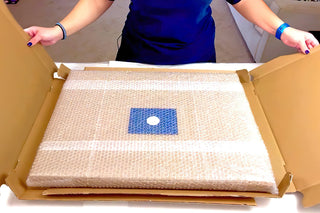
STEP 2 - SHIPPING
We ship your order. We send you an email to track the progress

STEP 3 - DELIVERY
You receive your order. You can also, according to your choice, be delivered to a relay point.
Matte finish
View from behind
Frame (optional)
Portrait of Pierre-François-Jean Du Cluzel, Marquis of Montpipeau - Henri-Pierre Danloux – Captivating Introduction
In the fascinating world of art history, certain works stand out for their ability to capture the very essence of their subject. The "Portrait of Pierre-François-Jean Du Cluzel, Marquis of Montpipeau" by Henri-Pierre Danloux is a perfect example. Created in the early 19th century, this painting is not merely a simple depiction of a man in formal attire; it is a true window into an era, a testament to the French aristocracy before the Revolution. Through this portrait, the artist manages to transcend mere stylistic exercise to offer a reflection on identity and social status.
Style and uniqueness of the work
Danloux's style is characterized by finesse and precision that allow for capturing the smallest details of his model's face. The carefully orchestrated light highlights the marquis's features while imparting emotional depth to his gaze. The color palette chosen evokes both the richness of the fabrics of the period and a certain serenity, creating an atmosphere conducive to contemplation. The background, simple and elegant, emphasizes the stature of the marquis while revealing a certain intimacy. This portrait does not merely depict a character; it tells a story, that of a man at the crossroads between tradition and modernity, nobility and change.
The artist and his influence
Henri-Pierre Danloux, born in 1753, was a key figure in the French art scene. Raised during a period of upheaval, he skillfully navigated between styles and currents that marked his era. Trained in François Boucher's workshop, he was initially influenced by Rococo before evolving toward a more rigorous Neoclassical style. His work, which combines impeccable technique with a keen sensitivity to the psychology of his subjects, influenced many artists of his time. Danloux captured the spirit of his era while foreshadowing future stylistic evolutions. His artistic legacy is reflected in
12,34 €