
Painting Portrait of Philipp Melanchthon - Lucas Cranach the Younger | Art print


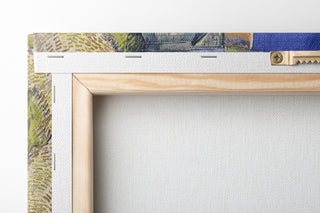
View from behind
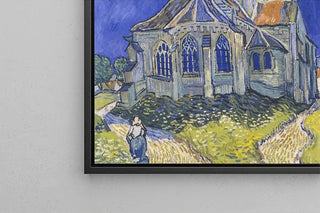
Frame (optional)
The "Art print of Philipp Mélanchthon" by Lucas Cranach the Younger is an iconic piece that resonates deeply with the intellectual and artistic history of the German Renaissance. This portrait, capturing the essence of one of the era's greatest reformers, offers viewers a window into the 16th century—a period marked by religious upheavals and artistic innovations. Mélanchthon, a close friend of Martin Luther, is depicted with an intensity that transcends mere representation. The piercing gaze of the figure, combined with a contemplative posture, invites reflection on knowledge and faith, two pillars of his life.
Style and uniqueness of the work
Lucas Cranach the Younger's work is distinguished by its refined style and ability to blend realism with idealization. In this art print, Mélanchthon's features are rendered with remarkable precision, revealing the meticulous observation with which the artist studied his model. The colors, carefully chosen, create an atmosphere that is both warm and austere, evoking the depth of the reformer's thought. The subtly balanced lighting accentuates the contours of the face and highlights the details of the attire, a symbol of his intellectual status. Every element of the composition, from the neutral background to the slightly inclined posture, contributes to a visual harmony that captures attention and inspires admiration. This art print does not merely depict a man; it embodies an era, a thought, and a movement that shaped Europe.
The artist and his influence
Lucas Cranach the Younger, son of the renowned painter Lucas Cranach the Elder, inherited a rich artistic legacy that allowed him to establish himself in the artistic landscape of his time. His work is marked by a deep commitment to the ideals of the Reformation, which he illustrated through portraits of scholars and theologians. By choosing to depict figures such as Philipp Mélanchthon, he not only celebrated their intellectual contributions but also reinforced their image among the public. Cranach the Younger skillfully combined tradition and innovation, integrating elements of Flemish painting, all
Painting Portrait of Philipp Melanchthon - Lucas Cranach the Younger | Art print

-10% FROM €95 IN PURCHASES
-15% FROM €195 IN PURCHASES
Regular price
- Unit price
- per
Tax included.
Free shipping
€4.90 / Free shipping on orders over €39
Satisfied or Money Back
Free returns within 30 days
10-year warranty
Our prints are guaranteed for 10 years
Any questions? We are here!
by email to contact@artemlegrand.com
THE STEPS OF YOUR ORDER
STEP 1 - ORDER PLACED
Your order has been confirmed and we are starting production
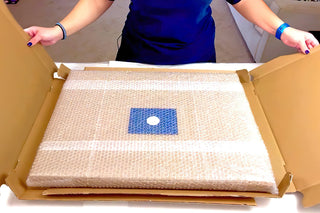
STEP 2 - SHIPPING
We ship your order. We send you an email to track the progress

STEP 3 - DELIVERY
You receive your order. You can also, according to your choice, be delivered to a relay point.
Matte finish
View from behind
Frame (optional)
The "Art print of Philipp Mélanchthon" by Lucas Cranach the Younger is an iconic piece that resonates deeply with the intellectual and artistic history of the German Renaissance. This portrait, capturing the essence of one of the era's greatest reformers, offers viewers a window into the 16th century—a period marked by religious upheavals and artistic innovations. Mélanchthon, a close friend of Martin Luther, is depicted with an intensity that transcends mere representation. The piercing gaze of the figure, combined with a contemplative posture, invites reflection on knowledge and faith, two pillars of his life.
Style and uniqueness of the work
Lucas Cranach the Younger's work is distinguished by its refined style and ability to blend realism with idealization. In this art print, Mélanchthon's features are rendered with remarkable precision, revealing the meticulous observation with which the artist studied his model. The colors, carefully chosen, create an atmosphere that is both warm and austere, evoking the depth of the reformer's thought. The subtly balanced lighting accentuates the contours of the face and highlights the details of the attire, a symbol of his intellectual status. Every element of the composition, from the neutral background to the slightly inclined posture, contributes to a visual harmony that captures attention and inspires admiration. This art print does not merely depict a man; it embodies an era, a thought, and a movement that shaped Europe.
The artist and his influence
Lucas Cranach the Younger, son of the renowned painter Lucas Cranach the Elder, inherited a rich artistic legacy that allowed him to establish himself in the artistic landscape of his time. His work is marked by a deep commitment to the ideals of the Reformation, which he illustrated through portraits of scholars and theologians. By choosing to depict figures such as Philipp Mélanchthon, he not only celebrated their intellectual contributions but also reinforced their image among the public. Cranach the Younger skillfully combined tradition and innovation, integrating elements of Flemish painting, all
12,34 €