
Painting Portrait of Pauline Countess Nostitz 1801-1881 - Jaroslav Čermák | Art print


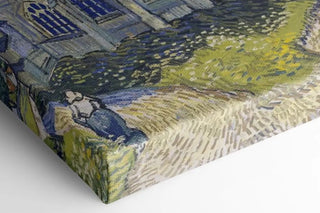
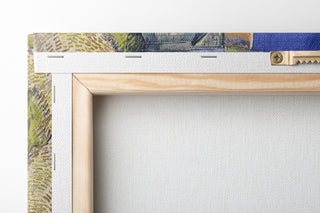
View from behind
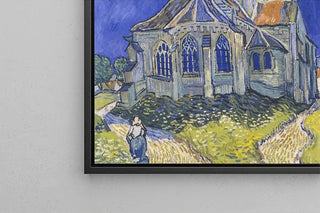
Frame (optional)
In the vast panorama of art history, certain works stand out for their ability to capture the essence of an era and a personality. The "Portrait of Pauline Countess Nostitz" by Jaroslav Čermák, created between 1801 and 1881, is one of these masterpieces. This piece, imbued with delicacy and sophistication, immerses us in the aristocratic universe of the 19th century. The penetrating gaze of the countess, combined with a subtle color palette, invites us to explore not only the beauty of its subject but also the nuances of her character and social status.
Style and uniqueness of the work
The uniqueness of this portrait lies in Čermák's ability to blend realism and romanticism. Every detail, from the luxurious fabrics of the dress to the delicate accessories, is treated with remarkable precision. The play of light and shadow on the countess's face creates an almost tangible atmosphere, emphasizing her facial expression. The composition, though classical, is distinguished by a dynamic that captures the eye and holds attention. Pauline's posture, slightly turned, suggests both a certain reserve and innate confidence, reflecting her status as a woman of power in a society in full transformation. This art print does not merely depict a historical figure; it tells a story, that of a woman who knew how to navigate the tumultuous waters of her time.
The artist and his influence
Jaroslav Čermák, an emblematic figure of Czech painting, knew how to mark his era with his innovative approach and undeniable talent. Trained in the art schools of Prague and Paris, he absorbed influences from the great masters while developing a personal style. His portraits, often imbued with profound humanity, testify to his ability to grasp the soul of his models. Čermák is not just a portraitist; he is a chronicler of his time, capable of transcending mere appearances to offer a deeper vision of human nature. His work has had a lasting impact on Czech painting, inspiring generations of artists to explore the complexity of emotions and
Painting Portrait of Pauline Countess Nostitz 1801-1881 - Jaroslav Čermák | Art print

-10% FROM €95 IN PURCHASES
-15% FROM €195 IN PURCHASES
Regular price
- Unit price
- per
Tax included.
Free shipping
€4.90 / Free shipping on orders over €39
Satisfied or Money Back
Free returns within 30 days
10-year warranty
Our prints are guaranteed for 10 years
Any questions? We are here!
by email to contact@artemlegrand.com
THE STEPS OF YOUR ORDER

STEP 1 - ORDER PLACED
Your order has been confirmed and we are starting production
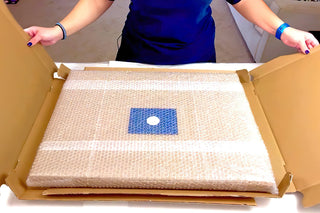
STEP 2 - SHIPPING
We ship your order. We send you an email to track the progress

STEP 3 - DELIVERY
You receive your order. You can also, according to your choice, be delivered to a relay point.
Matte finish
View from behind
Frame (optional)
In the vast panorama of art history, certain works stand out for their ability to capture the essence of an era and a personality. The "Portrait of Pauline Countess Nostitz" by Jaroslav Čermák, created between 1801 and 1881, is one of these masterpieces. This piece, imbued with delicacy and sophistication, immerses us in the aristocratic universe of the 19th century. The penetrating gaze of the countess, combined with a subtle color palette, invites us to explore not only the beauty of its subject but also the nuances of her character and social status.
Style and uniqueness of the work
The uniqueness of this portrait lies in Čermák's ability to blend realism and romanticism. Every detail, from the luxurious fabrics of the dress to the delicate accessories, is treated with remarkable precision. The play of light and shadow on the countess's face creates an almost tangible atmosphere, emphasizing her facial expression. The composition, though classical, is distinguished by a dynamic that captures the eye and holds attention. Pauline's posture, slightly turned, suggests both a certain reserve and innate confidence, reflecting her status as a woman of power in a society in full transformation. This art print does not merely depict a historical figure; it tells a story, that of a woman who knew how to navigate the tumultuous waters of her time.
The artist and his influence
Jaroslav Čermák, an emblematic figure of Czech painting, knew how to mark his era with his innovative approach and undeniable talent. Trained in the art schools of Prague and Paris, he absorbed influences from the great masters while developing a personal style. His portraits, often imbued with profound humanity, testify to his ability to grasp the soul of his models. Čermák is not just a portraitist; he is a chronicler of his time, capable of transcending mere appearances to offer a deeper vision of human nature. His work has had a lasting impact on Czech painting, inspiring generations of artists to explore the complexity of emotions and
12,34 €