
Art print Portrait of Mrs. John Greenleaf Priscilla Brown 1725-1759 - John Greenwood


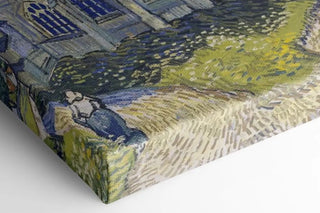
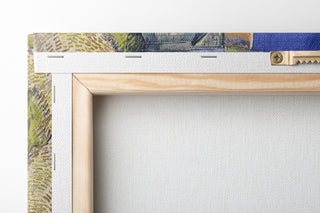
View from behind
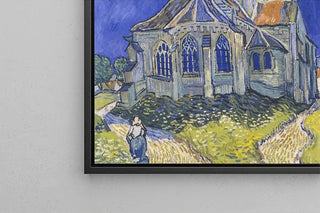
Frame (optional)
In the fascinating world of art, some works stand out for their ability to capture the very essence of an era and a personality. The "Portrait of Mrs. John Greenleaf Priscilla Brown" created by John Greenwood between 1725 and 1759 is a perfect example. This painting does not merely depict a historical figure; it evokes an atmosphere, a sensitivity, and an aesthetic characteristic of the American colonial period. Through this portrait, Greenwood succeeds in transcending the simple exercise of representation to offer a true visual experience, inviting the viewer to delve into the intimacy of a moment frozen in time.
Style and uniqueness of the work
Greenwood's style is marked by finesse and precision that testify to his technical skill. This portrait is distinguished by its delicate treatment of textures, clothing, and expressions. The light, skillfully orchestrated, highlights the features of Priscilla Brown, emphasizing the softness of her face and the richness of her attire. The colors, in subtle nuances, create a visual harmony that draws the eye and captivates the imagination. The artist plays with contrasts, between shadow and light, to bring his subject to life. Furthermore, the choice of accessories and decorative elements, such as the neutral background and floral details, enriches the composition and offers a glimpse into the social and cultural context of the time. This portrait is thus a true time capsule that allows us to understand the identity of a woman in the 18th century, while revealing the aesthetic codes of a society in full transformation.
The artist and his influence
John Greenwood, an English-born painter, established himself as one of the most prominent portraitists of his time. Based in Boston, he captured the attention of an affluent clientele eager to be immortalized by a talented artist. His style, influenced by European traditions while incorporating elements unique to American culture, marked an important step in the evolution of portraiture in the New World. Greenwood not only contributed to the popularization of portraiture as an artistic genre, but he also paved the way for other artists who, by
Art print Portrait of Mrs. John Greenleaf Priscilla Brown 1725-1759 - John Greenwood

-10% FROM €95 IN PURCHASES
-15% FROM €195 IN PURCHASES
Regular price
- Unit price
- per
Tax included.
Free shipping
€4.90 / Free shipping on orders over €39
Satisfied or Money Back
Free returns within 30 days
10-year warranty
Our prints are guaranteed for 10 years
Any questions? We are here!
by email to contact@artemlegrand.com
THE STEPS OF YOUR ORDER

STEP 1 - ORDER PLACED
Your order has been confirmed and we are starting production
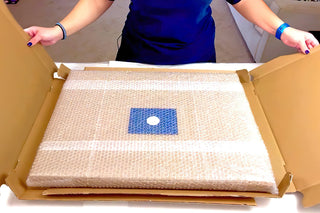
STEP 2 - SHIPPING
We ship your order. We send you an email to track the progress

STEP 3 - DELIVERY
You receive your order. You can also, according to your choice, be delivered to a relay point.
Matte finish
View from behind
Frame (optional)
In the fascinating world of art, some works stand out for their ability to capture the very essence of an era and a personality. The "Portrait of Mrs. John Greenleaf Priscilla Brown" created by John Greenwood between 1725 and 1759 is a perfect example. This painting does not merely depict a historical figure; it evokes an atmosphere, a sensitivity, and an aesthetic characteristic of the American colonial period. Through this portrait, Greenwood succeeds in transcending the simple exercise of representation to offer a true visual experience, inviting the viewer to delve into the intimacy of a moment frozen in time.
Style and uniqueness of the work
Greenwood's style is marked by finesse and precision that testify to his technical skill. This portrait is distinguished by its delicate treatment of textures, clothing, and expressions. The light, skillfully orchestrated, highlights the features of Priscilla Brown, emphasizing the softness of her face and the richness of her attire. The colors, in subtle nuances, create a visual harmony that draws the eye and captivates the imagination. The artist plays with contrasts, between shadow and light, to bring his subject to life. Furthermore, the choice of accessories and decorative elements, such as the neutral background and floral details, enriches the composition and offers a glimpse into the social and cultural context of the time. This portrait is thus a true time capsule that allows us to understand the identity of a woman in the 18th century, while revealing the aesthetic codes of a society in full transformation.
The artist and his influence
John Greenwood, an English-born painter, established himself as one of the most prominent portraitists of his time. Based in Boston, he captured the attention of an affluent clientele eager to be immortalized by a talented artist. His style, influenced by European traditions while incorporating elements unique to American culture, marked an important step in the evolution of portraiture in the New World. Greenwood not only contributed to the popularization of portraiture as an artistic genre, but he also paved the way for other artists who, by
12,34 €