
Painting Portrait of Miss Wharton - Sir Peter Lely | Art print


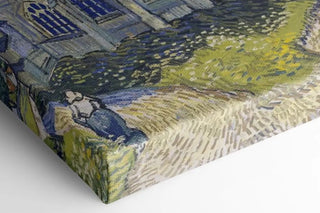
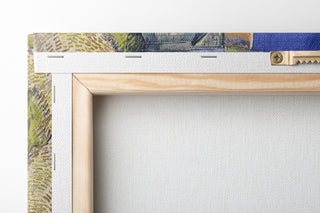
View from behind
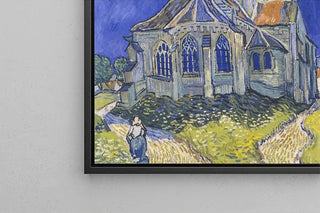
Frame (optional)
The "Portrait of Miss Wharton" by Sir Peter Lely is an iconic artwork that embodies the elegance and refinement of 17th-century English art. This painting, which highlights the beauty and grace of its model, is much more than a simple representation; it is an open window into a time when art and fashion intertwined to create timeless images. Contemplating this piece transports the viewer into a universe where the delicacy of features and the richness of colors combine to capture the very essence of femininity of its era. The art print of this work allows for rediscovering a part of art history while adding a touch of sophistication to any space.
Style and uniqueness of the work
The uniqueness of the "Portrait of Miss Wharton" lies in Lely's technical mastery, which manages to blend realism and idealization. The meticulous details of the face, the luminous reflections in the eyes, and the texture of the clothing demonstrate exceptional skill. The use of light and shadow adds striking depth to the composition, while the choice of colors evokes an atmosphere of softness and serenity. Lely also plays with the posture of his model, who stands with quiet confidence, revealing both personality and social status of Miss Wharton. This portrait is a celebration of beauty, but also an affirmation of identity, where each element contributes to telling a unique story.
The artist and his influence
Sir Peter Lely, born in 1618 in the Netherlands, established himself as one of the most influential portraitists of his time. His career flourished at the court of England, where he had the honor of painting members of royalty and aristocracy. Lely developed a style that marked English portraiture, blending Flemish influences with British sensibility. His innovative approach paved the way for many artists, and his legacy endures through the centuries. By choosing to depict women with such dignity and beauty, Lely helped shape the image of women in art, placing them at the heart of cultural and social discourse.
Painting Portrait of Miss Wharton - Sir Peter Lely | Art print

-10% FROM €95 IN PURCHASES
-15% FROM €195 IN PURCHASES
Regular price
- Unit price
- per
Tax included.
Free shipping
€4.90 / Free shipping on orders over €39
Satisfied or Money Back
Free returns within 30 days
10-year warranty
Our prints are guaranteed for 10 years
Any questions? We are here!
by email to contact@artemlegrand.com
THE STEPS OF YOUR ORDER

STEP 1 - ORDER PLACED
Your order has been confirmed and we are starting production
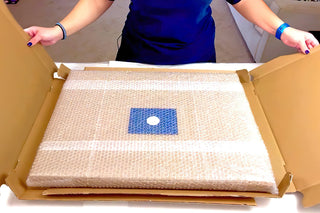
STEP 2 - SHIPPING
We ship your order. We send you an email to track the progress

STEP 3 - DELIVERY
You receive your order. You can also, according to your choice, be delivered to a relay point.
Matte finish
View from behind
Frame (optional)
The "Portrait of Miss Wharton" by Sir Peter Lely is an iconic artwork that embodies the elegance and refinement of 17th-century English art. This painting, which highlights the beauty and grace of its model, is much more than a simple representation; it is an open window into a time when art and fashion intertwined to create timeless images. Contemplating this piece transports the viewer into a universe where the delicacy of features and the richness of colors combine to capture the very essence of femininity of its era. The art print of this work allows for rediscovering a part of art history while adding a touch of sophistication to any space.
Style and uniqueness of the work
The uniqueness of the "Portrait of Miss Wharton" lies in Lely's technical mastery, which manages to blend realism and idealization. The meticulous details of the face, the luminous reflections in the eyes, and the texture of the clothing demonstrate exceptional skill. The use of light and shadow adds striking depth to the composition, while the choice of colors evokes an atmosphere of softness and serenity. Lely also plays with the posture of his model, who stands with quiet confidence, revealing both personality and social status of Miss Wharton. This portrait is a celebration of beauty, but also an affirmation of identity, where each element contributes to telling a unique story.
The artist and his influence
Sir Peter Lely, born in 1618 in the Netherlands, established himself as one of the most influential portraitists of his time. His career flourished at the court of England, where he had the honor of painting members of royalty and aristocracy. Lely developed a style that marked English portraiture, blending Flemish influences with British sensibility. His innovative approach paved the way for many artists, and his legacy endures through the centuries. By choosing to depict women with such dignity and beauty, Lely helped shape the image of women in art, placing them at the heart of cultural and social discourse.
12,34 €