
Portrait painting of Miss Elfrida Marjorie Eden, later Countess of Warwick 1887-1943, child - John Macallan Swan | Art print


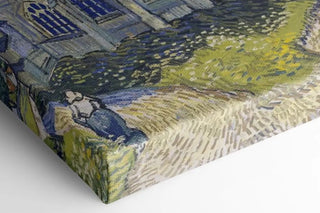
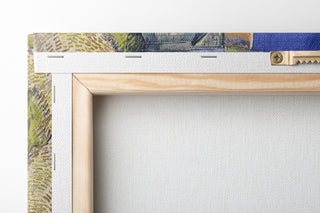
View from behind
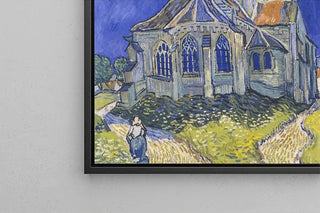
Frame (optional)
Portrait of Miss Elfrida Marjorie Eden, later Countess of Warwick 1887-1943, child - John Macallan Swan – Captivating introduction
In the art world, some works transcend mere frames to become witnesses of an era, of feelings, and personalities. The portrait of Miss Elfrida Marjorie Eden, child, by John Macallan Swan, falls into this category. Created in 1887, this painting does not merely capture the appearance of a young girl; it also evokes an atmosphere filled with tenderness and innocence. Through this portrait, the artist manages to establish a powerful emotional connection between the subject and the viewer. The exchanged gazes, even through the canvas, seem to tell a story, an intimacy that transcends time.
Style and uniqueness of the work
John Macallan Swan's style is characterized by remarkable delicacy, and this portrait is a perfect illustration of that. His approach is rooted in realism, while incorporating elements of romanticism that give the work an almost dreamlike dimension. The color palette chosen by the artist, with soft and pastel tones, evokes an atmosphere of serenity and tenderness. The meticulous details, whether in the texture of the clothing or the expression on young Elfrida's face, demonstrate exceptional craftsmanship. Swan succeeds in capturing not only the physical beauty of his model but also a deeper essence, that of childhood, full of promises and dreams. This portrait stands out for its ability to freeze a fleeting moment, to immortalize a period of life where everything seems possible.
The artist and his influence
John Macallan Swan, a British artist of the late 19th century, is often recognized for his mastery of portraiture and his ability to breathe vibrant life into his works. Trained at the Royal Academy, he was influenced by the artistic movements of his time, while developing a personal style that is uniquely his own. His work, although sometimes rooted in academic traditions, flourishes in a free artistic expression where technique marries a unique vision of his subjects. Swan managed to establish himself in the art world, and his influence is felt among
Portrait painting of Miss Elfrida Marjorie Eden, later Countess of Warwick 1887-1943, child - John Macallan Swan | Art print

-10% FROM €95 IN PURCHASES
-15% FROM €195 IN PURCHASES
Regular price
- Unit price
- per
Tax included.
Free shipping
€4.90 / Free shipping on orders over €39
Satisfied or Money Back
Free returns within 30 days
10-year warranty
Our prints are guaranteed for 10 years
Any questions? We are here!
by email to contact@artemlegrand.com
THE STEPS OF YOUR ORDER

STEP 1 - ORDER PLACED
Your order has been confirmed and we are starting production
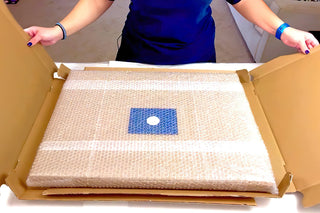
STEP 2 - SHIPPING
We ship your order. We send you an email to track the progress

STEP 3 - DELIVERY
You receive your order. You can also, according to your choice, be delivered to a relay point.
Matte finish
View from behind
Frame (optional)
Portrait of Miss Elfrida Marjorie Eden, later Countess of Warwick 1887-1943, child - John Macallan Swan – Captivating introduction
In the art world, some works transcend mere frames to become witnesses of an era, of feelings, and personalities. The portrait of Miss Elfrida Marjorie Eden, child, by John Macallan Swan, falls into this category. Created in 1887, this painting does not merely capture the appearance of a young girl; it also evokes an atmosphere filled with tenderness and innocence. Through this portrait, the artist manages to establish a powerful emotional connection between the subject and the viewer. The exchanged gazes, even through the canvas, seem to tell a story, an intimacy that transcends time.
Style and uniqueness of the work
John Macallan Swan's style is characterized by remarkable delicacy, and this portrait is a perfect illustration of that. His approach is rooted in realism, while incorporating elements of romanticism that give the work an almost dreamlike dimension. The color palette chosen by the artist, with soft and pastel tones, evokes an atmosphere of serenity and tenderness. The meticulous details, whether in the texture of the clothing or the expression on young Elfrida's face, demonstrate exceptional craftsmanship. Swan succeeds in capturing not only the physical beauty of his model but also a deeper essence, that of childhood, full of promises and dreams. This portrait stands out for its ability to freeze a fleeting moment, to immortalize a period of life where everything seems possible.
The artist and his influence
John Macallan Swan, a British artist of the late 19th century, is often recognized for his mastery of portraiture and his ability to breathe vibrant life into his works. Trained at the Royal Academy, he was influenced by the artistic movements of his time, while developing a personal style that is uniquely his own. His work, although sometimes rooted in academic traditions, flourishes in a free artistic expression where technique marries a unique vision of his subjects. Swan managed to establish himself in the art world, and his influence is felt among
12,34 €