
Painting Portrait of Mary Pemberton - John Smibert | Art print


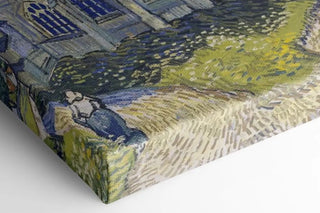
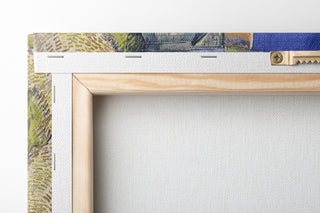
View from behind
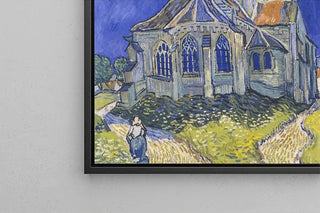
Frame (optional)
The "Art print of Mary Pemberton" by John Smibert is a work that transcends the simple frame of portraiture to immerse the viewer in an atmosphere filled with delicacy and sophistication. Created in the 18th century, this painting embodies not only the exceptional talent of its creator but also the essence of an era where art and society are intricately intertwined. Mary Pemberton, an iconic figure of her time, is captured here with such finesse that one could almost hear the whisper of her story through the brushstrokes. This art print, beyond its captivating aesthetic, bears witness to remarkable craftsmanship, offering a gateway to a bygone era while inviting prolonged contemplation.
Style and uniqueness of the work
John Smibert's style is distinguished by a blend of realism and elegance. In the "Art print of Mary Pemberton", the meticulous details of the face and clothing reveal impressive technical mastery. The interplay of light and shadow, along with the chosen color palette, imparts emotional depth to the piece. Smibert excels in rendering textures, whether it is the softness of Mary's skin or the sumptuous draping of her dress. Every element of the composition seems thoughtfully designed to enhance the character of the sit, creating an intimate connection between the work and the viewer. Mary's pose, both natural and graceful, evokes serenity that invites reflection, while also revealing a certain inner strength.
The artist and his influence
John Smibert, born in Scotland, established himself as one of the pioneers of portrait art in America. His artistic journey, marked by training in Europe, allowed him to incorporate diverse influences into his work. Upon arriving in Boston, he helped set a new standard for portraiture, combining European techniques with a keen sense of his subjects' personalities. Smibert also played a crucial role in promoting art in America, training numerous artists and participating in the founding of the Boston Academy of Fine Arts. The
Painting Portrait of Mary Pemberton - John Smibert | Art print

-10% FROM €95 IN PURCHASES
-15% FROM €195 IN PURCHASES
Regular price
- Unit price
- per
Tax included.
Free shipping
€4.90 / Free shipping on orders over €39
Satisfied or Money Back
Free returns within 30 days
10-year warranty
Our prints are guaranteed for 10 years
Any questions? We are here!
by email to contact@artemlegrand.com
THE STEPS OF YOUR ORDER

STEP 1 - ORDER PLACED
Your order has been confirmed and we are starting production
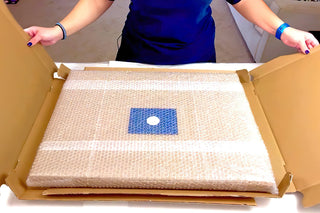
STEP 2 - SHIPPING
We ship your order. We send you an email to track the progress

STEP 3 - DELIVERY
You receive your order. You can also, according to your choice, be delivered to a relay point.
Matte finish
View from behind
Frame (optional)
The "Art print of Mary Pemberton" by John Smibert is a work that transcends the simple frame of portraiture to immerse the viewer in an atmosphere filled with delicacy and sophistication. Created in the 18th century, this painting embodies not only the exceptional talent of its creator but also the essence of an era where art and society are intricately intertwined. Mary Pemberton, an iconic figure of her time, is captured here with such finesse that one could almost hear the whisper of her story through the brushstrokes. This art print, beyond its captivating aesthetic, bears witness to remarkable craftsmanship, offering a gateway to a bygone era while inviting prolonged contemplation.
Style and uniqueness of the work
John Smibert's style is distinguished by a blend of realism and elegance. In the "Art print of Mary Pemberton", the meticulous details of the face and clothing reveal impressive technical mastery. The interplay of light and shadow, along with the chosen color palette, imparts emotional depth to the piece. Smibert excels in rendering textures, whether it is the softness of Mary's skin or the sumptuous draping of her dress. Every element of the composition seems thoughtfully designed to enhance the character of the sit, creating an intimate connection between the work and the viewer. Mary's pose, both natural and graceful, evokes serenity that invites reflection, while also revealing a certain inner strength.
The artist and his influence
John Smibert, born in Scotland, established himself as one of the pioneers of portrait art in America. His artistic journey, marked by training in Europe, allowed him to incorporate diverse influences into his work. Upon arriving in Boston, he helped set a new standard for portraiture, combining European techniques with a keen sense of his subjects' personalities. Smibert also played a crucial role in promoting art in America, training numerous artists and participating in the founding of the Boston Academy of Fine Arts. The
12,34 €