
Painting Portrait of Marie Barbara Lauck - Johann Friedrich August Tischbein


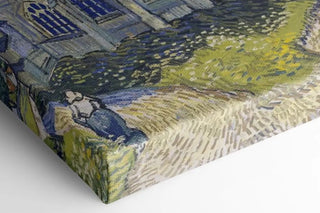
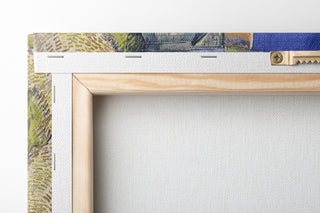
View from behind
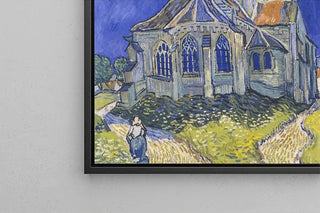
Frame (optional)
In the fascinating world of 18th-century painting, the "Art print of Marie Barbara Lauck" by Johann Friedrich August Tischbein stands out for its elegance and emotional depth. This piece, which captures the very essence of its model, transports us to a time when art was both a reflection of society and a means of personal expression. The artist, by highlighting the beauty and grace of Marie Barbara Lauck, invites us to contemplate not only the face of a woman but also the history and feelings surrounding her. Through this art print, Tischbein manages to establish a timeless dialogue between the viewer and the subject, making this work unforgettable.
Style and uniqueness of the work
Tischbein's style is characterized by remarkable finesse and meticulous attention to detail. In this art print, every brushstroke seems to have been carefully thought out, every shadow and light combine to bring Marie Barbara Lauck to life. The chosen colors, both soft and vibrant, evoke an atmosphere of serenity and refinement. The elegant posture of the model, as well as her penetrating gaze, testify to a strong and charismatic personality. What makes this art print particularly unique is the way it transcends the simple portrait to become a true psychological study. Tischbein does not merely depict a woman; he captures the soul of his model, offering an immersion into her inner universe. This work is an invitation to explore the nuances of human emotion, a reflection on beauty and the complexity of being.
The artist and his influence
Johann Friedrich August Tischbein, an emblematic figure of German painting, marked his era with his innovative approach and undeniable talent. Raised in an artistic environment, Tischbein knew how to draw on his influences to develop a distinctive style that combines tradition and modernity. His work was nourished by the artistic currents of his time, but he also stood out for his ability to humanize his subjects. By painting portraits, he did not merely reproduce faces but sought to tell stories, to reveal personalities. This approach had a significant impact
Painting Portrait of Marie Barbara Lauck - Johann Friedrich August Tischbein

-10% FROM €95 IN PURCHASES
-15% FROM €195 IN PURCHASES
Regular price
- Unit price
- per
Tax included.
Free shipping
€4.90 / Free shipping on orders over €39
Satisfied or Money Back
Free returns within 30 days
10-year warranty
Our prints are guaranteed for 10 years
Any questions? We are here!
by email to contact@artemlegrand.com
THE STEPS OF YOUR ORDER
STEP 1 - ORDER PLACED
Your order has been confirmed and we are starting production
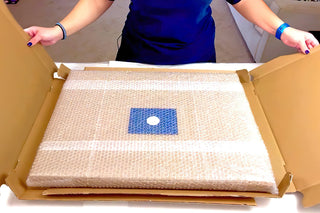
STEP 2 - SHIPPING
We ship your order. We send you an email to track the progress

STEP 3 - DELIVERY
You receive your order. You can also, according to your choice, be delivered to a relay point.
Matte finish
View from behind
Frame (optional)
In the fascinating world of 18th-century painting, the "Art print of Marie Barbara Lauck" by Johann Friedrich August Tischbein stands out for its elegance and emotional depth. This piece, which captures the very essence of its model, transports us to a time when art was both a reflection of society and a means of personal expression. The artist, by highlighting the beauty and grace of Marie Barbara Lauck, invites us to contemplate not only the face of a woman but also the history and feelings surrounding her. Through this art print, Tischbein manages to establish a timeless dialogue between the viewer and the subject, making this work unforgettable.
Style and uniqueness of the work
Tischbein's style is characterized by remarkable finesse and meticulous attention to detail. In this art print, every brushstroke seems to have been carefully thought out, every shadow and light combine to bring Marie Barbara Lauck to life. The chosen colors, both soft and vibrant, evoke an atmosphere of serenity and refinement. The elegant posture of the model, as well as her penetrating gaze, testify to a strong and charismatic personality. What makes this art print particularly unique is the way it transcends the simple portrait to become a true psychological study. Tischbein does not merely depict a woman; he captures the soul of his model, offering an immersion into her inner universe. This work is an invitation to explore the nuances of human emotion, a reflection on beauty and the complexity of being.
The artist and his influence
Johann Friedrich August Tischbein, an emblematic figure of German painting, marked his era with his innovative approach and undeniable talent. Raised in an artistic environment, Tischbein knew how to draw on his influences to develop a distinctive style that combines tradition and modernity. His work was nourished by the artistic currents of his time, but he also stood out for his ability to humanize his subjects. By painting portraits, he did not merely reproduce faces but sought to tell stories, to reveal personalities. This approach had a significant impact
12,34 €