
Portrait Painting of an Eccentric - Ludovit Pitthordt | Art print


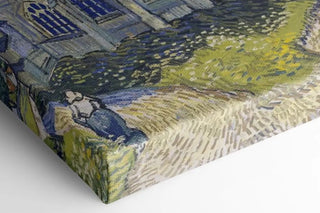
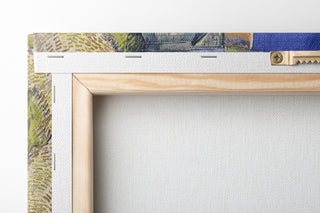
View from behind
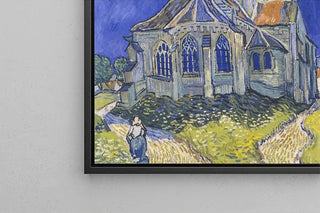
Frame (optional)
Portrait of a Crying Man - Ludovit Pitthordt – Captivating Introduction
In the vast universe of art, some works stand out for their ability to capture the very essence of humanity. The "Portrait of a Crying Man" by Ludovit Pitthordt is one of those creations that transcends the simple frame of a pictorial representation. This painting, both intimate and universal, invites the viewer to immerse themselves in a world where emotions and thoughts are palpable. Through this portrait, the artist manages to establish a silent dialogue between the subject and the observer, evoking curiosity and admiration. The depth of the gaze, the finesse of the details, and the harmony of colors compose a piece that is not just to be looked at, but to be felt.
Style and uniqueness of the work
Ludovit Pitthordt's style is characterized by a realistic approach, where each brushstroke seems imbued with life. In the "Portrait of a Crying Man," the artist skillfully plays with light and shadow to give relief to the facial features, thus conferring an almost sculptural dimension to his subject. The colors, both soft and vibrant, create a warm atmosphere, while the carefully balanced composition guides the viewer's eye toward the essential elements of the work. Pitthordt does not merely depict a face; he captures an essence, a story, a moment frozen in time. This portrait stands out for its ability to evoke complex emotions, making each observation unique and personal. Thus, the viewer is invited to interpret the nuances of the expression, to question the lived experience of the crying man, and to immerse themselves in introspective reflection.
The artist and his influence
Ludovit Pitthordt, an emblematic figure of his era, managed to leave a mark on the art world through his innovative approach and his commitment to authentic representation of the human being. Trained in classical traditions, he evolved toward a personal style that combines mastered technique and sensitivity. His work, influenced by the great masters of painting, is distinguished by rare psychological depth. Pitthordt always sought to explore the complexity of the human soul, and this is reflected in each of
Portrait Painting of an Eccentric - Ludovit Pitthordt | Art print

-10% FROM €95 IN PURCHASES
-15% FROM €195 IN PURCHASES
Regular price
- Unit price
- by
Free shipping
€4.90 / Free shipping on orders over €39
Satisfied or Money Back
Free returns within 30 days
10-year warranty
Our prints are guaranteed for 10 years
Any questions? We are here!
by email to contact@artemlegrand.com
THE STEPS OF YOUR ORDER

STEP 1 - ORDER PLACED
Your order has been confirmed and we are starting production
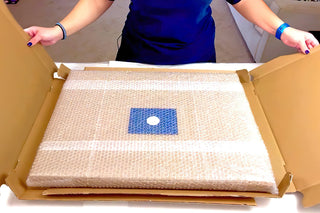
STEP 2 - SHIPPING
We ship your order. We send you an email to track the progress

STEP 3 - DELIVERY
You receive your order. You can also, according to your choice, be delivered to a relay point.
Matte finish
View from behind
Frame (optional)
Portrait of a Crying Man - Ludovit Pitthordt – Captivating Introduction
In the vast universe of art, some works stand out for their ability to capture the very essence of humanity. The "Portrait of a Crying Man" by Ludovit Pitthordt is one of those creations that transcends the simple frame of a pictorial representation. This painting, both intimate and universal, invites the viewer to immerse themselves in a world where emotions and thoughts are palpable. Through this portrait, the artist manages to establish a silent dialogue between the subject and the observer, evoking curiosity and admiration. The depth of the gaze, the finesse of the details, and the harmony of colors compose a piece that is not just to be looked at, but to be felt.
Style and uniqueness of the work
Ludovit Pitthordt's style is characterized by a realistic approach, where each brushstroke seems imbued with life. In the "Portrait of a Crying Man," the artist skillfully plays with light and shadow to give relief to the facial features, thus conferring an almost sculptural dimension to his subject. The colors, both soft and vibrant, create a warm atmosphere, while the carefully balanced composition guides the viewer's eye toward the essential elements of the work. Pitthordt does not merely depict a face; he captures an essence, a story, a moment frozen in time. This portrait stands out for its ability to evoke complex emotions, making each observation unique and personal. Thus, the viewer is invited to interpret the nuances of the expression, to question the lived experience of the crying man, and to immerse themselves in introspective reflection.
The artist and his influence
Ludovit Pitthordt, an emblematic figure of his era, managed to leave a mark on the art world through his innovative approach and his commitment to authentic representation of the human being. Trained in classical traditions, he evolved toward a personal style that combines mastered technique and sensitivity. His work, influenced by the great masters of painting, is distinguished by rare psychological depth. Pitthordt always sought to explore the complexity of the human soul, and this is reflected in each of