
Portrait of Louis François Marquis de Chambray 1737-1807 - Johann Friedrich August Tischbein | Art print


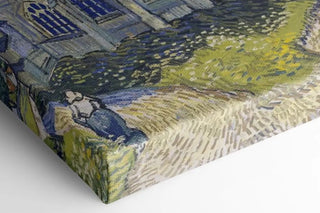
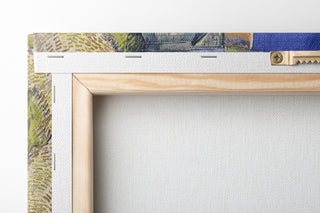
View from behind
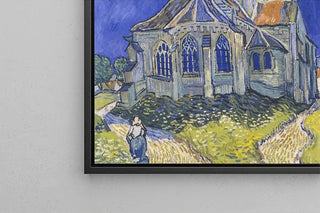
Frame (optional)
In the fascinating world of art, some works stand out for their ability to capture the essence of a particular era or personality. This is the case of the "Portrait of Louis François Marquis de Chambray," created by Johann Friedrich August Tischbein. This piece, painted in the early 19th century, not only demonstrates the undeniable talent of the artist but also reflects the social and political significance of the figure it depicts. Louis François Marquis de Chambray, an emblematic figure of his time, is immortalized in a pose that evokes both nobility and depth of character. The art print of this portrait invites us to delve into the universe of French aristocracy, while offering a reflection on the art of portraiture.
Style and uniqueness of the work
Tischbein's style is characterized by meticulous attention to detail and a skillful use of light and shadow. In this portrait, the marquis's features are rendered with precision that reveals not only his physical appearance but also his social status. The sumptuous clothing and refined accessories, carefully depicted, testify to the wealth and taste of the period. The color palette chosen by the artist, with rich and deep hues, helps create an atmosphere that is both solemn and captivating. The marquis's posture, slightly turned, adds dynamism to the painting, suggesting a man in deep thought, aware of his role in society. This work does not merely depict an individual; it tells a story, that of a time when power and culture were closely intertwined.
The artist and his influence
Johann Friedrich August Tischbein, whose name is often associated with portrait painting, established himself in the 18th-century artistic landscape. Trained at the painting school of the time, he developed a style that combines classicism with romantic sensitivity. Tischbein had the opportunity to work with influential personalities of his era, which allowed him to refine his art while absorbing European artistic currents. His approach to portraiture, blending realism and idealization, left a mark on his contemporaries.
Portrait of Louis François Marquis de Chambray 1737-1807 - Johann Friedrich August Tischbein | Art print

-10% FROM €95 IN PURCHASES
-15% FROM €195 IN PURCHASES
Regular price
- Unit price
- per
Tax included.
Free shipping
€4.90 / Free shipping on orders over €39
Satisfied or Money Back
Free returns within 30 days
10-year warranty
Our prints are guaranteed for 10 years
Any questions? We are here!
by email to contact@artemlegrand.com
THE STEPS OF YOUR ORDER
STEP 1 - ORDER PLACED
Your order has been confirmed and we are starting production
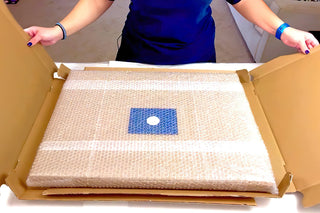
STEP 2 - SHIPPING
We ship your order. We send you an email to track the progress

STEP 3 - DELIVERY
You receive your order. You can also, according to your choice, be delivered to a relay point.
Matte finish
View from behind
Frame (optional)
In the fascinating world of art, some works stand out for their ability to capture the essence of a particular era or personality. This is the case of the "Portrait of Louis François Marquis de Chambray," created by Johann Friedrich August Tischbein. This piece, painted in the early 19th century, not only demonstrates the undeniable talent of the artist but also reflects the social and political significance of the figure it depicts. Louis François Marquis de Chambray, an emblematic figure of his time, is immortalized in a pose that evokes both nobility and depth of character. The art print of this portrait invites us to delve into the universe of French aristocracy, while offering a reflection on the art of portraiture.
Style and uniqueness of the work
Tischbein's style is characterized by meticulous attention to detail and a skillful use of light and shadow. In this portrait, the marquis's features are rendered with precision that reveals not only his physical appearance but also his social status. The sumptuous clothing and refined accessories, carefully depicted, testify to the wealth and taste of the period. The color palette chosen by the artist, with rich and deep hues, helps create an atmosphere that is both solemn and captivating. The marquis's posture, slightly turned, adds dynamism to the painting, suggesting a man in deep thought, aware of his role in society. This work does not merely depict an individual; it tells a story, that of a time when power and culture were closely intertwined.
The artist and his influence
Johann Friedrich August Tischbein, whose name is often associated with portrait painting, established himself in the 18th-century artistic landscape. Trained at the painting school of the time, he developed a style that combines classicism with romantic sensitivity. Tischbein had the opportunity to work with influential personalities of his era, which allowed him to refine his art while absorbing European artistic currents. His approach to portraiture, blending realism and idealization, left a mark on his contemporaries.
12,34 €