
Portrait of Lord George Cavendish's children - Sir Thomas Lawrence | Art print


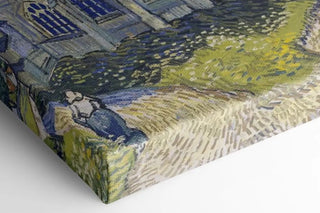
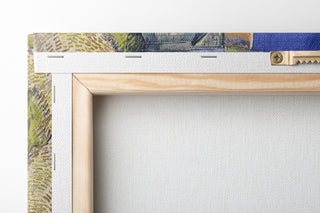
View from behind
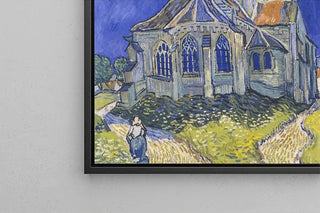
Frame (optional)
In the world of art, some works transcend mere frames to become true windows into an era, a culture, and even a family history. The art print Portrait of Lord George Cavendish's children by Sir Thomas Lawrence is no exception. This painting, created by Sir Thomas Lawrence, a renowned British portraitist of the early 19th century, evokes a touching intimacy among the Cavendish family members. By immersing ourselves in this artwork, we discover not only the faces of the children but also the essence of an aristocracy in full transformation, at a time when social values and aesthetic norms were evolving rapidly.
Style and uniqueness of the work
Lawrence's style is distinguished by his ability to capture the soul of his subjects. In the portrait of Lord George Cavendish's children, the artist employs a palette of delicate colors and light play that bring the children's faces to life. The meticulous details of their clothing, expressions, and postures testify to exceptional craftsmanship. Lawrence manages to create an atmosphere that is both warm and solemn, where the innocence of the children blends with the gravity of their aristocratic status. Every gaze, every faint smile seems to tell a story, inviting the viewer to ponder the lives of these young children, their dreams, and hopes. Through this artwork, the viewer is not only a witness to a frozen moment in time but also invited to reflect on childhood, family, and heritage.
The artist and his influence
Sir Thomas Lawrence, born in 1769, marked his era with his exceptional talent and artistic sensitivity. As a portraitist of British high society, he mastered capturing the psychological nuances of his models while revealing their social status. Lawrence was influenced by great masters of painting such as Joshua Reynolds and Antoine Watteau, but he developed a style that was uniquely his own, blending realism and romanticism. His work not only influenced his contemporaries but continues to inspire artists today. The way he humanized his subjects while maintaining a certain aristocratic distance
Portrait of Lord George Cavendish's children - Sir Thomas Lawrence | Art print

-10% FROM €95 IN PURCHASES
-15% FROM €195 IN PURCHASES
Regular price
- Unit price
- per
Tax included.
Free shipping
€4.90 / Free shipping on orders over €39
Satisfied or Money Back
Free returns within 30 days
10-year warranty
Our prints are guaranteed for 10 years
Any questions? We are here!
by email to contact@artemlegrand.com
THE STEPS OF YOUR ORDER

STEP 1 - ORDER PLACED
Your order has been confirmed and we are starting production
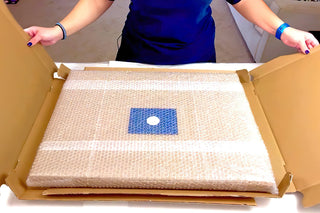
STEP 2 - SHIPPING
We ship your order. We send you an email to track the progress

STEP 3 - DELIVERY
You receive your order. You can also, according to your choice, be delivered to a relay point.
Matte finish
View from behind
Frame (optional)
In the world of art, some works transcend mere frames to become true windows into an era, a culture, and even a family history. The art print Portrait of Lord George Cavendish's children by Sir Thomas Lawrence is no exception. This painting, created by Sir Thomas Lawrence, a renowned British portraitist of the early 19th century, evokes a touching intimacy among the Cavendish family members. By immersing ourselves in this artwork, we discover not only the faces of the children but also the essence of an aristocracy in full transformation, at a time when social values and aesthetic norms were evolving rapidly.
Style and uniqueness of the work
Lawrence's style is distinguished by his ability to capture the soul of his subjects. In the portrait of Lord George Cavendish's children, the artist employs a palette of delicate colors and light play that bring the children's faces to life. The meticulous details of their clothing, expressions, and postures testify to exceptional craftsmanship. Lawrence manages to create an atmosphere that is both warm and solemn, where the innocence of the children blends with the gravity of their aristocratic status. Every gaze, every faint smile seems to tell a story, inviting the viewer to ponder the lives of these young children, their dreams, and hopes. Through this artwork, the viewer is not only a witness to a frozen moment in time but also invited to reflect on childhood, family, and heritage.
The artist and his influence
Sir Thomas Lawrence, born in 1769, marked his era with his exceptional talent and artistic sensitivity. As a portraitist of British high society, he mastered capturing the psychological nuances of his models while revealing their social status. Lawrence was influenced by great masters of painting such as Joshua Reynolds and Antoine Watteau, but he developed a style that was uniquely his own, blending realism and romanticism. His work not only influenced his contemporaries but continues to inspire artists today. The way he humanized his subjects while maintaining a certain aristocratic distance
12,34 €