
Painting Portrait of Loef Vredericx 1590-1668 as a sign - Thomas de Keyser | Art print


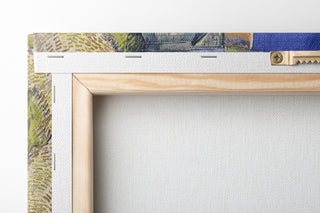
View from behind
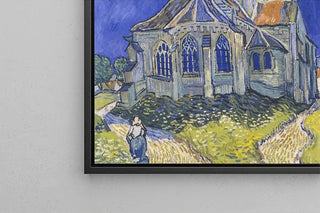
Frame (optional)
In the fascinating world of 17th-century Dutch painting, the "Art print of Loef Vredericx 1590-1668 as sign" by Thomas de Keyser stands out for its elegance and depth. This piece, which transcends a simple portrait to become a true showcase of the identity and values of its time, invites us to delve into a world where art blends seamlessly with everyday life. Through this representation, the artist manages to capture not only the physical features of his subject but also his social status and character, offering a window into Dutch society of the era.
Style and uniqueness of the work
Thomas de Keyser's style is characterized by impressive technical mastery, combined with a particular sensitivity to the depiction of textures and lights. In this portrait, the subtly nuanced color palette evokes an atmosphere that is both warm and solemn. The meticulous details of Loef Vredericx's costume, as well as the precision of facial features, testify to a realism characteristic of Baroque art. Keyser, as a portraitist, knows how to play with shadows and lights to bring his subjects to life, making them almost tangible. This painting stands out for its innovative approach, where the artist does not merely reproduce the appearance of his model but seeks to capture their very essence, creating a work that resonates far beyond its time.
The artist and his influence
Thomas de Keyser, an emblematic figure of Dutch painting, established himself in a vibrant artistic environment. Trained in his father's workshop, he developed a style that combines Flemish tradition with Italian influences, enriching the artistic landscape of his era. Keyser surrounded himself with numerous patrons, which allowed him to produce a large number of portraits that reflect the richness and diversity of Dutch society. His influence extends beyond his personal work, inspiring many contemporary and future artists. Through his portraits, he contributed
Painting Portrait of Loef Vredericx 1590-1668 as a sign - Thomas de Keyser | Art print

-10% FROM €95 IN PURCHASES
-15% FROM €195 IN PURCHASES
Regular price
- Unit price
- per
Tax included.
Free shipping
€4.90 / Free shipping on orders over €39
Satisfied or Money Back
Free returns within 30 days
10-year warranty
Our prints are guaranteed for 10 years
Any questions? We are here!
by email to contact@artemlegrand.com
THE STEPS OF YOUR ORDER

STEP 1 - ORDER PLACED
Your order has been confirmed and we are starting production
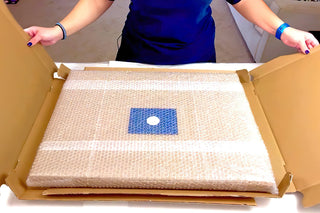
STEP 2 - SHIPPING
We ship your order. We send you an email to track the progress

STEP 3 - DELIVERY
You receive your order. You can also, according to your choice, be delivered to a relay point.
Matte finish
View from behind
Frame (optional)
In the fascinating world of 17th-century Dutch painting, the "Art print of Loef Vredericx 1590-1668 as sign" by Thomas de Keyser stands out for its elegance and depth. This piece, which transcends a simple portrait to become a true showcase of the identity and values of its time, invites us to delve into a world where art blends seamlessly with everyday life. Through this representation, the artist manages to capture not only the physical features of his subject but also his social status and character, offering a window into Dutch society of the era.
Style and uniqueness of the work
Thomas de Keyser's style is characterized by impressive technical mastery, combined with a particular sensitivity to the depiction of textures and lights. In this portrait, the subtly nuanced color palette evokes an atmosphere that is both warm and solemn. The meticulous details of Loef Vredericx's costume, as well as the precision of facial features, testify to a realism characteristic of Baroque art. Keyser, as a portraitist, knows how to play with shadows and lights to bring his subjects to life, making them almost tangible. This painting stands out for its innovative approach, where the artist does not merely reproduce the appearance of his model but seeks to capture their very essence, creating a work that resonates far beyond its time.
The artist and his influence
Thomas de Keyser, an emblematic figure of Dutch painting, established himself in a vibrant artistic environment. Trained in his father's workshop, he developed a style that combines Flemish tradition with Italian influences, enriching the artistic landscape of his era. Keyser surrounded himself with numerous patrons, which allowed him to produce a large number of portraits that reflect the richness and diversity of Dutch society. His influence extends beyond his personal work, inspiring many contemporary and future artists. Through his portraits, he contributed
12,34 €